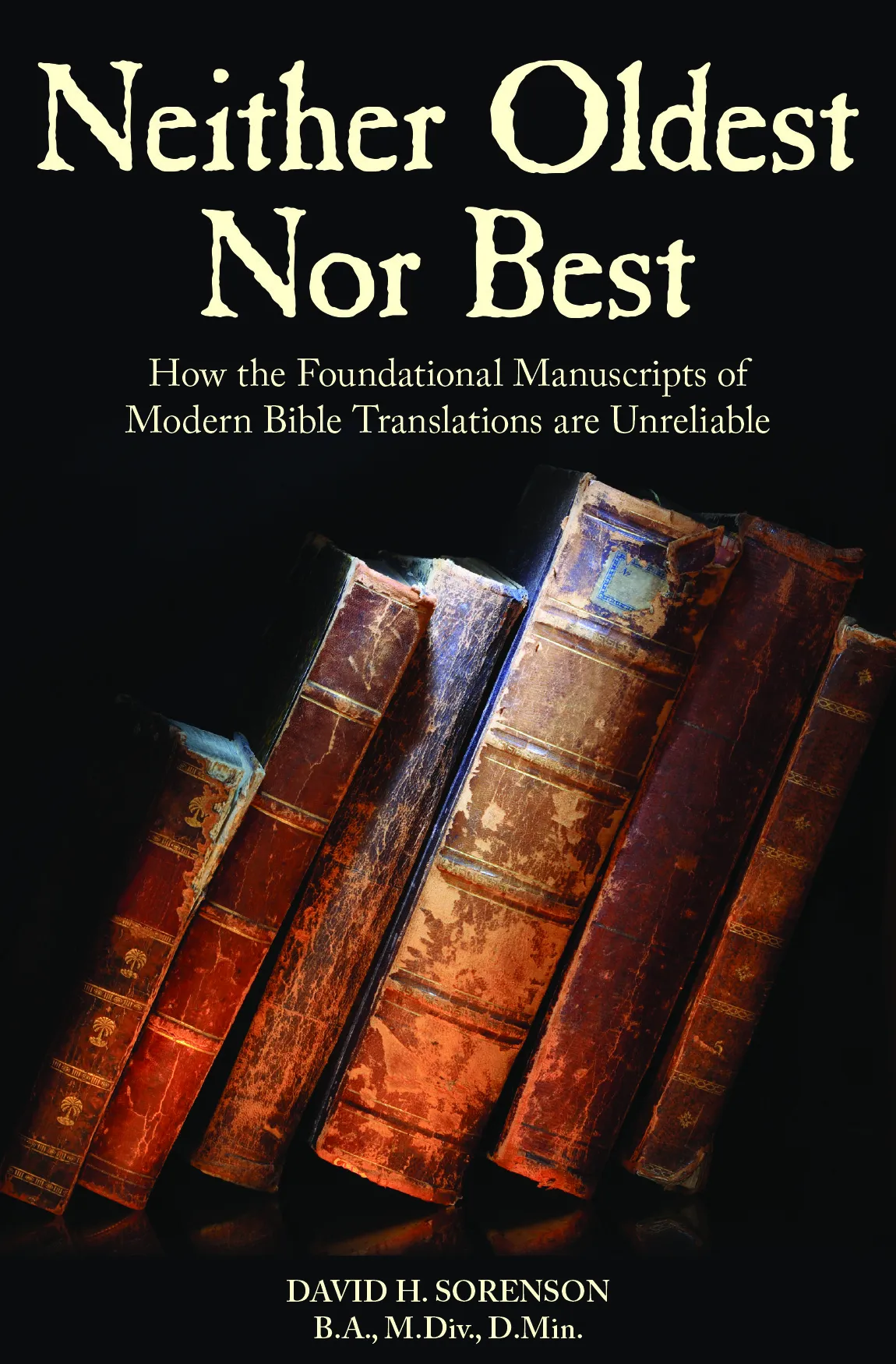

Walk into most seminary bookstores and you will hear the same line about Codex Sinaiticus and Codex Vaticanus: they are the oldest complete Bible manuscripts, so they must be the most reliable. That claim shows up in footnotes, in Bible college lectures, and in the marketing copy for nearly every modern translation. Few readers ever stop to check whether "oldest" and "best" actually mean the same thing, or whether the dating itself holds up.
Here is a short, usable process for testing claims like that instead of taking them on faith.
Step 1: Separate the claim of age from the claim of quality
"Oldest" is a dating question. "Best" is a quality question. Publishers routinely fold the two together, and once a reader accepts that a manuscript is old, the leap to trusting its readings feels automatic. It should not be automatic. A manuscript can be old and still contain scribal errors, deliberate edits, or theological tampering. Age tells you when something was written. It tells you nothing about whether the person who wrote it got it right.
Step 2: Ask who actually dated the manuscript, and how
Most manuscript dating in this field relies on paleography, meaning handwriting style compared against other samples. That method carries a wide margin of error, often spanning a century or more. Few casual readers know this. They assume manuscript dates come from something as precise as carbon testing, when in practice they often come from a scholar's judgment call about letterforms.
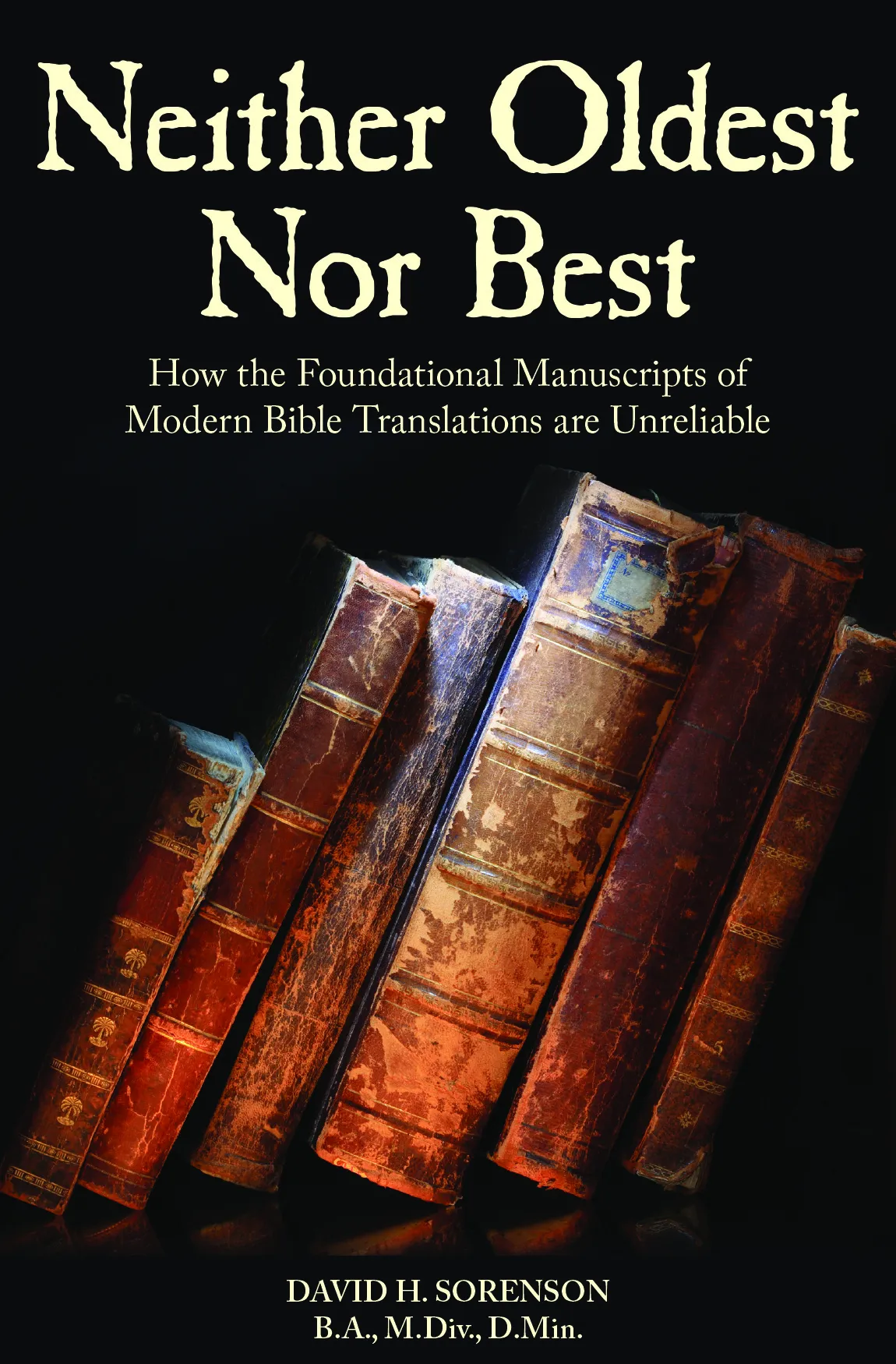
This is exactly the kind of gap a careful researcher should press on. One book that presses on it directly is Neither Oldest Nor Best, which lays out evidence that Codex Sinaiticus and Codex Vaticanus are not nearly as ancient as commonly claimed, arguing instead for a much later production date tied to specific 19th century figures and circumstances. Three scholars holding PhDs have endorsed the case it builds.
Step 3: Check whether the manuscript's history is fully documented
A manuscript with a continuous, traceable history from its claimed origin to today is easier to trust than one that appears suddenly with no paper trail. Gaps in provenance are not proof of forgery by themselves, but they are a legitimate reason to slow down and ask harder questions before repeating a textbook claim as settled fact.
Step 4: Read the counterargument before repeating the consensus
Most people repeat "oldest and most reliable" because it is what they were told, not because they examined the argument themselves. Reading a dissenting case, even one you end up disagreeing with, forces you to understand why the mainstream position holds the ground it holds. That is a healthier way to reach a conclusion than absorbing a claim secondhand from a textbook footnote.
Step 5: Ground your study in a commentary that shows its work
Once the manuscript question is settled in your own mind, the next practical step is choosing a commentary that treats the text seriously rather than assuming the reader already agrees with every modern critical decision. This matters more than most Bible students realize, because a commentary's underlying text assumptions shape every note it writes.
Readers who want a King James, Received Text based resource for personal study often land on an independent baptist commentary built specifically around that textual tradition. The Understanding the Bible commentary set fits that description directly. Written by Dr. David Sorenson after reading through the Bible more than 200 times in preparation, it covers Genesis through Revelation in a dispensational, premillennial framework, with a concise style aimed at pastors, students, and laypeople rather than academics alone. You can review the full independent Baptist commentary and its scope directly from the publisher.
Step 6: Hold your conclusions with the right amount of confidence
None of this means throwing out careful scholarship or assuming every mainstream position is wrong. It means treating "oldest" and "best" as two separate claims, checking how a date was actually established, and choosing study resources that show their reasoning instead of hiding it behind assumed authority. That habit serves a Bible student well far beyond this one manuscript debate.
Frequently Asked Questions
Does an older manuscript automatically mean a more accurate one?
Not necessarily. Age indicates when a document was produced, not whether its text is free of copying errors or intentional changes. Quality and age are separate questions that deserve separate evaluation.
How precise is manuscript dating in general?
Paleographic dating, which compares handwriting styles, typically carries a margin of error of decades to a century. It is a useful tool, but it is an estimate rather than a fixed measurement.
What is the main argument in Neither Oldest Nor Best?
The book argues that Codex Sinaiticus and Codex Vaticanus are considerably younger than the commonly cited 4th century dating, and it lays out historical and physical evidence supporting a much later production window.
What does "Received Text based" mean for a commentary?
It means the commentary follows the traditional Greek text underlying the King James Version, rather than the Critical Text used as the basis for most modern translations.
Who is the Understanding the Bible commentary written for?
It targets pastors, missionaries, Sunday school teachers, Christian school teachers, homeschoolers, and any serious student of Scripture, without requiring an academic background.
How large is the Understanding the Bible commentary set?
The full set runs 8,368 pages across 11 hardbound volumes, and it is also available as a flash drive or PDF download.
Is it reasonable for a lay reader to question manuscript scholarship at all?
Yes. Reasoned questions supported by documented evidence are a normal part of study, not a rejection of scholarship itself. The goal is an informed conclusion, not blind trust in either direction.




















Sign in to leave a comment.