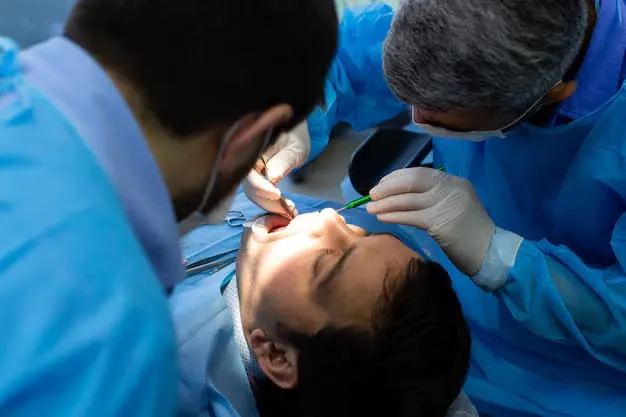

Some dental conditions require more advanced care than routine examinations and general treatments can provide. Complex tooth removal, jaw related concerns, dental implant placement, and certain oral conditions may require specialized knowledge and surgical skills. Oral Surgeons are trained to manage procedures involving the teeth, gums, jaw, and surrounding oral structures. Their role can extend beyond performing surgery, as they also evaluate complex conditions, develop treatment plans, manage recovery, and coordinate care when additional dental or medical support is necessary for successful outcomes.
Understanding the Role of Oral Surgeons
Specialized Dental Training
Oral surgeons receive specialized education and clinical training focused on surgical procedures involving the mouth, jaw, and facial structures. Their training allows them to manage cases that may be more complicated than those typically handled during routine dental care. They evaluate a patient's dental condition, medical history, imaging results, and individual treatment needs before recommending a procedure. This comprehensive approach helps determine the safest and most appropriate course of care. Patients may be referred to an oral surgeon when a dental problem requires advanced surgical assessment or treatment.
Comprehensive Treatment Planning
Complex dental procedures require careful planning before treatment begins. An oral surgeon may review dental images, examine the affected area, and consider factors such as bone structure, tooth position, existing dental conditions, and overall health. This information helps create an individualized treatment plan. Patients can also receive information about the procedure, expected recovery, potential risks, and aftercare requirements. Careful planning can improve treatment organization and help patients understand what to expect before, during, and after an oral surgical procedure.
Common Procedures Managed by Oral Surgeons
Complex Tooth Extractions
Some teeth can be difficult to remove because of their position, shape, roots, or surrounding bone. Wisdom teeth are a common example, particularly when they are impacted or lack sufficient space to erupt properly. Oral surgeons can evaluate these cases and determine the safest extraction approach. Advanced imaging may be used when necessary to understand the tooth's relationship with nearby structures. Proper surgical planning can help reduce complications and support an appropriate recovery following the extraction.
Dental Implant Procedures
Dental implants can replace missing teeth and help restore chewing ability and appearance. Implant treatment may involve several stages, including evaluation of the jawbone, placement of the implant, healing, and restoration with an artificial tooth. Oral surgeons may perform the surgical portion of implant treatment when advanced expertise is required. In cases where the jawbone lacks sufficient volume, additional procedures may sometimes be considered. Each patient's anatomy and treatment goals influence the recommended approach, making a detailed evaluation important before implant surgery.
Bone Grafting Procedures
Adequate bone support can be important for certain dental implant procedures. When bone volume has been reduced because of tooth loss, infection, trauma, or other factors, an oral surgeon may evaluate whether bone grafting could help. The procedure involves placing suitable grafting material in an area where additional bone support is needed. Healing takes time, and the treatment timeline varies depending on the patient's individual condition. Careful evaluation allows the surgeon to determine whether grafting is appropriate and how it may fit into the overall treatment plan.
Managing Impacted Teeth
Impacted teeth are teeth that cannot erupt normally because another tooth, bone, or soft tissue blocks their path. Wisdom teeth are frequently affected, although other teeth can also become impacted. An oral surgeon can use clinical examination and imaging to determine the tooth's position and evaluate potential effects on neighboring structures. Treatment may involve monitoring or surgical removal depending on the circumstances. Addressing problematic impacted teeth can help reduce risks associated with infection, damage to adjacent teeth, discomfort, or other complications.
Supporting Patients During Oral Surgery
Preparing for Treatment
Preparation can help patients approach oral surgery with greater confidence. Before treatment, an oral surgeon may provide instructions regarding eating, medications, transportation, and other practical considerations. Patients should disclose relevant medications, allergies, and health information so the surgical team can plan appropriately. Understanding the procedure and recovery instructions can also help patients prepare their homes and schedules for the healing period. Following preoperative instructions carefully can contribute to a smoother experience and help reduce avoidable complications.
Managing Comfort During Procedures
Oral surgeons can use different approaches to help patients remain comfortable during surgical treatment. Depending on the procedure and individual needs, local anesthesia, sedation, or other appropriate techniques may be considered. The selected approach depends on factors such as treatment complexity, patient comfort, medical history, and professional assessment. Patients should discuss concerns about discomfort or anxiety before treatment. Clear communication allows the surgical team to select an appropriate approach and explain what the patient may experience during the procedure.
Recovery and Aftercare
Recovery instructions vary depending on the type of oral surgery performed. Patients may receive guidance regarding food choices, oral hygiene, physical activity, medications, and follow up appointments. Swelling or mild discomfort can occur after some procedures, and following the recommended aftercare instructions can support healing. Patients should avoid activities that could disturb the surgical area and should contact their dental professional if unusual symptoms develop. Keeping follow up appointments allows healing to be monitored and gives the surgical team an opportunity to address concerns promptly.
When a Referral May Be Appropriate
A general dental professional may recommend an oral surgeon when a patient's condition requires specialized surgical expertise. Referral may be considered for complicated extractions, impacted teeth, dental implant surgery, jaw conditions, significant oral injuries, or other complex concerns. The decision depends on the patient's individual circumstances and the complexity of treatment required. A referral does not necessarily indicate that a condition is severe. Instead, it can provide access to specialized skills and technology that may be beneficial for achieving a safe and predictable treatment outcome.
Conclusion
Oral surgeons play an important role in managing complex dental conditions that require specialized surgical knowledge and careful treatment planning. From difficult extractions and impacted teeth to dental implants and bone related procedures, their expertise can support patients with a wide range of oral health needs. With professional guidance from Clove Dental Sherman Oaks, patients can receive appropriate evaluation and understand when specialized surgical care may be beneficial. Early assessment, clear communication, careful preparation, and proper aftercare can all contribute to a smoother treatment experience and better long term oral health.





























Sign in to leave a comment.