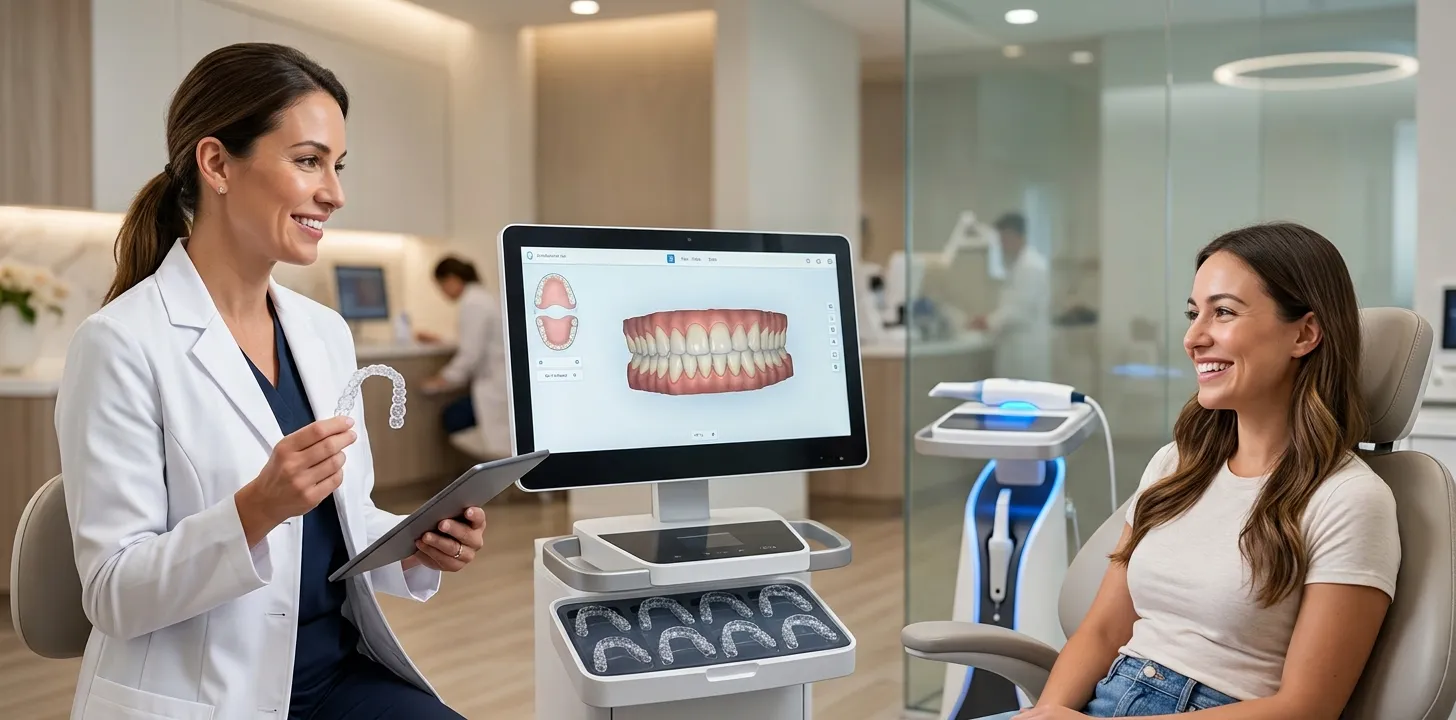

Orthodontic practices constantly evolve as technology advances and patient expectations shift. Years ago, traditional metal brackets were the default recommendation for almost every bite issue or misalignment case. Today, prospective patients enter clinics asking specifically for discreet, comfortable, and removable options that fit seamlessly into their daily lives.
Integrating modern alignment systems allows clinicians to broaden their scope of care while keeping pace with current demand. By incorporating modern Clear Aligners into standard practice workflows, orthodontists can cater to lifestyle-conscious patients without sacrificing precision or control.
The Evolution of Orthodontic Patient Expectations
Patient priorities have undergone a noticeable shift over the past decade. While adults historically avoided orthodontic treatment due to the aesthetic impact of metal wires, today’s adult demographic represents one of the fastest-growing patient segments. Teenagers are similarly seeking alternatives that do not interfere with sports, musical instruments, or social events.
- Aesthetic concerns: Patients prefer virtually invisible options that do not draw attention during professional or social interactions.
- Dietary freedom: Removable trays eliminate the long list of food restrictions traditionally associated with fixed appliances.
- Hygiene management: Standard brushing and flossing routines remain largely unchanged since appliances can be taken out during cleaning.
- Predictable timelines: Digital planning software offers clear visualizations of progress before treatment even begins.
Meeting these expectations requires clinics to offer versatile solutions that address aesthetic desires alongside clinical necessity.
Expanding Clinical Scope Across Diverse Patient Demographics
Offering digital alignment solutions opens doors to patient demographics that might otherwise pass on corrective care. Many working professionals avoid traditional braces due to public speaking requirements or workplace appearance standards. Similarly, older adults looking to correct minor relapse from childhood treatment often seek minimal disruption.
Beyond aesthetic preference, introducing removable options allows clinicians to tailor treatment plans to varying patient commitments. Patients who travel frequently or attend university out of state benefit from virtual check-ins and multi-stage tray delivery schedules. By adapting treatment formats to fit real-world schedules, practices increase case acceptance and patient satisfaction with modern teeth aligners.
Key Operational Considerations for Implementing Clear Aligners
Transitioning or expanding an alignment service line requires careful preparation within the practice. Adding removable appliances is not simply a matter of ordering trays; it involves refining diagnostics, staff training, and clinical workflows.
1. Digital Impression and Scanning Infrastructure
Investing in intraoral scanners eliminates messy traditional alginate impressions while improving patient comfort. High-definition 3D scans create a precise digital foundation for tray fabrication, reducing seating errors and fit adjustments down the road.
2. Treatment Planning and Staging Software
Orthodontists must master digital staging software to control tooth movement sequences. Understanding biomechanical limits in digital space ensures that planned movements translate effectively into clinical reality.
3. Team Education and Chairside Support
Clinical staff must be well-versed in attachment placement, interproximal reduction (IPR) techniques, and tracking troubleshooting. A knowledgeable team can answer patient questions confidently when adjusting teeth aligners during routine progress checks.
Integrating Advanced Treatment Systems into Daily Workflow
To maintain high standards across all cases, practices need reliable manufacturing and support networks. Working with established system providers allows clinicians to manage both straightforward alignment cases and more complex malocclusions with predictability.
When selecting partner systems, practices often evaluate manufacturing precision, material flexibility, and software responsiveness. Incorporating options like [Angel Aligner] gives orthodontic clinics access to specialized materials and customizable staging protocols designed for varied case complexities. Having access to versatile product lines allows doctors to customize force delivery based on specific tooth movements rather than relying on a single, rigid protocol.
Professional orthodontic platforms empower practitioners to design multi-phase treatment strategies. By pairing advanced digital software with clinician oversight, practices maintain full control over bracketless treatment outcomes while streamlining chair time.
Clinical Protocols: Addressing Complex Cases with Clear Aligners
While early alignment trays were reserved primarily for minor cosmetic crowding, modern materials and auxiliary features allow clinicians to tackle moderate to severe malocclusions. Achieving successful outcomes in complex cases relies on combining clear trays with complementary orthodontic techniques.
- Precision attachments: Tooth-colored composite shapes placed on specific teeth provide necessary leverage for rotations and extrusions.
- Elastics and buttons: Incorporating Class II or Class III elastics aids in sagittal correction alongside tray wear.
- Interproximal reduction (IPR): Strategic enamel slimming creates necessary space without requiring tooth extractions.
- Sequential distalization: Moving posterior teeth individually allows for arch expansion and space creation in crowded arches.
By applying biomechanical principles to digital software planning, clinicians can safely treat deep bites, open bites, and moderate crossbites using custom teeth aligners.
Strategic Patient Education and Consultations
Clear communication during initial consultations sets the foundation for successful treatment outcomes. Patients often come in with misconceptions formed by direct-to-consumer advertising or social media trends.
Clarifying the Doctor-Led Difference
Practices must emphasize that successful tooth movement relies on comprehensive clinical diagnosis, x-rays, and root assessment—not just the physical plastic trays. Explaining the value of professional supervision builds trust and justifies practice-led care over unmonitored mail-order alternatives.
Setting Realistic Compliance Expectations
Because removable appliances depend entirely on patient discipline, compliance must be addressed up front. Patients need to understand that trays must be worn 20 to 22 hours daily for teeth to move according to plan.
Demonstrating Visual Treatment Plans
Utilizing 3D setup software during consultations allows prospective patients to visualize their step-by-step progress. Seeing the projected final result helps patients appreciate the treatment timeline and reinforces commitment to compliance.
Maintaining Long-Term Clinical Outcomes
Achieving a straight smile is only half the battle; maintaining stability requires structured retention protocols. Orthodontists must incorporate retention planning into the initial treatment discussion to ensure long-term success.
- Immediate post-treatment retention: Providing custom clear retainers immediately upon completing the final active stage prevents rapid relapse.
- Fixed lingual wires: Bonded retention wires on lower anterior teeth offer continuous support for high-risk movement areas.
- Routine recall visits: Scheduling periodic retention checks allows clinicians to monitor stability and replace worn retainers before shifting occurs.
- Hygiene monitoring: Ensuring patients clean retainers regularly prevents plaque accumulation and protects enamel health long after active treatment ends.
Common Pitfalls to Avoid in Clear Aligner Therapy
Expanding clear tray services requires ongoing vigilance to avoid common clinical and operational mistakes. Understanding where processes break down helps practices refine their approach.
- Underestimating compliance issues: Overlooking early signs of non-compliance can lead to tracking loss, requiring unprogrammed refinements and extra chair time.
- Over-relying on automated software: Accepting initial software-generated setups without clinician modifications often leads to unrealistic movement expectations.
- Inadequate attachment placement: Poorly bonded or worn attachments reduce mechanical leverage, causing specific teeth to fall behind schedule.
- Neglecting soft tissue health: Proceeding with alignment before resolving underlying periodontal inflammation risks bone loss and tissue recession.
- Rushing interproximal reduction: Performing IPR prematurely or inaccurately can create uneven spaces or alter arch form negatively.
Addressing these operational details early ensures predictable results and maintains high patient satisfaction across all case types.
Long-Term Practice Growth and Value Creation
Adding versatile tooth movement options yields benefit well beyond immediate revenue. Practices that offer comprehensive, modern orthodontic choices build stronger reputations within their local communities. Satisfied patients frequently refer family members and colleagues, creating a sustainable internal referral network.
Furthermore, offering discreet teeth aligners strengthens relationships with general dental practitioners. Local dentists are more likely to refer patients who express hesitation about traditional brackets when they know the receiving specialist offers advanced removable options. Over time, expanding clinical options with Clear Aligners elevates practice versatility, improves patient retention, and positions the clinic as a forward-thinking healthcare provider.
Frequently Asked Questions
Can clear aligners treat severe bite issues?
Yes, when combined with precision attachments, buttons, and elastics, modern tray systems can treat a wide variety of moderate to severe bite issues. Clinical success depends on proper diagnosis and digital staging by an experienced practitioner.
How do doctors ensure patients wear their aligners as instructed?
Clinicians track progress during regular check-ins to confirm teeth are matching the planned digital stage. Many modern trays also include discrete compliance indicators that fade with proper wear.
What happens if a tooth stops tracking during treatment?
If a tooth falls behind the planned movement, the orthodontist takes a new digital scan to create mid-course refinement trays. This resets the trajectory and ensures treatment stays on path.
How long does typical treatment take with teeth aligners compared to braces?
Treatment length varies depending on case complexity, but overall timelines are generally comparable to traditional brackets. Minor cases may take 6 to 12 months, while complex bite corrections may require 18 to 24 months.
Are digital scanners required to offer alignment trays?
While physical impressions can still be used, digital intraoral scanners significantly improve accuracy, reduce turn-around time, and enhance patient comfort during the initial setup phase.
Conclusion
Expanding an orthodontic practice allows clinicians to meet modern patient demands while delivering high-level orthodontic care. By combining advanced digital planning, proper staff training, and robust retention protocols, practices can broaden their clinical capabilities effectively. Introducing versatile options into treatment menus ensures that practices remain competitive, adaptable, and fully equipped to deliver exceptional smiles to diverse patient populations.




















Sign in to leave a comment.