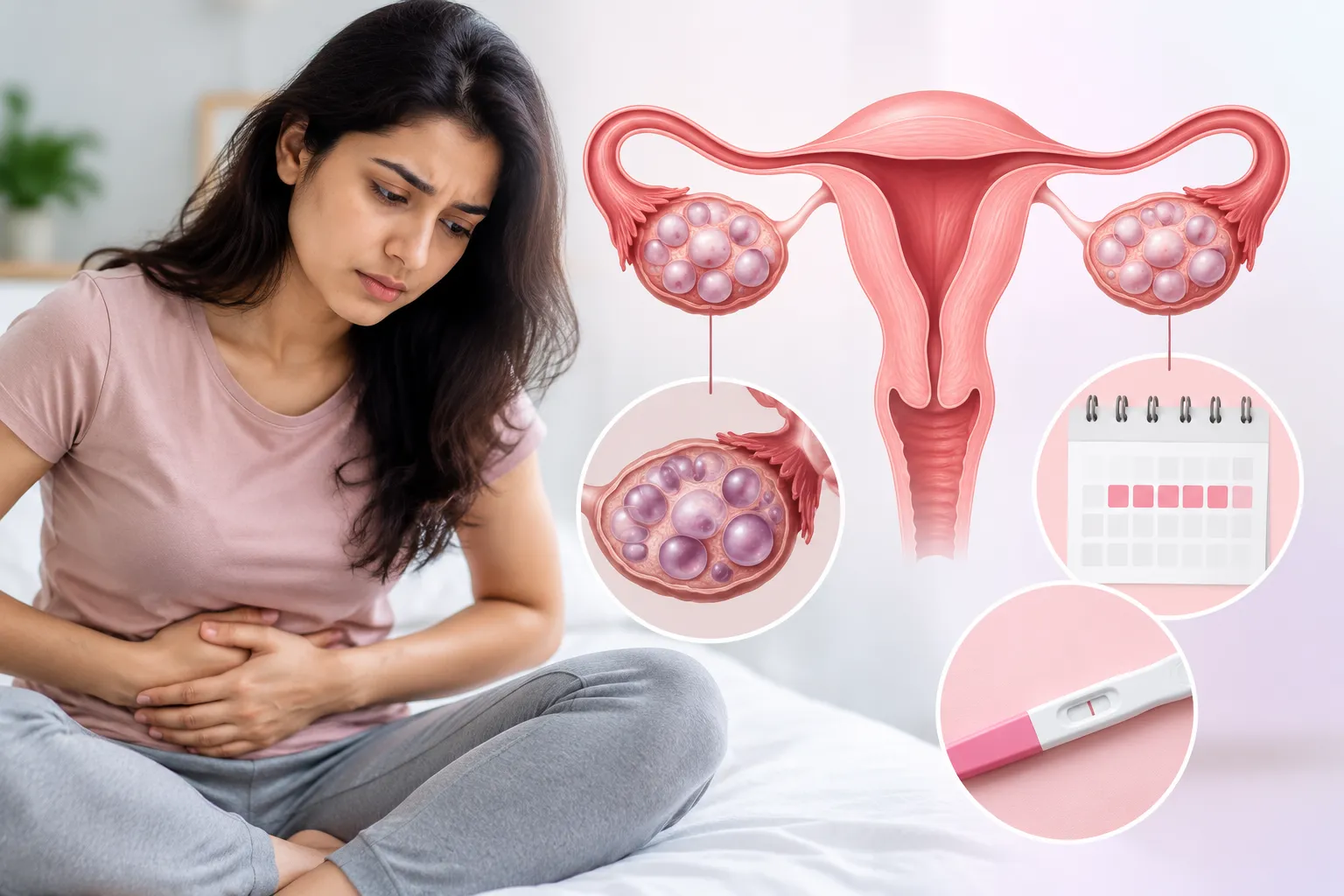

Polycystic ovary syndrome (PCOS) is a common hormonal condition that can affect women during their reproductive years. It may influence menstrual cycles, ovulation and fertility, while some women may also experience symptoms such as acne, excess hair growth or changes in weight. Understanding how PCOS affects reproductive health can help women recognise symptoms early and seek appropriate medical guidance.
How Does PCOS Affect Your Menstrual Cycle?
One of the most common effects of PCOS is an irregular menstrual cycle. Normally, ovulation occurs regularly as part of the menstrual cycle. With PCOS, hormonal changes can interfere with ovulation, causing periods to become irregular, delayed or occasionally absent.
Some women with PCOS may have fewer periods each year, while others may experience unpredictable bleeding. These changes can occur because the ovaries may not release an egg regularly. If ovulation does not occur consistently, the menstrual cycle can become difficult to predict.
Irregular periods should not always be assumed to be caused by PCOS, as other hormonal or medical conditions can also affect menstruation. A healthcare professional can assess your symptoms and recommend appropriate tests when necessary.
PCOS and Ovulation
Ovulation is the process in which an ovary releases an egg. It is an important part of the reproductive process because conception generally requires an egg to be available for fertilisation.
PCOS can interfere with regular ovulation. Hormonal imbalances may prevent an egg from developing or being released normally. As a result, some women with PCOS may find it more difficult to predict their fertile days.
However, having PCOS does not mean that pregnancy is impossible. Many women with PCOS can conceive with appropriate medical guidance and, when required, fertility treatment.
How Can PCOS Affect Fertility?
Because PCOS can affect ovulation, it is one of the factors that may contribute to difficulty conceiving. Irregular or absent ovulation can reduce the number of opportunities for natural conception.
Other factors can also influence fertility, including age, ovarian reserve, sperm health, fallopian tube health and other medical conditions. Therefore, fertility concerns should be evaluated comprehensively rather than attributed to PCOS alone.
If you have irregular periods and are planning a pregnancy, consulting a PCOS doctor in Ahmedabad can help you understand your symptoms and available treatment options.
When Should You Consult a Doctor?
Consider speaking with a doctor if you regularly experience very irregular periods, prolonged gaps between periods, difficulty conceiving, excessive hair growth, persistent acne or unexplained changes in weight.
A doctor may review your medical history, menstrual pattern and symptoms and may recommend examinations or tests to understand the underlying cause. Early evaluation can help identify hormonal concerns and support appropriate management.
Managing PCOS for Better Reproductive Health
PCOS management depends on your symptoms, health needs and reproductive goals. Depending on the individual situation, management may include lifestyle changes, medicines to regulate periods or treatment to support ovulation and fertility.
Maintaining regular physical activity, following a balanced diet, getting adequate sleep and managing stress may also form part of a broader PCOS management plan. These measures should complement, rather than replace, personalised medical advice.
Take the Right Step for Your Health
PCOS can affect menstrual regularity and ovulation, but its impact varies from woman to woman. With proper evaluation and ongoing care, many women can effectively manage their symptoms and address fertility concerns.
If you are experiencing irregular periods or have concerns about PCOS and fertility, Sunshine Women’s Hospital offers women’s healthcare services with a focus on personalised evaluation and treatment. Consulting a qualified specialist can help you understand your condition and choose appropriate next steps based on your individual health and pregnancy goals.






















Sign in to leave a comment.