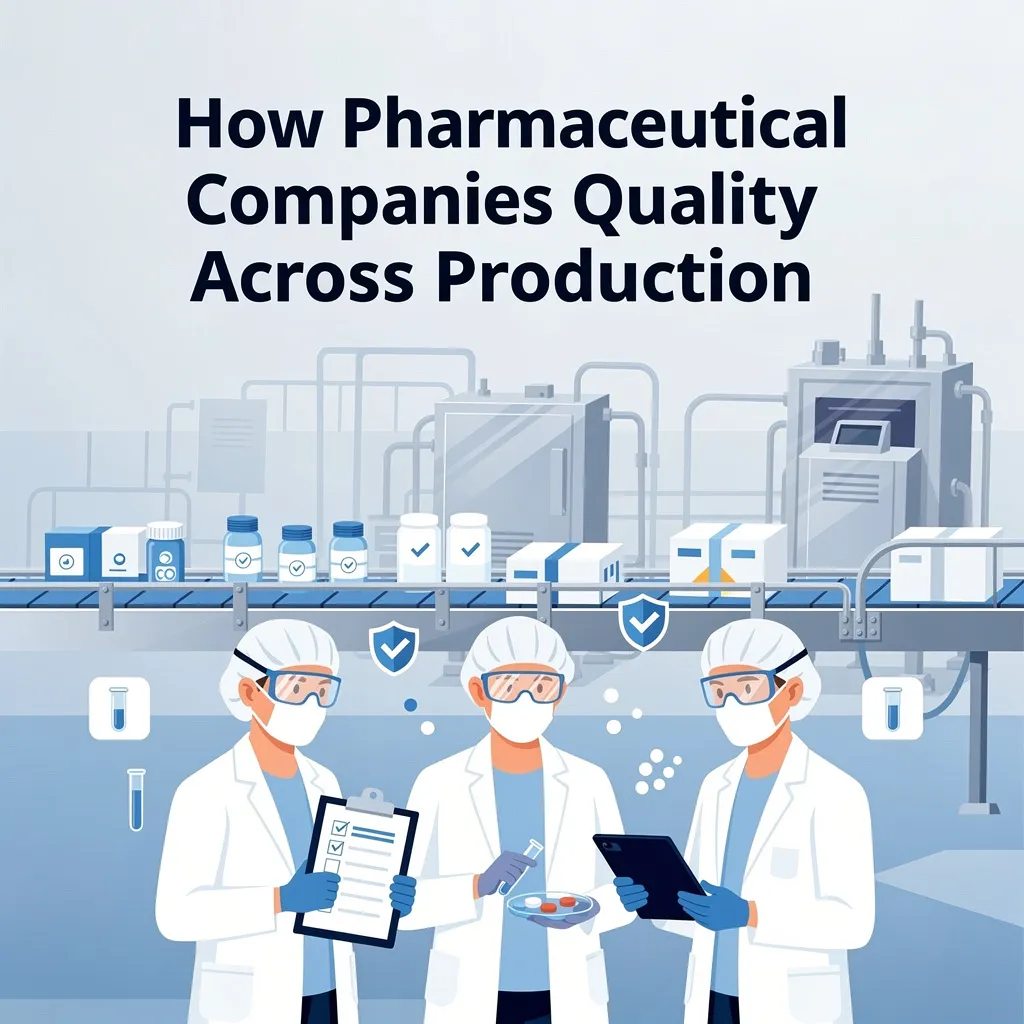

Making medicines is not a small task. Every tablet, capsule, or ointment that reaches a patient goes through a long journey before it is considered safe to use. Pharmaceutical companies follow strict processes at every stage of production to make sure the final product works the way it should and does not cause harm. This is not just about following rules. It is about protecting the people who trust these medicines with their health.
It Starts With Raw Materials
Quality control does not begin on the production line. It begins even before that, with the raw materials used to make a medicine. Companies test every batch of raw material that enters their facility. They check for purity, strength, and any signs of contamination. If even one ingredient does not meet the required standard, the entire batch can be rejected. This early checking saves a lot of trouble later and makes sure only clean, tested materials move forward into manufacturing.
Following Good Manufacturing Practices
Most pharmaceutical companies work under a set of guidelines known as Good Manufacturing Practices, or GMP. These guidelines cover almost everything, from how clean the manufacturing area should be to how workers should be trained and how equipment should be maintained. GMP is not just a formality. It is a working system that keeps production consistent every single time. When a company follows GMP properly, it becomes easier to trust that a medicine made today will be just as safe and effective as one made six months ago.
Testing at Every Stage
Quality checks do not stop after the raw material stage. They continue throughout the entire manufacturing process. In-process testing is done while the product is still being made, not just at the end. This helps catch any issue early, before it becomes a bigger problem. Once the product is ready, it goes through final testing as well. This includes checking things like dissolution rate, weight, strength, and packaging accuracy. Only after passing all these checks does a product move toward the market.
The Role of Skilled Teams
Behind every quality system are people who understand the science and the responsibility that comes with it. Quality assurance and quality control teams work closely with production staff to make sure nothing is missed. These teams are trained to spot even small deviations that might affect the safety of a product. Their work is detailed and often repetitive, but it plays a huge role in keeping medicines reliable. A company that invests in skilled people usually ends up with fewer errors and a stronger reputation.
Why Consistency Matters So Much
One thing that sets good pharmaceutical companies apart is consistency. A patient using a medicine for a chronic condition needs to know that every refill will work the same way as the last one. This is especially true for prescription dermatology products, where even small changes in formulation can affect how the skin responds to treatment. Consistency is not just a quality goal. It is something patients depend on every single day.
Choosing the Right Partner Matters
For businesses looking to enter the pharma or derma space, choosing the right manufacturing partner can make or break the venture. This is where working with a trusted name becomes important. Many franchise owners and distributors look for the best pharma partner in India when they want assurance that products will meet high standards without compromise. A reliable partner does not just supply products. It supports the business with proper documentation, timely delivery, and transparency about how each product is made and tested.
Regular Audits Keep Standards High
Quality does not stay high on its own. It needs to be checked and rechecked. Internal audits are conducted regularly to review whether every department is following the required standards. External audits from regulatory bodies also play a big part in this. These audits are not meant to catch companies making mistakes for the sake of punishment. They exist to make sure standards are being followed consistently and that any gaps are corrected quickly.
Packaging and Storage Also Count
Quality does not end once a product is manufactured. How a product is packaged and stored also affects its safety and effectiveness. Poor packaging can expose medicines to moisture, light, or contamination, which can reduce their shelf life or make them unsafe. Companies invest in proper packaging materials and storage conditions to protect the product all the way until it reaches the patient.
A Continuous Commitment
Maintaining quality in pharmaceutical production is not a one-time effort. It is a continuous commitment that runs through every department and every stage of the process. From raw material testing to final packaging, each step is designed to protect the end user. Companies that take this seriously build long-term trust, both with patients and with business partners who rely on them for consistent, safe products.
In the end, quality is what separates a good pharmaceutical company from an average one. It shows up in the smallest details, from how a raw material is tested to how a finished product is packaged and delivered. For anyone connected to this industry, whether as a manufacturer, distributor, or franchise partner, understanding this process builds confidence in the products being offered to patients every day.
































Sign in to leave a comment.