How Picosecond Pulsed Lasers Work for Pigment and Skin Treatments

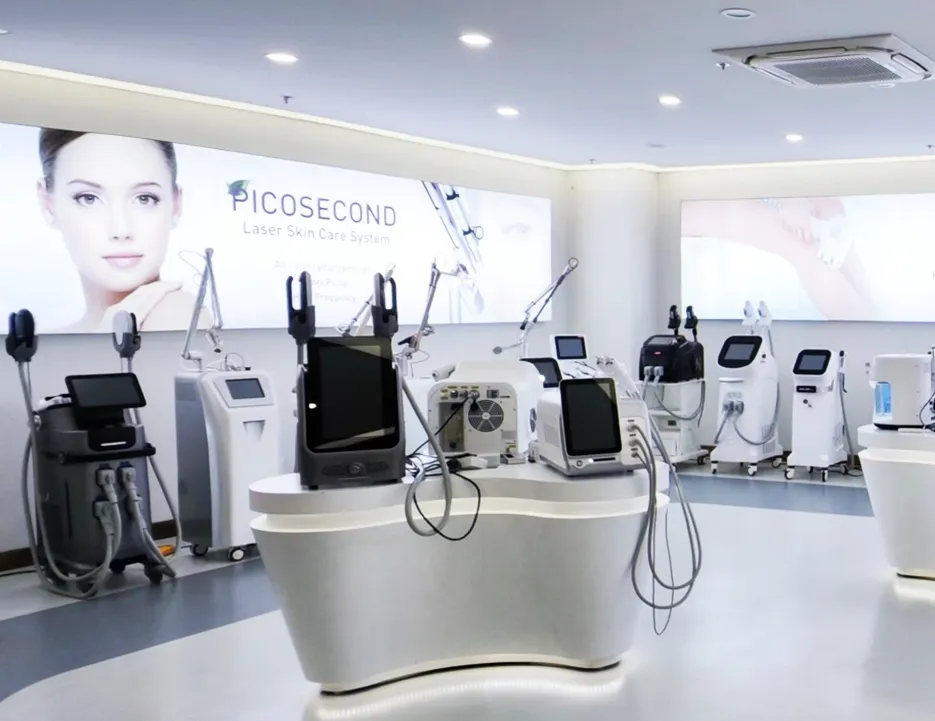
Picosecond pulsed lasers work for pigment and skin treatments by delivering ultra-short bursts of laser energy measured in trillionths of a second. The energy breaks down pigments by using the photoacoustic effect instead of using thermal effects. This basic principle differentiates picosecond technology from the old nanosecond technology like the Q-switched laser ND yag.
The picosecond pulsed lasers have proven to provide better results with fewer chances of damaging the surrounding tissue with heat, compared to other technologies. It is crucial for doctors and patients dealing with complex pigmentary disorders to know how this technology works in order to make the right choices.
Picosecond Technology Works Through Photoacoustics Rather Than Heat
The picosecond pulsed laseris capable of delivering energy very quickly to cause the major phenomenon to be mechanical in nature, rather than being thermal in nature. The very short pulse time creates a photoacoustic shock wave that disintegrates the pigment particles into smaller particles that are easily removed by the immune system. The surrounding tissue experiences minimal heat exposure because the energy is in and out before significant thermal transfer can occur.
Wavelength Selection Determines Which Pigment and Skin Conditions Are Treated
The wavelength selected for any picosecond treatment directly determines the depth of pigment targeted and the skin conditions most appropriately addressed. Different wavelengths penetrate to different tissue depths and are absorbed preferentially by different chromophores, making wavelength selection one of the most clinically significant decisions in picosecond laser treatment planning.
| Wavelength | Primary Target | Typical Clinical Application |
| 532 nm | Superficial epidermal pigment | Solar lentigines, lighter skin type hyperpigmentation |
| 755 nm | Epidermal and dermal pigment | Melasma, tattoo removal, mixed pigmentary disorders |
| 1064 nm | Deep dermal pigment, melanin in darker skin | Skin of colour pigmentation, lichen planus pigmentosus |
Clinical Applications Beyond Standard Pigmentation Treatments
Published clinical evidence now supports picosecond laser use across pigmentary conditions that were previously considered difficult or refractory to treatment with older nanosecond technology. Here are the pigmentary conditions where picosecond technology demonstrates clinical utility-
- Melasma and mixed melasma responding to multi-wavelength picosecond protocols
- Solar lentigines and sunspot clusters in lighter skin type patients
- Nevus of Ota and similar congenital pigmented lesions, including dermal variants
- Drug-induced hyperpigmentation including hydroxychloroquine-related skin changes
- Lichen planus pigmentosus, particularly in skin of colour patients where treatment options are limited
- Post-inflammatory hyperpigmentation following acne, inflammation, or prior laser treatment
Conclusion
Picosecond laser technology from a company like Beijing Sanhe Company represents a meaningful clinical advancement over previous-generation nanosecond systems for the treatment of complex and treatment-resistant pigmentary conditions. Photoacoustic mechanisms reduce thermal impact and offer wavelength versatility. These advantages extend clinical options beyond the Q switched laser ND yag.


Sign in to leave a comment.