

Early childhood is an important stage of learning, discovery, and development. Children learn about the world around them through everyday experiences, interactions, and most importantly, play. Choosing the right toys can make playtime more meaningful while helping children develop important skills. Play school toys and soft dolls for girls are two popular choices that can encourage creativity, imagination, communication, and social development.
Why Play School Toys Are Important
Play school toys are designed to make learning enjoyable and interactive. At an early age, children learn best when they can explore concepts through hands-on activities. Toys can introduce basic ideas such as colors, shapes, numbers, objects, and simple problem-solving in an entertaining way.
Instead of making learning feel like a task, play-based activities allow children to learn naturally. Building, sorting, arranging, matching, and pretend-play activities can keep young minds engaged while encouraging curiosity.
Encouraging Creativity and Imagination
One of the biggest benefits of play school toys is their ability to encourage creative thinking. Children can use toys in different ways and create their own games and stories. Open-ended play gives them the freedom to decide what happens next.
For example, children may turn simple toys into characters in an imaginary story or create a small pretend classroom or home. This type of play allows them to experiment with ideas and express themselves freely.
The Role of Soft Dolls for Girls
Soft dolls for girls can become much more than cuddly companions. They can encourage pretend play and help children explore everyday experiences through imagination. A child may pretend to feed, dress, comfort, or care for a doll, creating a playful version of familiar routines.
Through these activities, children can practice communication and develop their ability to express emotions. Dolls can also become characters in imaginative stories, giving children opportunities to create different situations and adventures.
Developing Social and Emotional Skills
Play provides children with opportunities to understand feelings and relationships. When playing with soft dolls for girls, children may imitate the caring behavior they see from parents, teachers, or other family members.
Pretend play can encourage empathy, patience, and kindness. Children can imagine that their doll is happy, tired, worried, or excited and respond to those emotions during play. These simple activities can support emotional understanding in an age-appropriate way.
Supporting Communication Skills
Children often talk while playing, even when they are playing alone. They may give their toys names, create conversations, or tell stories. Soft dolls for girls can therefore become useful companions for imaginative storytelling.
Similarly, play school toys can encourage children to describe objects, ask questions, follow simple instructions, and communicate their ideas. Parents and teachers can participate by asking children about their games and encouraging them to explain what they are doing.
Choosing Age-Appropriate Toys
When selecting play school toys or soft dolls for girls, parents should consider the child's age, interests, and developmental stage. Toys should be suitable for the child's abilities and comfortable to use.
For younger children, look for toys that are easy to hold and explore. As children grow, they may enjoy toys that involve more detailed pretend play, storytelling, matching, building, or problem-solving.
Safety should also be an important consideration. Parents should check the toy's construction, materials, size, and care instructions before giving it to a child.
Making Playtime More Meaningful
Parents do not need to create complicated activities to make play educational. Simple interaction can make a big difference. Parents can join children while they play with play school toys, ask questions, introduce new words, or encourage them to solve simple challenges.
With soft dolls for girls, parents can encourage storytelling by asking questions such as, “Where is the doll going?” or “What does the doll need?” These conversations can help children develop language skills while having fun.
Conclusion
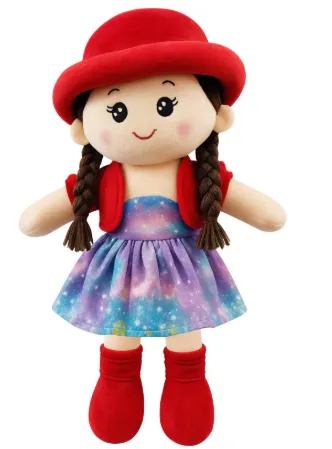
Toys play an important role in childhood by combining entertainment with opportunities for learning and discovery. Play school toys can encourage curiosity, creativity, coordination, and problem-solving, while soft dolls for girls can support pretend play, storytelling, communication, and emotional expression.
By choosing safe, age-appropriate, and engaging toys, parents can create enjoyable play experiences that help children explore their imagination and develop valuable skills naturally.






















Sign in to leave a comment.