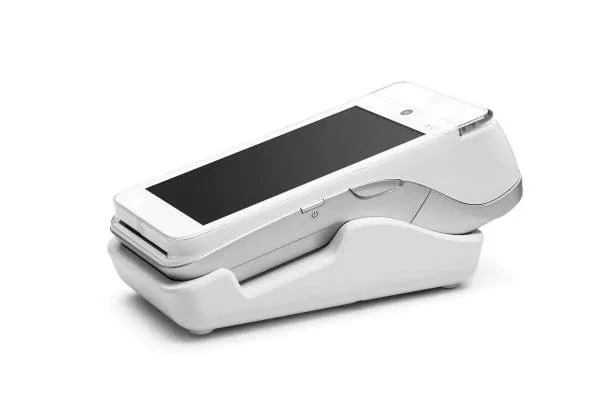

Customers expect payment to be simple, quick, and convenient wherever they choose to shop. Whether they are purchasing products in a retail store, paying for a meal, booking a service, or completing a transaction at an event, the payment process can strongly influence their overall experience. Portable card machines have become an increasingly useful solution for businesses that want to make transactions more flexible and customer friendly.
Unlike traditional fixed payment terminals that remain attached to a counter, portable card machines allow businesses to accept payments from different locations. Their mobility can help reduce unnecessary waiting, create smoother checkout experiences, and give customers more flexibility in how they complete purchases. As contactless and card payments continue to play an important role in everyday commerce, portable payment technology provides businesses with a practical way to meet changing customer expectations.
What Are Portable Card Machines?
Portable card machines are compact payment devices designed to accept card and digital payments without requiring the customer to remain at a fixed checkout point. Depending on the model and payment system, they may connect through wireless networks, Wi-Fi, Bluetooth, or mobile data.
The compact design allows staff members to carry the terminal around a business location. A restaurant employee can bring a payment terminal directly to a customer's table, while a tradesperson can accept payment at a customer's property after completing a service. Retail businesses can also use portable terminals at different points within their premises.
This flexibility makes portable card machines useful across many industries. Their primary purpose is straightforward: provide customers with a convenient way to pay wherever the transaction takes place.
Faster Payment Experiences
One of the biggest advantages of portable card machines is their ability to make payment processes more efficient. Customers generally do not want to spend unnecessary time waiting at checkout counters or moving between different areas of a business.
With a portable terminal, employees can often complete transactions directly where the customer is located. This can reduce unnecessary movement and help create a more streamlined checkout process.
For example, a restaurant can allow customers to pay at their table rather than requiring them to visit a separate payment counter. Similarly, a market seller can accept payment immediately after handing over an item.
A smoother payment process can make the final stage of a customer's interaction with a business feel more convenient and organized.
Greater Payment Convenience
Convenience is an important part of customer satisfaction. Portable card machines give customers greater flexibility because payment does not have to take place at one specific location.
A customer may be sitting at a restaurant table, standing at a service desk, waiting at an event, or meeting a professional at home. A portable payment terminal can be brought directly to them.
This approach is particularly useful for businesses that operate across different spaces. Instead of asking customers to find a checkout point, employees can bring the payment option to the customer.
The result is a payment experience designed around the customer's location rather than the limitations of a fixed terminal.
Supporting Contactless Payments
Many modern customers prefer contactless payment methods because they can be quick and straightforward. Portable card machines commonly support contactless cards and compatible digital payment options, depending on the provider and device.
Customers can simply use their preferred supported payment method at the terminal. This can reduce the amount of handling involved in a transaction and make the checkout process more convenient.
For businesses, supporting familiar payment methods can also make customers feel more comfortable when completing purchases. A payment experience that matches the methods customers already use in everyday life can contribute to a smoother transaction.
Helping Reduce Checkout Queues
Long queues can negatively affect the customer experience, particularly during busy periods. Portable card machines can help businesses process transactions in more flexible locations, which may reduce pressure on a single checkout point.
Retail stores, pop-up shops, exhibitions, and event businesses can benefit from having payment terminals available away from a traditional counter. Staff can potentially process purchases closer to customers rather than directing everyone toward one payment station.
Restaurants can also use portable terminals to complete payments at tables, helping employees manage transactions without creating additional movement around the premises.
While the exact improvement depends on the business setup, mobile payment capability can provide another way to manage customer flow during busy periods.
Creating a More Personal Service
Payment is not only a financial transaction. It is also part of the customer's interaction with a business. Portable card machines can help staff maintain a more direct and personal service throughout the purchasing process.
Consider a service professional completing work at a customer's property. Instead of asking the customer to visit another location or wait for an invoice process, the professional can provide a payment option at the end of the service.
Likewise, restaurant staff can complete payment at the customer's table while continuing to provide attentive service.
This flexibility can make the transaction feel like a natural part of the customer journey rather than a separate administrative step.
Useful for Businesses Outside Traditional Stores
Portable payment technology is especially valuable for businesses that do not operate from a conventional retail counter.
Tradespeople, delivery businesses, mobile service providers, market vendors, event operators, personal service professionals, and independent contractors may all need to accept payments away from a fixed location.
A portable card machine allows these businesses to bring their payment facility with them. This can make it easier to complete transactions immediately after a product has been delivered or a service has been provided.
For mobile businesses, the ability to accept payments at different locations can be an important part of delivering a complete customer experience.
Making Payments More Flexible at Restaurants
Restaurants are one of the clearest examples of how portable card machines can improve customer convenience. Instead of requiring customers to leave their table and approach a fixed payment point, staff can bring the terminal directly to them.
This can be particularly helpful for larger groups, families, and customers who prefer a relaxed dining experience.
Portable terminals can also give restaurant staff more flexibility when managing busy periods. Payments can be processed at tables without requiring every customer to gather around a single payment area.
The overall experience becomes more convenient because the payment process fits naturally into the dining environment.
Improving Event and Pop-Up Transactions
Events often involve temporary locations, changing customer traffic, and multiple payment areas. Portable card machines can help businesses accept payments in locations where installing a traditional fixed terminal may not be practical.
At exhibitions, fairs, markets, festivals, and temporary retail spaces, sellers can move with customers and process transactions where needed.
This flexibility can be particularly useful when customer traffic changes throughout the day. Staff can position themselves in different areas and continue accepting payments without being tied to one checkout counter.
For customers, this can mean fewer delays and more opportunities to complete purchases conveniently.
Supporting Different Customer Preferences
Every customer has their own preferred way of paying. Some people may prefer contactless cards, while others may use compatible digital wallets or traditional card payment methods.
A modern portable card machine can support several payment options, depending on its specifications and payment provider. Offering multiple choices allows customers to use a method that is familiar and convenient to them.
Payment flexibility can also be useful when customers do not have cash available. By accepting card and supported digital payments, businesses can provide an alternative way to complete purchases.
Improving the Checkout Environment
The physical checkout environment can influence how customers perceive a business. A crowded payment counter, complicated transaction process, or unnecessary waiting can make the final stage of a purchase less enjoyable.
Portable card machines can help businesses distribute payment activity across their operating space. Customers can complete transactions without always gathering around one fixed location.
This can contribute to a cleaner and more organized customer journey. Employees can also maintain better movement around the business while handling payments where they are needed.
Helping Staff Serve Customers Efficiently
Portable payment devices can benefit employees as well as customers. When staff can accept payment without returning to a fixed terminal, they may be able to complete customer interactions more efficiently.
For example, a salesperson can finalize a purchase while assisting a customer on the shop floor. A restaurant employee can complete a table's payment without leaving the dining area. A service provider can accept payment immediately after finishing work at a customer's location.
Reducing unnecessary movement can help staff focus more directly on customer service.
A Convenient Option for Small Businesses
Small businesses often need payment solutions that are practical, flexible, and easy to use. Portable card machines can provide an accessible option for businesses that do not need a large fixed checkout system.
Independent retailers, mobile professionals, market sellers, and small service businesses can use portable payment technology to accept transactions in different environments.
The ability to move the payment terminal wherever it is needed can be particularly valuable for businesses whose operations change from one day to another.
Supporting a Modern Customer Journey
Customers increasingly expect businesses to provide convenient digital experiences. Payment is one of the most important parts of that journey because it represents the final step before a purchase is completed.
A portable card machine can make this stage more flexible by allowing payment to happen where the customer already is.
Rather than treating payment as a separate process, businesses can integrate it into the overall customer experience. This can help create a journey that feels more natural from product selection through to final payment.
Security and Customer Confidence
Customers also want confidence when completing payments. Portable card machines from established payment providers are generally designed with payment security features intended to protect transaction information.
Businesses should select reputable providers, keep their devices updated, train staff appropriately, and follow recommended payment procedures.
Customers can also benefit from being able to see the payment terminal directly while completing their transaction. A clear and transparent payment process can contribute to customer confidence.
Security features vary between devices and providers, so businesses should carefully review the specifications and requirements of any terminal before choosing one.
Portable Card Machines and Customer Loyalty
A positive payment experience can contribute to the overall impression customers have of a business. While payment convenience alone does not determine whether someone returns, it can remove unnecessary friction from the purchasing process.
When customers can pay quickly and conveniently using a familiar method, the transaction may feel easier from beginning to end.
Businesses that consistently provide convenient service can create an experience that customers remember positively. Portable card machines can be one part of that broader service strategy.
Choosing the Right Portable Card Machine
Businesses should consider several factors when selecting a portable card machine. Connectivity is important because the device needs a reliable way to communicate with the payment system.
Businesses should also examine which payment methods are supported, transaction fees, battery performance, receipt options, device durability, and customer support.
The expected environment should also be considered. A restaurant, mobile tradesperson, market vendor, and retail store may have different requirements.
Choosing a device that matches the business's daily operations can help ensure that portable payment technology provides genuine value to both staff and customers.
The Future of Flexible Payments
Payment technology continues to develop as customers become increasingly comfortable with digital transactions. Businesses are responding by providing more flexible ways to accept payments across different environments.
Portable card machines fit naturally into this changing landscape because they combine mobility with modern payment capabilities.
As businesses continue to focus on convenience and customer-centered service, flexible payment solutions are likely to remain useful across retail, hospitality, services, events, and mobile commerce.
Conclusion
Portable card machines can improve customer payment experiences by making transactions more convenient, flexible, and accessible. Instead of requiring customers to travel to a fixed payment counter, businesses can bring the payment terminal directly to them.
From restaurants and retail stores to tradespeople, market vendors, and event businesses, portable payment technology can support faster transactions and smoother customer interactions. Contactless capabilities, mobile connectivity, and support for different payment methods can further enhance convenience.
For businesses considering a modern payment solution, the key is to select a portable card machine that matches their operating environment and customer needs. When integrated properly, mobile payment technology can become an important part of a simple, efficient, and customer-friendly purchasing experience.























Sign in to leave a comment.