How Preventive Maintenance Helps Reduce Unexpected Property Expenses


Nobody plans for the call that starts with “we have a problem.” A roof leak that soaked the attic, a clogged downspout that flooded the crawl space, or a deck board that gave way under a guest. Most of these surprises weren’t random. They started small and sat unnoticed for months. That’s why preventive maintenance services WA matter so much for homeowners and property managers alike. Staying ahead of wear is one of the most reliable ways to keep your budget steady. This post explains how routine upkeep prevents expensive surprises, which tasks deliver the biggest return, and how to build a plan that holds up through a Washington winter.
Small Problems Get Expensive Fast
A dripping gutter seems harmless. Left alone, it overflows, soaks the fascia, and rots the wood behind it. A repair that once cost a few dollars in materials becomes a board replacement, then a paint job, then maybe a bigger carpentry project. Every stage costs more than the one before it.
I’ve seen this pattern repeat on properties of every size. The owner notices something minor, decides it can wait, and comes back a year later with a much bigger bill. Preventive maintenance interrupts that cycle while the fix is still simple.
Where Washington Properties Need the Most Attention?
Our climate speeds up wear. Frequent rain keeps surfaces wet, and shade from tall trees stops them from drying. According to the National Weather Service, the region’s long stretches of cloudy, damp weather are exactly what encourage moss, algae, and rot. Those conditions make exterior care more important here than in drier parts of the country.
Four areas tend to produce the biggest surprises:
- Gutters and downspouts that clog and push water toward the foundation
- Roofs where moss lifts shingles and hides small leaks
- Siding and decks where moisture soaks in and causes rot
- Concrete surfaces that crack after water freezes in pores
Checking these areas a few times a year catches most problems early.
Cleaning Is Part of Prevention
Cleaning is more than appearance. Moss, algae, and mold hold moisture against surfaces, and that moisture accelerates damage. Removing growth before it takes hold protects the materials underneath. Routine exterior cleaning and maintenance in Washington keeps gutters flowing, roofs clear, and siding dry enough to resist rot.
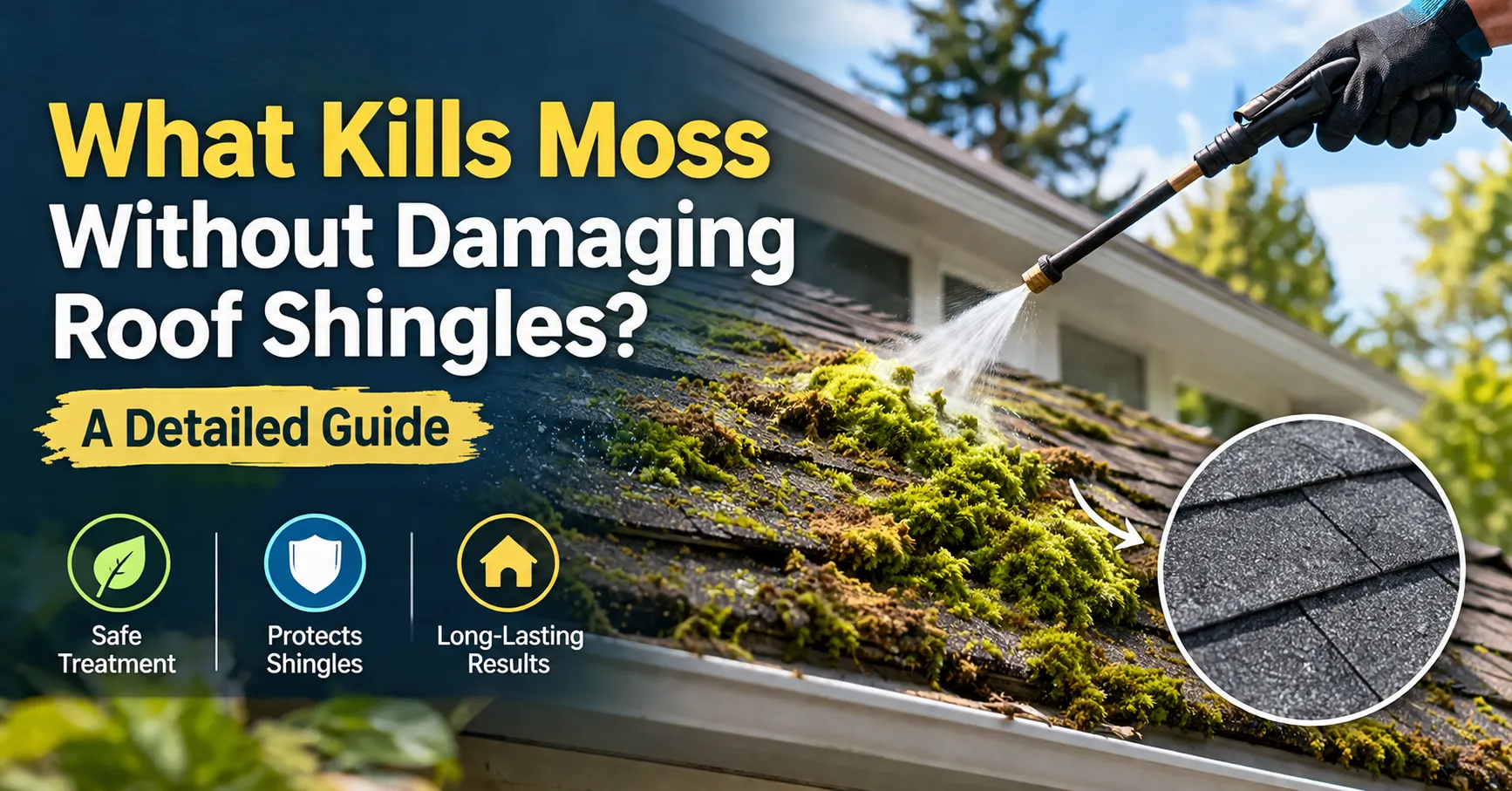
When growth is already established, the cleaning method matters. Gentle soft washing services Washington kill moss and algae at the root and reduce the chance of damaging shingles or siding. Harsh methods that only blast the surface often leave the roots behind, and the growth comes back faster.
Building a Maintenance Routine That Works
You don’t need a complicated system. A simple schedule covers most of what matters:
- Spring: clear gutters, check the roof for loose or missing shingles, and inspect decks and railings
- Early summer: trim branches away from the roof and check caulking around windows and doors
- Fall: clean gutters again after leaf drop, clear debris from the driveway and walkways, and look for cracks in concrete
- Winter: walk the property after storms and watch for water in unusual places
Write these dates on a calendar and treat them like appointments. Most homeowners who skip maintenance do it because they forgot, not because they didn’t care.
Which Tasks Save the Most Money
Gutter cleaning is one of the highest-value tasks for the money. It protects the foundation, siding, and landscaping at a fraction of the cost of water damage repair. Roof checks come next, since catching a small leak early can save the cost of replacing insulation, drywall, or flooring inside.
Deck inspections are worth a few minutes each season. Loose boards, soft spots, and failing fasteners are easy to fix now and expensive to ignore. Concrete crack sealing in fall keeps water from freezing and widening small gaps.
When to Bring in a Professional
Some checks you can handle yourself, like looking at gutters from the ground or walking the perimeter after a storm. Roof work, multi-story exterior cleaning, and structural repairs call for a professional with the right equipment and insurance. Ask any provider what their maintenance plan includes and whether they’ll give you a written summary of what they found.
Stop Guessing, Start Planning
Here’s the part most people skip: the cost of waiting is almost always higher than the cost of acting. Think back to the last surprise repair you paid for. Chances are the warning signs were there months earlier. Start your maintenance calendar this week, walk the property with fresh eyes, and note anything that looks off. Then call Ashley Westmark to schedule a visit and get ahead of the next problem. Book your property maintenance visit online before the wet season sets in.
Frequently Asked Questions
1. What is preventive maintenance for a home?
It’s routine care that catches small problems before they turn into costly repairs. Think regular cleaning, inspections, and minor fixes done on a schedule.
2. How often should I do preventive maintenance?
Most exterior tasks work well on a seasonal schedule, with spring and fall being the most important. Shaded properties may need more frequent checks.
3. Which maintenance task saves the most money?
Gutter cleaning and roof inspections are often the highest-value tasks. They protect the structure from water damage, which is one of the most expensive problems homeowners face.
4. Can preventive maintenance really reduce emergency repairs?
Yes. Many emergencies start as small issues that went unnoticed. Regular checks catch them while they’re still simple to fix.
5. Why does Washington require more exterior maintenance?
Frequent rain and shade keep surfaces damp, which encourages moss, algae, and rot. Regular cleaning and inspection help slow that process.
6. Is soft washing better than pressure washing for roofs?
For moss and algae on roofs, soft washing is generally gentler and more effective at killing growth at the root. Pressure washing can damage shingles if used too aggressively.
7. How can I tell if my gutters need attention?
Look for overflow during rain, sagging sections, water dripping from joints, or dark streaks on siding below the gutter. Any of these signs means it’s time to check.
8. Should property managers follow the same schedule?
Property managers usually need a more detailed schedule covering multiple buildings. Documenting each visit also helps track recurring issues.
9. What’s the first step to building a maintenance plan?
Walk the entire property and list what you see. Note areas of concern, then set a schedule based on the season and the most urgent items.
10. Do I need a written plan or is a calendar enough?
A calendar is a good start. A written summary from your service provider, listing what was done and what needs attention next, adds a useful record over time.






Sign in to leave a comment.