How Printed Displays Shape the Experience of Business Events

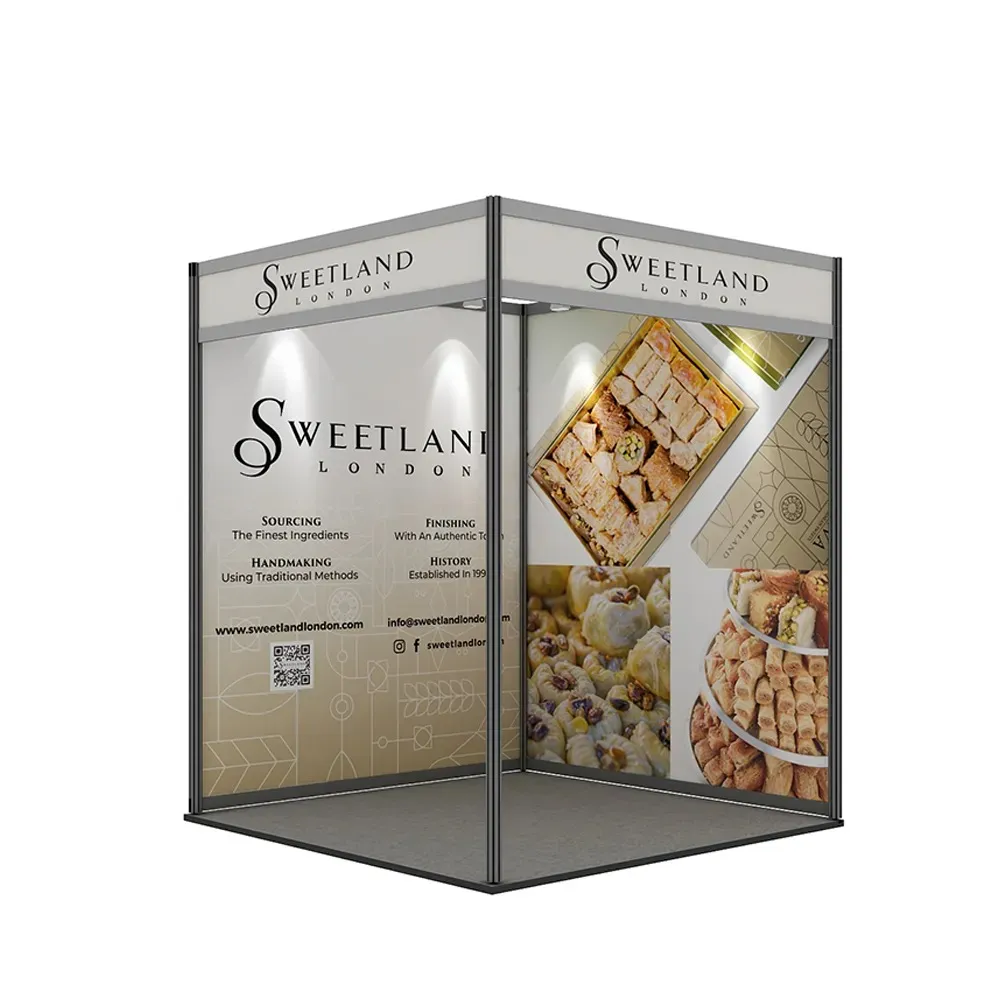
Business events are built around communication, whether companies are presenting new products, meeting prospective clients or sharing industry knowledge. The physical environment plays a significant part in how these interactions take place. Printed displays help businesses establish their presence, communicate important information and create a recognisable identity within a busy venue.
From exhibition backdrops to supporting posters, each printed element contributes to the overall presentation. A carefully planned display can make an event space more organised, accessible and visually consistent without overwhelming visitors with unnecessary information.
The Importance of Visual Presentation at Business Events
Visual presentation influences how visitors perceive an exhibition space before they engage with the people or products within it. At trade shows and corporate events, numerous businesses may be competing for attention in the same venue. A clear and professional display helps communicate what a company represents and gives visitors a reason to approach its stand.
Effective event presentation involves more than attractive graphics. It requires a balance between visual appeal, readable information and practical use of space. Displays should support the purpose of the event while remaining comfortable for visitors to navigate.
Several factors contribute to a well-presented exhibition environment:
- Brand consistency: Colours, typography and imagery should align with the company's established identity.
- Message clarity: The main purpose of the display should be easy to understand.
- Visual hierarchy: Important information should receive greater prominence than supporting details.
- Space management: Printed materials should complement the layout rather than create unnecessary obstructions.
- Audience relevance: Graphics should reflect the interests and expectations of the people attending the event.
A thoughtful approach to visual presentation can help businesses create a professional atmosphere. It also supports more meaningful conversations by allowing visitors to understand the company's offering before approaching its representatives.
Selecting Suitable Printed Displays for Exhibition Spaces
The requirements of an exhibition display depend on the venue, stand dimensions, event format and intended use. A compact exhibition space may require a simple backdrop, while a larger stand could benefit from several coordinated display elements.
Choosing suitable printed materials involves understanding how each component will function within the space. Some displays provide a branded background, while others support product information, visitor interaction or directional communication.
| Display Type | Common Application | Important Consideration |
| Pop-up displays | Exhibition backdrops | Assembly and visual coverage |
| Fabric display stands | Indoor trade shows | Finish, portability and appearance |
| Shell scheme graphics | Standard exhibition booths | Accurate panel measurements |
| Exhibition counters | Visitor reception areas | Accessibility and storage |
| Modular displays | Multiple business events | Adaptability and reusability |
Businesses can review different exhibition stands when planning the printed presentation of their event space. The selection should reflect the available floor area, display objectives and practical installation requirements.
Display dimensions are particularly important. Graphics that are too small may struggle to communicate effectively within a large venue, while oversized materials can make a limited space feel crowded. Businesses should also consider whether their displays will be used for a single event or transported between different venues.
The right combination of printed structures can create a more functional exhibition environment while maintaining a consistent visual identity.
Here is a slightly shortened version, keeping the key information, headings and backlinks intact.
How Printed Graphics Communicate a Business's Identity
Printed graphics help businesses establish a visual connection with their audience. At exhibitions, they introduce a company, highlight its services and communicate its key message. Clear, well-designed graphics make a stand recognisable and help visitors understand the business's offering.
Since exhibition spaces are often busy, graphics should prioritise essential information rather than lengthy descriptions.
Maintaining a Clear Visual Hierarchy
A clear visual hierarchy helps visitors identify important information quickly. Company names, headlines and key messages should be prominent, while supporting details can appear in smaller sections. Consistent typography and readable text sizes also improve clarity across display materials.
Balancing Branding with Informational Content
Branding should establish identity without overcrowding the display. Excessive logos, competing colours and repeated messages can make an exhibition stand appear cluttered.
A balanced design combines recognisable branding with useful information. Images should support the message by illustrating products, services or relevant features.
The Role of Posters in Exhibition and Event Communication
Posters provide a flexible way to communicate specific information at business events. They can display product details, announcements, promotional messages or event schedules. Their use extends to conference areas, reception spaces and corporate meeting environments.
Businesses considering digital posters can use printed graphics to support different event communication needs.
Poster effectiveness depends on design, dimensions and positioning. Important considerations include:
- Headline placement: Make the primary message easy to identify.
- Text arrangement: Present information in a logical order.
- Image selection: Use relevant visuals that support the message.
- Colour contrast: Ensure text remains readable against its background.
- Poster dimensions: Match the size to the viewing distance and available space.
Posters can complement exhibition graphics by providing additional information without overcrowding the main backdrop.
Coordinating Printed Materials for a Consistent Event Experience
A professional exhibition space should maintain a consistent visual identity across its backdrops, posters, counters and signage. Shared colours, typography and graphic styles help connect these materials.
However, every printed item should retain its own purpose. A backdrop may introduce the company, while a poster provides detailed information about a particular product or service.
Placement is equally important. Graphics should complement visitor movement and the venue's layout. Businesses should also consider lighting, furniture and display equipment to maintain an organised and cohesive environment.
Preparing Artwork and Print Materials for Business Events
The quality of printed displays depends on accurate artwork preparation. Incorrect dimensions, low-resolution images or formatting errors can affect the final result.
Before printing, businesses should confirm their display specifications and review the artwork carefully.
Key preparation requirements include:
- File dimensions: Match the printer's specifications.
- Image resolution: Use high-quality images for clear output.
- Colour settings: Follow the printer's recommended colour requirements.
- Bleed: Include it where necessary for accurate trimming.
- Font handling: Embed or supply fonts as instructed.
- Proofing: Check spelling, alignment and image placement before approval.
Production and delivery schedules should also be considered, particularly when multiple display components are required. Transport, installation and storage arrangements can help preserve printed materials and make them easier to reuse at future exhibitions.
Conclusion
Printed displays remain an important part of business events because they combine visual communication with practical presentation. Exhibition structures establish a company's presence, while posters and supporting graphics communicate information in a clear and organised manner. The effectiveness of these materials depends on suitable selection, consistent design, accurate artwork preparation and thoughtful placement. Businesses should prioritise readability and functionality rather than adding unnecessary visual elements. With a considered approach to event printing, VC Print can support businesses in preparing professional display materials that contribute to a more cohesive and informative exhibition experience.



Sign in to leave a comment.