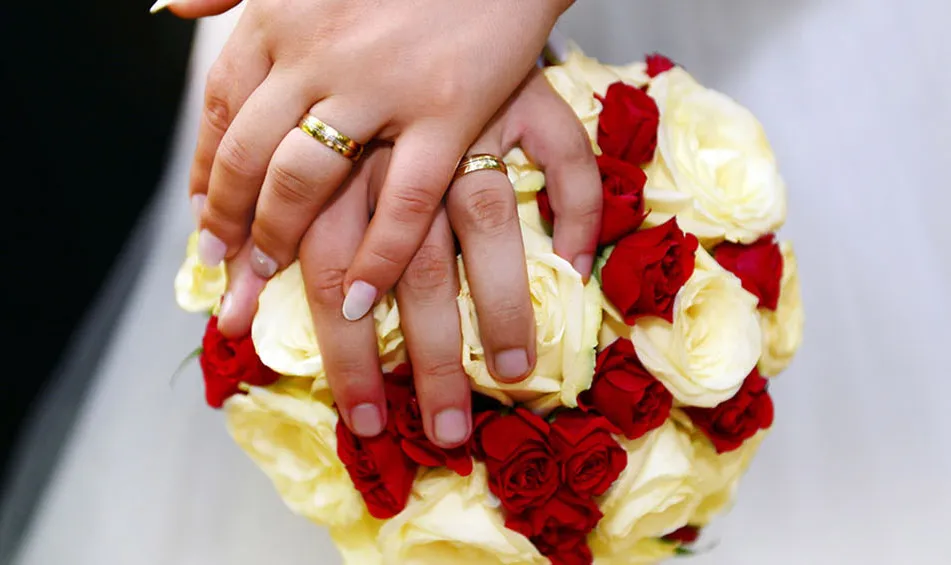

Wedding photography is about preserving emotions, relationships, details, and once-in-a-lifetime moments. From the bride getting ready to the ceremony, reception, family portraits, and candid celebrations, a wedding photographer may capture hundreds or even thousands of photographs during a single event.
However, capturing the images is only one part of the process. Professional post-production plays an important role in turning those photographs into a consistent and polished wedding gallery.
With careful editing, photographers can improve exposure, refine colors, clean distracting elements, enhance portraits, and create a consistent visual style across the entire collection.
Why Wedding Photo Editing Matters
Wedding photographs are captured in many different lighting conditions. A photographer may work outdoors during the day, inside a dim venue, under artificial reception lighting, and in changing natural light throughout the event.
As a result, individual photographs can have differences in:
- Exposure
- White balance
- Skin tones
- Contrast
- Color temperature
- Shadows
- Highlights
- Background appearance
Professional editing helps bring these photographs together into a cohesive collection.
Creating Consistent Wedding Galleries
One of the biggest challenges for wedding photographers is maintaining consistency across hundreds of images.
A wedding album may contain portraits, group photographs, ceremony images, reception photographs, detail shots, and candid moments. Each photograph may have been captured under different conditions.
A consistent editing approach can help ensure that the complete gallery feels connected rather than looking like a collection of unrelated photographs.
Professional Color Correction
Color is an important part of wedding photography.
Incorrect white balance can make a wedding dress appear yellow, skin tones look unnatural, or venue lighting appear excessively warm or cool.
Professional color correction can help balance:
- White balance
- Skin tones
- Highlights
- Shadows
- Saturation
- Contrast
- Overall color temperature
The goal is to enhance the photograph while preserving the atmosphere of the original moment.
Natural Skin Retouching
Wedding portraits often receive special attention because they may be printed in albums, displayed as large wall photographs, or shared online.
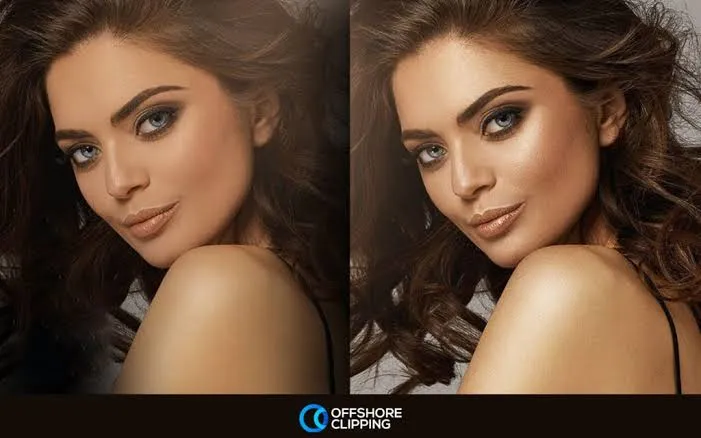
Professional retouching can address temporary imperfections while maintaining natural skin texture.
Common adjustments may include:
- Blemish removal
- Minor skin cleanup
- Eye enhancement
- Subtle teeth whitening
- Reducing temporary marks
- Controlling excessive shine
- Refining uneven skin tones
The most effective retouching generally enhances the subject without making the person appear artificial.
Enhancing Bridal Portraits
Bridal portraits often contain intricate details such as makeup, hair, jewelry, wedding dresses, and accessories.
Careful editing can help emphasize these details while maintaining the natural appearance of the bride.
Editors may work on:
- Facial details
- Hair cleanup
- Makeup enhancement
- Dress details
- Jewelry
- Skin tones
- Lighting
- Background distractions
These subtle improvements can make important portraits more suitable for albums and promotional portfolios.
Cleaning Up Distracting Elements
Wedding locations can contain temporary distractions that were not part of the intended composition.
Examples include:
- Unwanted people
- Cables
- Signs
- Objects
- Litter
- Background clutter
- Temporary equipment
- Small visual distractions
Object removal and background cleanup can help keep attention on the couple and the important moment.
Improving Difficult Lighting
Wedding photographers frequently encounter challenging lighting situations.
Indoor receptions, dark venues, backlit portraits, mixed lighting, and nighttime celebrations can make exposure and color correction more difficult.
Professional editing can help recover useful details while balancing bright and dark areas.
HDR and exposure blending techniques can also be useful when multiple exposures are available and need to be combined into a balanced final image.
Preserving the Original Emotion
Wedding editing should not remove the character of the photograph.
A successful workflow should preserve the emotions captured during the event while improving technical and visual quality.
Laughs, tears, excitement, family interactions, and spontaneous expressions are often what make wedding photography meaningful. Editing should support these moments rather than distract from them.
Preparing Images for Wedding Albums
Wedding photographs may eventually appear in printed albums, wall art, invitations, social media posts, websites, and digital galleries.
Each application can have different requirements.
Professional post-production can help prepare images with appropriate:
- Resolution
- Cropping
- Color
- Sharpness
- Aspect ratio
- File format
Proper preparation can help ensure that photographs remain attractive across different forms of presentation.
Editing Candid Wedding Photography
Not every important wedding photograph is a formal portrait.
Candid images capture spontaneous reactions and interactions that contribute to the story of the wedding day.
Editing can improve these photographs through exposure correction, color adjustments, cropping, background cleanup, and subtle retouching while keeping the spontaneous character intact.
Maintaining a Photographer's Signature Style
Every wedding photographer may have a preferred visual style.
Some prefer bright and airy images, while others may favor warm tones, dramatic contrast, muted colors, or cinematic processing.
A professional editing workflow can follow the photographer's established style so that the final gallery remains aligned with their brand.
This is particularly important for photographers who want their portfolio to have a recognizable appearance.
Handling Large Wedding Image Volumes
Wedding photographers can return from an event with hundreds or thousands of photographs.
Editing every image individually can consume significant time, especially during busy wedding seasons.
Outsourcing can provide additional editing capacity and help photographers manage large projects without spending all their working hours in post-production.
Professional wedding photo retouching can include everything from color correction and exposure adjustments to detailed portrait retouching and image cleanup.
Benefits of Outsourcing Wedding Photo Editing
Outsourcing can provide several practical benefits for professional photographers and studios.
More Time for Photography
Reducing post-production workload allows photographers to spend more time on shooting, marketing, client communication, and business development.
Consistent Results
A dedicated editing workflow can help maintain similar color, exposure, and retouching standards across an entire wedding collection.
Support During Busy Seasons
External editing support can be especially useful when photographers have multiple weddings scheduled close together.
Scalable Production
Photographers can send different volumes of work according to their project requirements instead of maintaining a large permanent editing team.
Faster Client Delivery
An efficient post-production workflow can help photographers prepare galleries and albums within their planned delivery schedules.
A Professional Wedding Editing Workflow
A structured workflow can make large wedding projects easier to manage.
Image Culling → Exposure Correction → Color Correction → Skin Retouching → Object Removal → Background Cleanup → Creative Adjustments → Consistency Check → Quality Control → Final Export
Having a clear workflow helps reduce mistakes and ensures that important editing steps are not overlooked.
Quality Control Before Final Delivery
Before delivering a wedding gallery, every image should be reviewed.
Quality control can check for:
- Incorrect colors
- Excessive retouching
- Uneven exposure
- Skin-tone inconsistencies
- Missing details
- Unwanted objects
- Cropping issues
- Editing artifacts
- Inconsistent image styles
A final review is particularly important for wedding photographs because many images may be printed or preserved permanently.
Choosing a Wedding Photo Editing Partner
Photographers considering outsourcing should evaluate several factors before selecting an editing provider.
Important considerations include:
- Experience with wedding photography
- Portfolio quality
- Ability to follow editing instructions
- Turnaround time
- Bulk editing capability
- Revision process
- Quality control
- Data security
- Communication
A small sample project can also help photographers determine whether the editing style matches their expectations.
Final Thoughts
Professional wedding photo editing is an important part of modern wedding photography. It can help photographers transform large collections of photographs into polished, consistent galleries while preserving the emotions and authenticity of the wedding day.
From color correction and exposure balancing to bridal retouching, background cleanup, object removal, and detailed portrait enhancement, a structured editing workflow can make the final collection more cohesive and presentation-ready.
For photographers and studios handling high-volume wedding projects, outsourcing can also reduce post-production workload and provide additional editing support. Wedding Photo Retouching Services can help photographers manage professional wedding image editing while maintaining a consistent visual style.























Sign in to leave a comment.