

Water is one of the most common causes of property damage, especially when it is not directed away from the roof and building properly. Seamless Gutters play an important role in supporting effective drainage by collecting rainwater and guiding it away from vulnerable areas. For residential and commercial property owners, a properly functioning drainage system can help reduce the risk of moisture-related damage that may otherwise lead to expensive repairs.
Roof drainage is often overlooked until visible problems begin to appear. Water stains, overflowing gutters, damaged siding, foundation moisture, and roof deterioration can all develop when rainwater is not managed effectively. Understanding how a drainage system works and maintaining it properly can help property owners protect different parts of their buildings.
Why Proper Roof Drainage Matters for Property Protection
A roof is designed to shed water, but moving water away from the roof surface is only one part of the process. Rainwater must also be collected and directed safely away from the building. When this process is interrupted, water can accumulate in areas where it does not belong.
Poor drainage may contribute to problems such as:
- Water pooling around the foundation
- Moisture damage to siding and exterior walls
- Soil erosion around the property
- Water infiltration near windows and doors
- Damage to fascia boards and roof edges
- Increased moisture around lower levels of the building
The effects may not always be immediately visible. Small drainage problems can develop gradually, allowing repeated exposure to moisture over time. Addressing drainage concerns early can help prevent minor issues from becoming larger property maintenance problems.
How Gutters Support Effective Water Management

A gutter system collects rainwater as it runs off the roof and channels it toward downspouts. The downspouts then direct the water away from the structure.
When each part of the system functions correctly, water is less likely to spill over roof edges or collect directly next to the building. However, clogged, damaged, undersized, or improperly positioned gutters may interfere with this process.
Several factors can affect gutter performance, including:
- Leaves and other debris
- Improper gutter slope
- Loose or damaged sections
- Blocked downspouts
- Poorly positioned drainage outlets
- Wear around joints and connections
Regular inspection and maintenance can help identify these issues before they contribute to more extensive water damage.
How Seamless Gutters Can Improve Drainage Performance
Traditional sectional gutter systems contain multiple connected pieces. Each connection may require attention over time because joints can collect debris or become areas where leaks develop.
Seamless Gutters are designed with fewer joints along the main gutter runs. This design can reduce the number of connection points where water or debris may create problems. Proper installation and regular maintenance are still important, but reducing unnecessary joints can support more consistent water flow.
The effectiveness of any gutter system also depends on proper sizing and placement. A drainage system should be suitable for the roof design, expected water flow, and layout of the property. Downspouts must also be positioned to direct water away from areas where pooling could create additional problems.
Preventing Foundation and Structural Moisture Problems
One of the most important purposes of roof drainage is keeping excessive water away from the foundation. When large amounts of rainwater repeatedly collect near the base of a building, moisture can affect the surrounding soil.
Depending on site conditions, excessive moisture may contribute to:
- Soil movement or erosion
- Water entering lower levels
- Increased pressure against foundation walls
- Damp conditions near crawl spaces or basements
- Damage to landscaping and hardscaping
Directing water away from the structure helps reduce unnecessary exposure to these conditions. Property owners should also consider the slope of the surrounding land, since gutters and downspouts are only one part of an effective overall drainage strategy.
Protecting Roof Edges, Fascia, and Exterior Materials
Overflowing water does not always fall harmlessly onto the ground. When gutters become clogged or damaged, water may spill over roof edges or back up into nearby materials.
Repeated exposure to moisture can affect fascia boards, soffits, siding, and other exterior components. In some situations, standing water near the roof edge may also contribute to deterioration of roofing materials.
Routine inspections can help identify warning signs such as:
- Water marks below the gutter line
- Peeling paint near roof edges
- Sagging gutter sections
- Visible rust or corrosion
- Water spilling over during rainfall
- Damp or deteriorated fascia boards
Addressing these issues when they first appear may help limit the extent of future repairs.
Why Regular Gutter Maintenance Is Important

Even a properly installed drainage system requires maintenance. Leaves, twigs, dirt, and other debris can accumulate inside gutters and downspouts, restricting the flow of water.
Maintenance needs may vary depending on nearby trees, weather conditions, and the design of the property. Regular cleaning and inspection can help ensure that water continues moving through the system as intended.
Property owners should pay particular attention to:
Gutter Cleaning
Removing accumulated debris allows rainwater to flow more freely. Clogged sections can cause water to overflow and increase the weight placed on the gutter system.
Downspout Performance
A clear gutter does not provide complete drainage if the downspout is blocked. Water should be able to travel through the entire system and discharge away from the structure.
Fasteners and Alignment
Loose fasteners or sagging sections can change the direction of water flow. Checking the alignment of the system can help identify areas where water may collect instead of draining properly.
Signs of Leaks
Small leaks around joints, corners, or connections should not be ignored. Repeated water exposure can gradually affect nearby building materials.
Roof Design Can Affect Drainage Needs
Not every property manages water in the same way. Roof pitch, surface area, valleys, and architectural features can all influence how rainwater moves across a building.
For example, a large roof surface may collect a significant amount of water during heavy rainfall. Roof valleys can concentrate water flow in specific areas, while flat or low-slope roofs may require specialized drainage approaches.
Property owners should consider the overall roof design when evaluating drainage performance. A system that works well for one structure may not be appropriate for another.
Common Signs of Poor Roof Drainage
Recognizing drainage problems early can help property owners take action before water exposure causes more significant damage. Some common warning signs include:
- Gutters overflowing during rainfall
- Water pooling near the foundation
- Stains on exterior walls
- Erosion beneath downspouts
- Sagging or detached gutters
- Standing water on certain roof areas
- Damp spots near windows or lower levels
- Mold or moisture growth in affected areas
These signs do not always indicate the same underlying issue. A professional inspection can help determine whether the problem is related to the gutters, roof condition, drainage layout, or another part of the property.
The Connection Between Roof Maintenance and Drainage
Roof maintenance and drainage maintenance are closely connected. Damaged roofing materials, clogged drainage components, and deteriorated roof edges can all affect how water moves across and away from the property.
Regular roofing inspections can help identify issues such as damaged flashing, worn materials, or areas where water may not be draining as intended. At the same time, inspecting the gutter system can reveal blockages, leaks, or alignment problems.
Looking at the roof and drainage system together provides a more complete understanding of how the property handles rainwater. This approach can help property owners prioritize maintenance based on the condition of different components.
How Professional Inspections Can Help Identify Drainage Issues
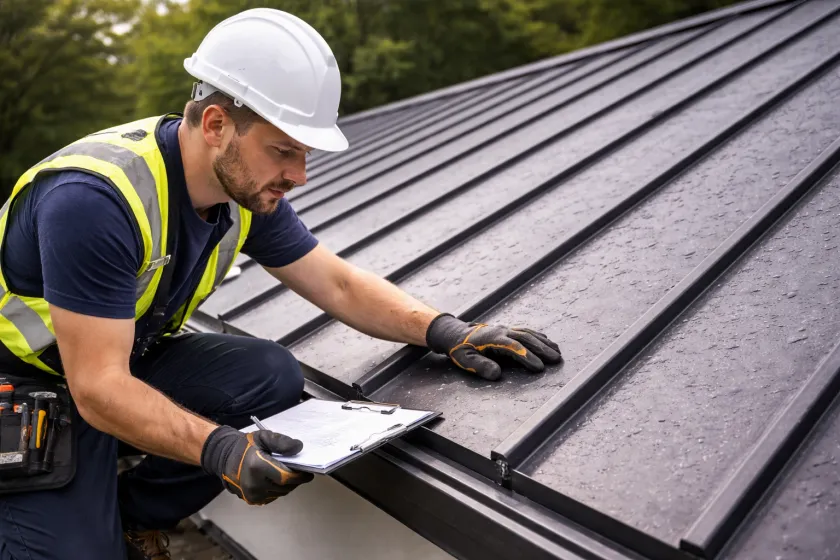
Some drainage problems are easy to see, while others may remain hidden until damage becomes more noticeable. A professional inspection can help evaluate the condition of the roof, gutters, drainage components, and areas affected by water flow.
Depending on the property, an inspection may identify:
- Damaged or deteriorated roofing materials
- Clogged or poorly functioning drainage components
- Signs of water infiltration
- Deteriorated roof edges or exterior materials
- Areas where water is collecting or overflowing
- Maintenance concerns that may require further attention
Identifying the source of a problem is important because visible water damage may not always begin in the same location where it appears.
A Proactive Approach to Protecting Residential and Commercial Properties
Waiting until water damage becomes obvious can result in more extensive maintenance and repair needs. Regular inspections, cleaning, and timely repairs can help property owners maintain better control over how water moves around their buildings.
A proactive drainage plan may include seasonal inspections, gutter cleaning, checking downspout discharge areas, monitoring signs of erosion, and addressing roofing concerns that could interfere with water flow.
Property owners should also inspect their buildings after periods of heavy rain or severe weather. New leaks, overflowing sections, or unusual water pooling may indicate that part of the drainage system needs attention.
Conclusion
Proper roof drainage helps protect properties from water damage by directing rainwater away from vulnerable areas. Seamless Gutters can support effective drainage with fewer joints, while regular maintenance helps prevent costly issues.
Property owners can contact Roofing Freeport for professional roofing and gutter services tailored to their property and drainage needs. Call (516) 226-8500 or email [email protected] for more information.
FAQs
1. Why is proper roof drainage important?
Proper roof drainage helps move rainwater away from the roof and building. This can reduce the risk of water pooling, overflowing, moisture exposure, and damage to exterior or structural components.
2. How often should gutters be cleaned?
The appropriate cleaning schedule depends on factors such as nearby trees, weather conditions, and the amount of debris around the property. Regular inspections can help determine when cleaning is needed.
3. Can clogged gutters cause property damage?
Yes. Clogged gutters can cause water to overflow, potentially exposing roof edges, siding, fascia, and areas near the foundation to repeated moisture.
4. What are common signs of poor roof drainage?
Overflowing gutters, water pooling near the building, erosion, sagging gutter sections, water stains, and standing water can all indicate potential drainage concerns.
5. Should roof and gutter inspections be performed together?
Inspecting both systems together can provide a clearer understanding of how water moves across the roof and away from the property. This can help identify related maintenance or drainage issues.
























Sign in to leave a comment.