

When homeowners consider adding solar panels to a property, most of the attention goes to the panels themselves: how many are needed, how much energy they will generate, and what the investment is expected to return over time. The roof underneath tends to receive far less consideration, even though it plays a direct role in how well that investment performs.
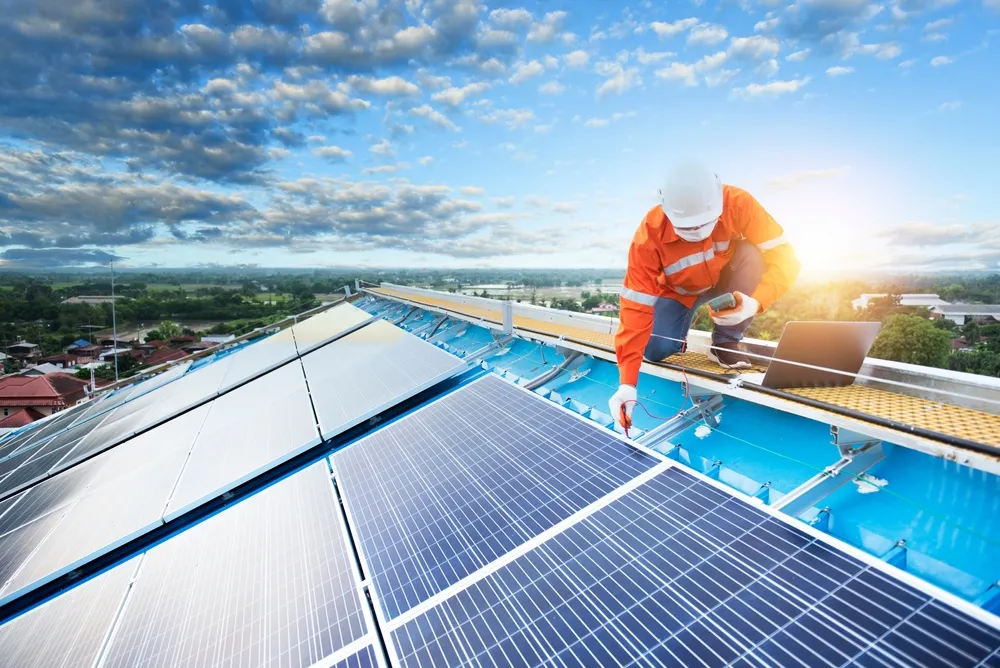
A solar array is only as reliable as the surface it sits on. Roof preparation: an honest assessment of a roof's age, condition, and structural capacity before any equipment is installed is one of the more overlooked steps in a solar project, and often one of the more consequential ones. Skipping it does not always cause an immediate problem, but it tends to create one eventually, usually at a less convenient point in the roof's lifespan.
Why Roof Condition Matters Before Installation
Solar panels are generally expected to remain in place for two to three decades. A roof already partway through its own lifespan when panels go up may not last that long without needing repair or replacement, and by then, the equipment sitting on top of it complicates the work considerably.
Installing solar on a roof nearing the end of its useful life often means the panels will eventually need to be removed and reinstalled once the roof underneath requires attention, adding cost and disruption that earlier planning could have avoided. A roof in good condition, by comparison, gives a solar system the stable, long-term foundation it is designed to sit on.
Assessing a Roof's Remaining Lifespan
One of the first questions worth answering before solar work begins is how much useful life the existing roof has left. Roofing materials vary considerably in expected lifespan: asphalt shingles typically last 15 to 25 years, while metal roofing can last 40 years or more. A roof's age relative to that range is a reasonable starting point for the conversation.
A thorough evaluation usually looks beyond age alone. Wear patterns, prior repairs, and visible signs of deterioration all factor into a more accurate picture than the installation date by itself would provide. In many cases, a roof that is structurally sound but somewhere in the middle of its expected lifespan is a reasonable candidate for solar, while one already showing significant wear is often better addressed first.
Structural and Weight Considerations
Solar equipment adds weight to a roof, along with mounting hardware that needs to be securely attached to the structure beneath the roofing material. A structural review typically checks whether the roof deck and underlying framing can support that additional load without issue.
This step matters particularly for older properties, where original construction standards may not have anticipated the kind of load a modern solar array introduces, a detail easy to overlook when attention stays focused on panel output and projected savings, but one that directly affects whether an installation holds up safely over time.
Roofing Material and Solar Compatibility

The type of roofing material in place has a direct effect on how solar equipment gets mounted and maintained. Asphalt shingle roofs generally require penetrating the surface to anchor mounting brackets, which needs to be done carefully to avoid creating future leak points. Flat roofs, common on many multi-family and commercial buildings, often use ballasted racking systems that do not penetrate the membrane at all. Metal roofing offers a somewhat different advantage, since clamps can often attach directly to standing seams without penetrating the material.
Understanding how a specific roofing material interacts with solar mounting affects both the installation process and how easily the system can be serviced or removed later if roof work becomes necessary.
Common Roof Issues That Can Complicate a Solar Project
A handful of roofing issues tend to come up repeatedly during pre-solar assessments, and identifying them early generally avoids more complicated fixes later:
- Existing leaks or water damage, which can worsen once covered by panels and become harder to locate
- Deteriorating flashing around chimneys, vents, or skylights, a common point of water intrusion
- Inadequate attic or roof ventilation, which can accelerate wear on both the roof and the equipment above it
- Sagging or uneven sections, sometimes indicating trapped moisture or structural concerns beneath the surface
Addressing these issues before installation is generally more straightforward, and less expensive, than addressing them after solar equipment is already in place.
The Cost of an Unprepared Roof
The appeal of moving straight to installation is understandable; it can appear to save time and expense in the short term. In practice, skipping a proper assessment tends to shift costs further down the road rather than eliminate them.
A roof that fails prematurely under an existing solar array typically requires the panels to be removed, the roof repaired or replaced, and the system reinstalled in a sequence that costs considerably more than addressing the roof first would have. Warranty complications can also arise, since some roofing and equipment warranties include specific requirements about the condition of the roof at the time of installation.
What a Thorough Pre-Installation Assessment Involves
A proper evaluation ahead of a solar project typically covers several areas at once, rather than a single visual check:
- An evaluation of the roof's age and remaining expected lifespan
- A structural review of the roof deck and framing to confirm it can support added weight
- An inspection for existing damage, leaks, or deterioration
- A review of the roofing material and how it will interact with the proposed mounting method
- An assessment of attic or roof ventilation and how it may affect long-term performance
This kind of review gives a clearer picture of whether a roof is ready for solar as it stands, or whether some work repair, partial replacement, or a full reroof should happen first.
Coordinating the Timing of Roof and Solar Work

Sequencing matters as much as the individual steps themselves. In most cases, any necessary roof repair or replacement is best completed before solar installation begins rather than after. Handling the roof first avoids the added cost and complexity of removing and reinstalling panels, and it gives the roofing material time to fully settle before equipment is mounted on top of it.
For roofs already in good condition, this sequencing question may not come up at all. For roofs somewhere in the middle of their lifespan, though, a candid conversation about timing early on tends to prevent a more disruptive process later.
Regional and Seasonal Considerations
In colder, coastal regions of the Northeast, roofs face a particular combination of stress: freeze-thaw cycles through winter, humidity and storm activity through summer, and salt air that can accelerate wear on certain materials over time. Older housing stock common throughout many of these communities adds another layer of consideration, since original roofing materials and structural elements were not always built with modern solar loads in mind.
These regional factors do not change the fundamentals of preparing a roof for solar, but they do make proactive assessment somewhat more worthwhile than it might be in a milder or newer-construction setting. A roof holding up reasonably well today can still benefit from a closer look before solar equipment is added, particularly in a climate that places consistent, cumulative stress on roofing material year after year.
The Value of Professional Assessment
Because this process touches on both roofing and solar considerations at once, an evaluation from someone familiar with both trades tends to produce a more complete picture than a roofing-only or solar-only inspection would on its own. A combined assessment can identify not just whether a roof is structurally sound, but whether its material, age, and configuration make it a good candidate for solar as it stands, or whether some work should happen first.
Homeowners considering solar are generally well served by bringing this question into the conversation early, rather than treating the roof as an afterthought once panel selection and system design are already underway.
Final Thoughts
A successful solar project depends on more than the panels themselves. The roof beneath them plays a direct role in how well the system performs, how long it lasts, and how much it ultimately costs over its lifetime. An honest look at a roof's age, structural condition, and compatibility with solar mounting is a step that tends to pay for itself by avoiding far more expensive complications later.
Working through that step early, before equipment selection or scheduling begins, tends to make the rest of a solar project considerably more predictable. Those looking for a team that evaluates roofing and solar needs together can reach Solaroof NY at 516-744-0300 or [email protected].
FAQS
Does an older roof need to be replaced before installing solar panels?
Not necessarily. A structurally sound roof with sufficient remaining lifespan can often support solar without replacement.
If the roof has significant wear, leaks, or is nearing the end of its lifespan, replacement may be better first.
How does roofing material affect solar panel installation?
Roofing material determines the mounting method, attachment points, and long-term maintenance requirements for the solar system.
Asphalt shingles, metal roofs, and flat roofs each require different approaches to secure the panels properly.
Is it better to replace a roof before or after installing solar panels?
If roof replacement is needed, completing it before solar installation can help avoid future panel removal and reinstallation costs.
It also provides a fresh, stable roofing surface for mounting the solar equipment.
What does a pre-installation roof assessment typically involve?
A roof assessment checks its age, condition, remaining lifespan, structural capacity, existing damage, and compatibility with solar mounting.
It may also evaluate ventilation and other roof conditions that could affect the installation.





























Sign in to leave a comment.