

Owning a commercial building involves more than collecting rent and maintaining the property. Owners must consider the structure, tenants, building systems, liability exposures, and potential interruptions that could affect their investment. Insurance decisions should reflect how a property is used, who occupies it, and what assets are located there. By reviewing these factors regularly, commercial property owners can better understand their insurance considerations and identify areas that may require professional guidance.
Evaluating Commercial Property Owner Insurance
Commercial property owners may manage office buildings, retail spaces, warehouses, rental properties, or mixed-use facilities. Each type of property can present different circumstances that influence insurance needs.
Commercial property owner insurance may provide coverage for certain property and liability risks, depending on the policy's terms, conditions, exclusions, and limits. Owners should consider the building's construction, occupancy, age, condition, and use when reviewing coverage.
A property used for professional offices may have different considerations from a building occupied by a restaurant, workshop, or retail business. Providing accurate information about the property's operations can help make an insurance review more relevant.
Understanding Industrial Building Insurance
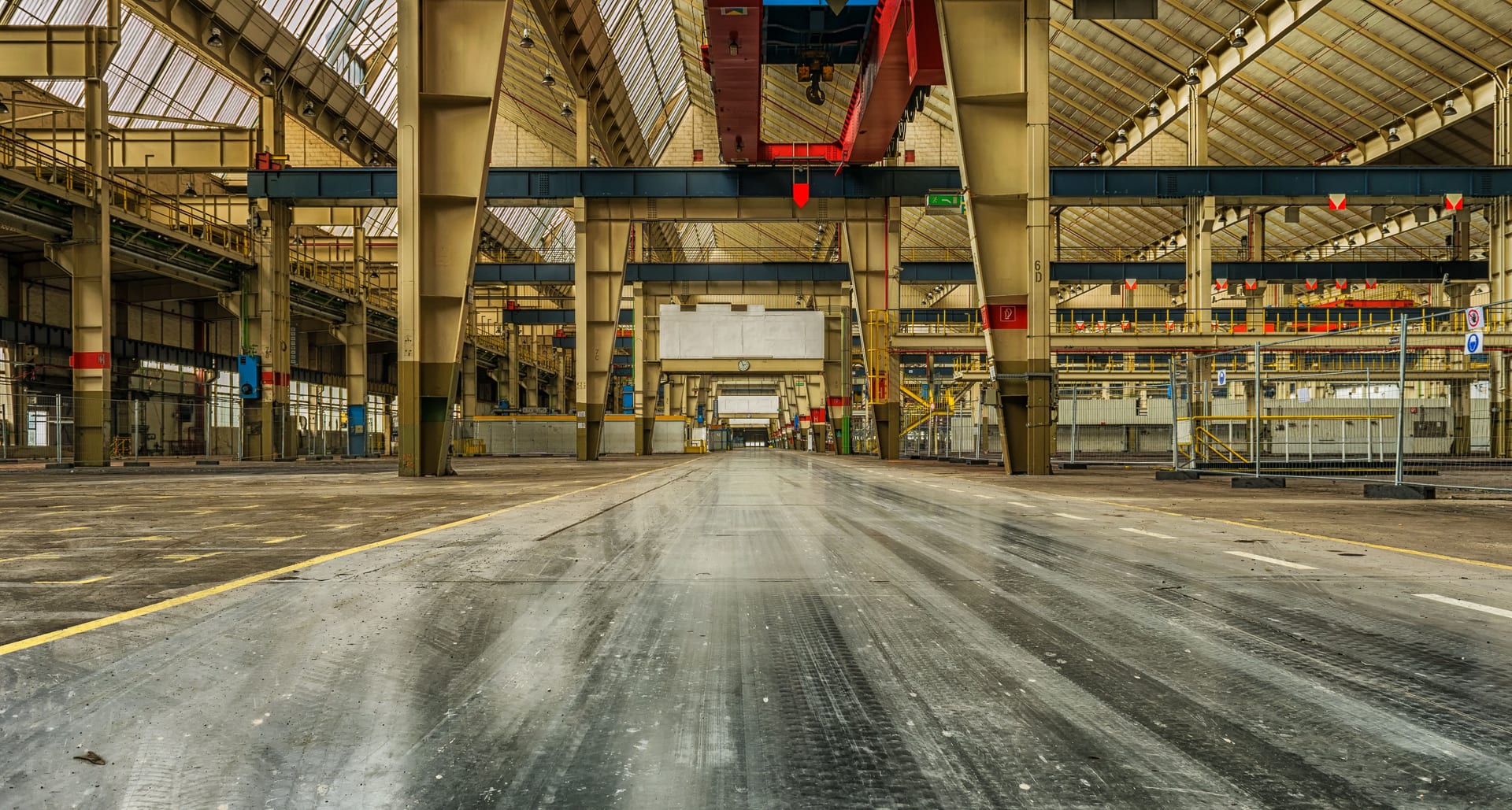
Industrial properties can involve specialized equipment, loading areas, storage facilities, manufacturing activities, and other features that require additional attention. The nature of the businesses operating inside the building can also influence its overall risk profile.
Industrial building insurance should be evaluated alongside the building's physical characteristics and occupancy. Owners may need to consider factors such as electrical systems, heating and cooling equipment, plumbing, roofing, security, and other major building components.
The activities of tenants are also important. A warehouse storing ordinary merchandise may present different circumstances from a facility containing heavy machinery or specialized manufacturing equipment.
Reviewing Tenant Responsibilities
Tenant relationships can affect how commercial property owners approach insurance. Lease agreements may establish responsibilities for maintenance, repairs, liability coverage, and other obligations.
Some tenants may be required to carry their own business insurance and provide certificates of insurance to the property owner. However, tenant coverage does not necessarily replace the owner's responsibility to protect the building and manage property-related exposures.
Owners should review lease provisions alongside their insurance arrangements and discuss unusual requirements with an insurance professional. This can help clarify where different responsibilities may apply.
Protecting Building Systems and Assets
Commercial buildings contain important systems that support daily operations. Roofs, electrical components, plumbing, heating and cooling systems, security equipment, and permanent fixtures can represent substantial investments.
Owners should maintain records of major improvements and significant property assets. Renovations, replacements, or upgrades can change the building's value and may warrant a coverage review.
Property owners should also keep documentation about the building's condition and maintenance. While insurance does not replace proper maintenance, accurate records can support better planning and insurance discussions.
Considering Liability Exposure
Visitors, tenants, contractors, delivery personnel, and other individuals may enter commercial properties regularly. An accident involving someone on the premises could create financial responsibilities for the property owner, depending on the circumstances.
Liability coverage may address certain covered third-party claims, but owners should understand applicable exclusions, conditions, and limits. The property's use and tenant activities can influence the types of liability considerations involved.
Contracts with maintenance providers and contractors should also be reviewed when relevant, particularly when outside companies perform work on the property.
Reviewing Coverage as Properties Change
Commercial properties rarely remain exactly the same for many years. New tenants, renovations, expanded operations, additional equipment, and changes in building use can all affect insurance considerations.
Owners should review their coverage when significant changes occur rather than waiting for a routine renewal. Keeping property records current can make these discussions more productive and help ensure that important changes are not overlooked.
Conclusion
Commercial building insurance should be evaluated around the property's physical condition, occupancy, tenant responsibilities, building systems, liability exposures, and changing use. Industrial properties may require additional consideration because of specialized activities and equipment. Regular reviews can help property owners make more informed decisions as their investments develop. CoveredByUs.com can help commercial property owners explore insurance options and review coverage based on their individual property needs.

























Sign in to leave a comment.