
As corporate sustainability moves from a secondary goal to a core business imperative, companies worldwide are re-evaluating their environmental footprints. While energy usage and waste management often take center stage, one area that frequently escapes scrutiny is workspace design.
Traditional commercial furniture—often constructed from short-lived composite woods, non-recyclable synthetics, and chemically treated metals—contributes significantly to landfill waste. Today, a new wave of industrial innovation is transforming how we furnish corporate, civic, and commercial environments by turning plastic waste into durable, elegant structural solutions.
The Industrial Shift: Plastic Waste as a High-Performance Material
Plastic pollution remains one of the world’s most persistent environmental challenges. Millions of tons of post-industrial and post-consumer plastics end up in landfills or ocean ecosystems each year. However, high-density polyethylene (HDPE), polypropylene (PP), and other common thermoplastics possess remarkable material properties, including resistance to weather, moisture, rot, and UV degradation.
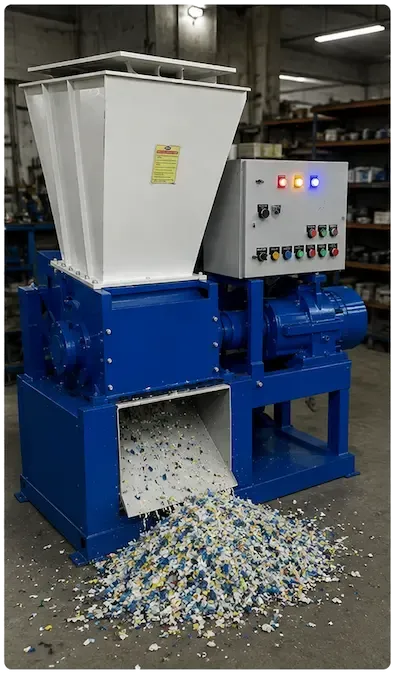
Rather than viewing plastic waste merely as a disposal issue, advanced manufacturing techniques now treat it as a long-lasting raw material. Through modern recycling processes, discarded bottles, containers, and industrial offcuts are shredded, cleaned, and processed into high-strength sheets and timber alternatives.
These recycled materials are not just eco-friendly substitutes; in many outdoor and high-traffic applications, they outperform traditional wood and metal, offering virtually zero maintenance and exceptional lifespan.

Crafting the Next Generation of Workspaces
For facilities managers, urban planners, and corporate leaders, switching to sustainable furnishings offers a clear path toward reducing Scope 3 emissions while enhancing public and office spaces.
1. High-Durability Outdoor and Public Seating
Commercial and institutional landscapes require furniture that can withstand heavy daily use and harsh weather conditions. Outdoor seating made from reclaimed plastics resists splintering, rusting, and fading without requiring annual painting or sealing. Organizations looking to upgrade their campuses, parks, or outdoor break areas often look to buy recycled plastic benches bulk to achieve unified design aesthetics, cost savings, and long-term durability.
2. Supply Chain Alignment and ESG Integration
Corporate ESG (Environmental, Social, and Governance) commitments extend to procurement strategies. Partnering with certified eco friendly corporate furniture suppliers allows organizations to verify the origin and lifecycle impact of their office assets. From ergonomic indoor desks made with recycled composite tops to modular lounge seating, sustainable procurement ensures every piece of office infrastructure aligns with environmental values.
3. Circular Economy Principles in Action
By choosing recycled furniture, businesses directly support a closed-loop system:
- Waste Diversion: Keeps tons of plastic out of municipal waste streams.
- Carbon Reduction: Manufacturing from recycled polymers typically requires significantly less energy than refining virgin plastics or harvesting and treating timber.
- Recyclability at End-of-Life: High-quality recycled plastic products can often be re-melted and remanufactured at the end of their useful lifecycle.
The Technology Driving the Transformation
The transition from loose plastic waste to structural-grade corporate furniture relies on heavy manufacturing machinery designed to handle recycled polymers efficiently.
At the center of this conversion is the plastic compression molding process. Shredded recycled plastic flakes are heated to a moldable state and then compressed under immense pressure to form dense, solid sheets or structural beams free of air pockets or internal weaknesses.
To achieve precise material density, thickness, and structural integrity required for commercial applications, manufacturers rely on specialized machinery. A high-tonnage hydraulic plastic sheet pressing machine applies uniform thermal control and high hydraulic pressure, pressing raw recycled plastic flakes into rigid, flat boards. These sheets serve as the primary building blocks for tables, partitions, wall paneling, and weather-resistant outdoor furniture.
Without advanced pressing and molding equipment, recycled plastic products would lack the consistency and mechanical strength necessary to meet commercial furniture safety standards.
Key Benefits for Commercial and Municipal Buyers
Investing in eco-friendly workspace furniture offers tangible returns beyond environmental stewardship:
- Low Total Cost of Ownership (TCO): Recycled plastic furniture requires no staining, waterproofing, or rust treatments, significantly lowering long-term maintenance costs.
- Weather & Vandal Resistance: Moisture-impermeable surfaces prevent mold growth and allow for easy cleaning, including the removal of graffiti and spills.
- Architectural Versatility: Modern fabrication techniques allow recycled plastics to feature sleek textures, varied color palettes, and contemporary finishes that complement modern architecture.
- Demonstrable Sustainability: Visually incorporating recycled materials into corporate environments serves as a clear, daily statement of a brand’s dedication to environmental responsibility.
Moving Toward a Zero-Waste Built Environment
The future of commercial interiors and exterior urban architecture lies in sustainable material innovation. As machinery technology advances and corporate procurement policies evolve, recycled plastic is proving to be a cornerstone material for resilient, beautiful, and responsible design.
By combining advanced recycling equipment with thoughtful design, businesses can transform environmental challenges into durable workspace solutions—building a greener, more resilient corporate landscape for the future.
























Sign in to leave a comment.