

Forex broker rankings help traders compare providers, but a broker's position can vary depending on the regulatory environment in which it operates. Different countries have different financial laws, licensing requirements, leverage restrictions, and consumer protection standards. Understanding these differences can help traders interpret rankings more carefully and make informed decisions.
1. Licensing and Regulatory Compliance
Financial regulators establish rules that brokers must follow to provide services legally within their jurisdictions. Comparison websites may consider regulatory authorization an important factor when evaluating a broker's credibility and operating standards.
For example, the Commodity Futures Trading Commission (CFTC) advises traders to research forex dealers and verify their registration before depositing funds. Brokers that meet applicable regulatory requirements may receive stronger assessments from ranking platforms that prioritize compliance and transparency.
However, traders should verify the specific legal entity serving them rather than relying only on a broker's brand name or a general claim of regulation.
2. Different Levels of Client Protection
Regulatory frameworks can differ in how they address client funds, risk disclosures, complaints, and financial reporting. Some jurisdictions also impose restrictions on leverage offered to retail traders.
These differences may influence how ranking websites assess a broker's overall service quality. A comparison platform that prioritizes consumer protection may rank brokers differently from one that focuses mainly on trading costs or platform features.
3. Regional Restrictions and Broker Availability
Not every forex broker is authorized to serve customers in every country. Local regulations, licensing arrangements, and business policies may affect account eligibility and the services available to residents.
As a result, a broker may rank highly on an international comparison website but may not be suitable or accessible to traders in a particular region. For instance, India's Reserve Bank of India (RBI) forex transaction FAQs explain the requirements applicable to residents undertaking forex transactions.
Ranking websites should clearly explain regional limitations so readers can determine whether a broker is relevant to their circumstances.
4. How Regulations Affect Ranking Methodologies
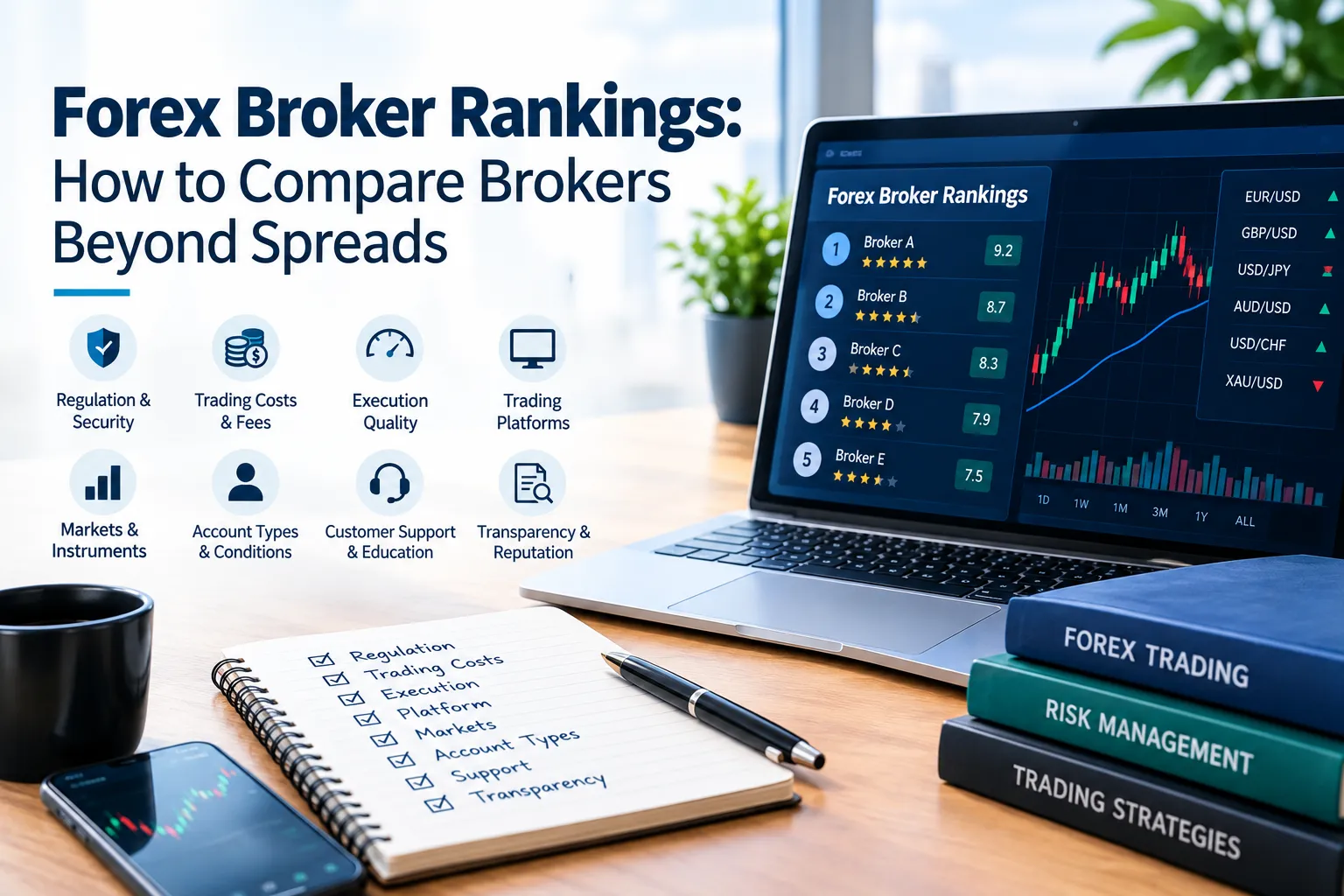
Different comparison platforms assign different weights to regulatory status, trading fees, platform usability, customer support, and available instruments. A website that gives greater importance to regulatory compliance may produce a different ranking from one that emphasizes low trading costs.
Traders should therefore review the criteria behind each ranking rather than assuming that the highest-ranked broker is automatically the best choice.
Conclusion
Regional regulations can influence forex broker rankings by affecting licensing, client protection, leverage, and service availability. Understanding these factors helps traders compare brokers more responsibly and recognize why rankings differ across websites.
Before opening an account, verify the broker's regulatory status, the legal entity serving your region, and the rules applicable to your trading activities. A well-informed comparison should prioritize suitability, transparency, and regulatory compliance rather than rankings alone.






















Sign in to leave a comment.