How Regular Home Inspections Help Prevent Costly Repairs

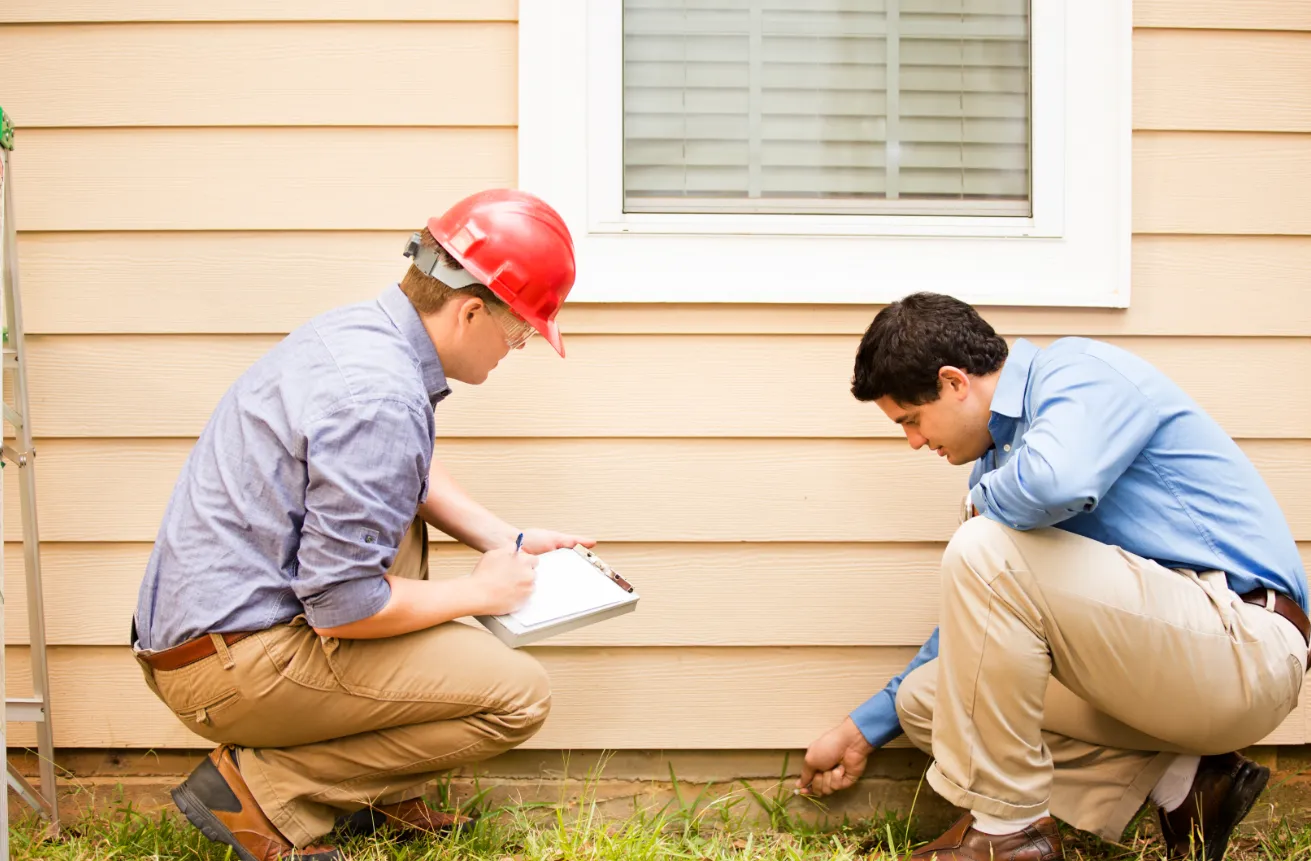
A home requires ongoing care to remain safe, comfortable, and functional. While some problems are easy to notice, others develop gradually behind walls, beneath flooring, or within essential household systems. Regular inspections help homeowners identify early warning signs, plan maintenance tasks, and address potential issues before they become more complicated.
Whether you own an older property or a recently built house, understanding the importance of routine inspections can help you make informed decisions about repairs and long-term property maintenance.
Identify Early Signs of Property Damage
Small changes around the home can indicate underlying problems. Water stains on ceilings, peeling paint, unusual odours, cracked caulking, and damaged flooring may point to moisture intrusion or general wear.
Inspecting these areas periodically helps homeowners decide when professional assistance may be necessary. For example, persistent dampness around windows or ceilings should be investigated rather than covered with fresh paint.
Professional home inspection services can help assess visible concerns and identify areas that may require further investigation. The appropriate inspection depends on the property's age, condition, and specific warning signs.
Addressing problems early may help limit secondary damage and make repairs easier to organise.
Check Roofing and Drainage Systems
Roofs and drainage systems protect a property from rain, wind, and other environmental conditions. Damaged shingles, loose flashing, clogged gutters, and poorly directed downspouts can increase the risk of water entering the building.
Homeowners should look for visible signs of roof deterioration and check whether rainwater drains away from the foundation. After severe weather, an exterior inspection from a safe location can help identify obvious damage.
Qualified roofing services can assess suspected leaks, damaged roofing materials, and other concerns that require professional attention. Regular gutter cleaning services can also help maintain drainage and reduce the likelihood of water overflowing near walls or foundations.
Roof inspections should be carried out by trained professionals whenever accessing the roof would create a safety risk.
Maintain Heating, Cooling, and Ventilation Equipment
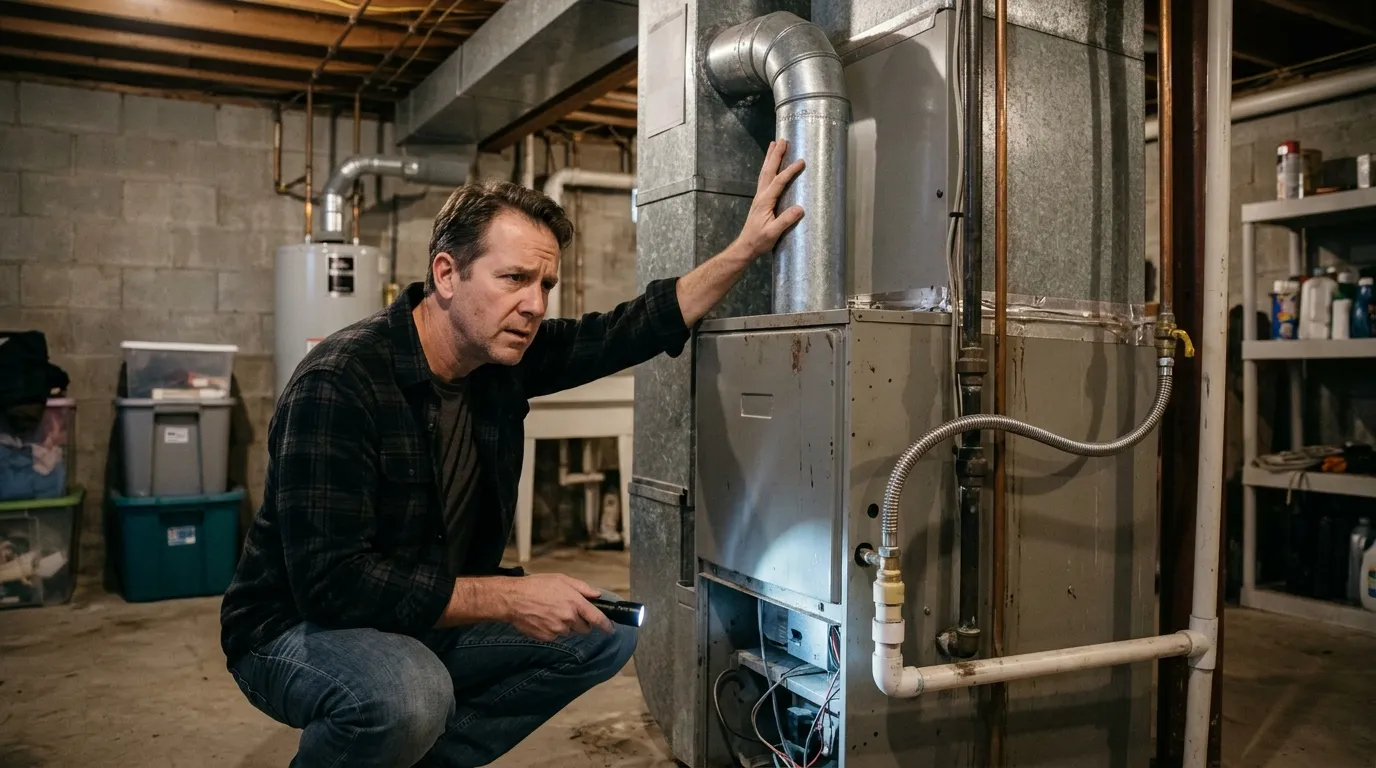
Heating and cooling systems require routine attention to operate reliably. Dirty filters, restricted airflow, unusual noises, and inconsistent temperatures may indicate maintenance needs or developing equipment problems.
Homeowners can follow manufacturer recommendations for basic maintenance, including replacing or cleaning filters where appropriate. More complex servicing, refrigerant-related work, and repairs should be handled by qualified technicians.
Professional HVAC maintenance services can help assess system performance, inspect relevant components, and identify potential concerns before periods of heavy use.
Ventilation also deserves attention. Proper airflow and effective exhaust fans can help manage indoor moisture, particularly in kitchens, bathrooms, and laundry areas.
Look for Plumbing Leaks and Water Damage
Plumbing problems do not always begin with a major leak. A slow-draining sink, a continuously running toilet, reduced water pressure, or dampness beneath a cabinet may indicate an issue that needs attention.
Check visible pipes, taps, water connections, and areas around appliances for signs of moisture. If water stains keep returning or a musty smell persists, investigate the source instead of simply treating the surface.
Professional plumbing repair services can help identify leaking connections, blocked drains, faulty fixtures, and other plumbing concerns. Prompt attention may also help reduce unnecessary water consumption and prevent damage to surrounding materials.
If a leak is substantial, shut off the water supply when safe to do so and arrange appropriate assistance.
Inspect Electrical Fixtures and Safety Equipment
Electrical systems should be checked for visible damage and signs of malfunction. Flickering lights, frequently tripping circuit breakers, discoloured outlets, and burning smells should never be ignored.
Homeowners should avoid opening electrical panels or attempting repairs beyond their competence. Contact an appropriately licensed electrician to investigate suspected faults and determine whether repairs or upgrades are necessary.
Professional electrical services can address issues involving wiring, outlets, lighting, circuit protection, and other electrical components.
It is also important to test smoke alarms and carbon monoxide alarms according to the manufacturer's instructions and applicable safety guidance.
Maintain Walls, Windows, Doors, and Foundations
Exterior walls, windows, doors, and foundations help protect the home from weather and unwanted moisture. Over time, sealants may deteriorate, paint may peel, and small cracks may appear.
Check window and door seals for gaps, look for water penetration around frames, and monitor cracks that change in size or appear alongside sticking doors or uneven floors. Not every crack indicates a serious structural problem, but progressive changes should be assessed by a qualified professional.
Timely home repair services can help address deteriorating sealants, damaged trim, and other maintenance issues. More significant structural concerns may require an assessment from a specialist.
Plan Repairs and Maintenance Within Your Budget
Once inspection concerns have been identified, organise them according to urgency. Safety hazards, active leaks, and problems that could cause rapid damage should receive priority. Cosmetic improvements and non-urgent upgrades can usually be scheduled later.
Obtain written estimates for substantial projects and compare the proposed work, materials, timelines, warranties, and payment terms. Keeping records of previous repairs and maintenance can also help contractors understand the property's history.
Homeowners searching for reliable home service professionals can use Home Service Bureau to find service providers across categories such as roofing, HVAC, plumbing, electrical work, and renovations. Before hiring, verify the contractor's qualifications, insurance, and suitability for the job.
Frequently Asked Questions
How often should a home be inspected?
The appropriate frequency depends on the property's age, condition, climate, and maintenance history. Many homeowners perform basic visual checks regularly and arrange professional inspections when recommended or when warning signs appear.
What are the most common signs that a home needs repairs?
Common warning signs include water stains, persistent dampness, damaged roofing materials, unusual electrical behaviour, plumbing leaks, unusual HVAC noises, and cracks that continue to grow.
Can regular maintenance reduce repair expenses?
Preventive maintenance can help identify problems earlier and reduce the risk of some avoidable damage. However, it cannot eliminate every unexpected repair or guarantee a particular level of savings.
Should I inspect my home myself or hire a professional?
Homeowners can perform simple visual checks and routine maintenance. Professional assistance is recommended for complex systems, suspected structural damage, electrical faults, roof access, and problems requiring specialised tools or qualifications.
How do I find a suitable home repair contractor?
Look for relevant experience, required licences, appropriate insurance, clear written estimates, references, and transparent project terms. Confirm that the professional has the skills needed for your specific repair.
What is the benefit of keeping home maintenance records?
Maintenance records help track completed repairs, recurring issues, equipment servicing, warranties, and upcoming tasks. This information can support better budgeting and help professionals understand previous work on the property.



Sign in to leave a comment.