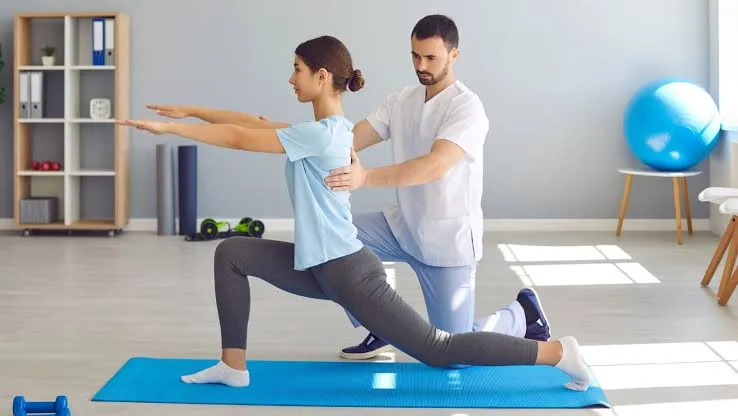

An injury may seem to heal once pain and swelling begin to decrease, but returning to normal activities does not always mean the body has completely regained its previous strength and movement. Without appropriate rehabilitation, some people may return to demanding activities before they are physically prepared, which can contribute to recurring problems.
Rehabilitation can help restore strength, flexibility, balance, coordination, and movement patterns after an injury. It is often an important part of recovery because it focuses not only on reducing symptoms but also on improving the physical factors that may have contributed to the original injury.
Why Do Injuries Sometimes Come Back?
Several factors can contribute to recurring injuries. These may include incomplete recovery, muscle weakness, limited flexibility, poor movement mechanics, sudden increases in activity, or returning to sports or work too quickly.
For example, after a knee injury, a person may feel better but still have weakness in the muscles supporting the knee. Returning immediately to running or other high-impact activities may place additional stress on the affected area.
Similarly, someone recovering from back pain may resume lifting or exercise without addressing underlying strength or movement limitations.
This is why symptom improvement and physical recovery are not always the same thing.
What Is Rehabilitation?
Rehabilitation is a structured process that helps restore physical function after an injury or condition affecting movement. Depending on the problem, it may involve physical therapy, therapeutic exercise, mobility training, strengthening, balance work, and gradual return to normal activities.
A rehabilitation program is generally tailored to the person's injury, current abilities, lifestyle, and functional goals.
The program can also change as the person becomes stronger and more comfortable with movement.
Rest Alone May Not Be Enough
Rest can be useful during the early stages of certain injuries, particularly when movement aggravates symptoms. However, prolonged inactivity may contribute to muscle weakness and reduced physical conditioning.
Once appropriate movement is safe, gradually reintroducing activity can help rebuild strength and mobility.
The timing and type of activity depend on the injury. A healthcare professional or physical therapist can help determine when and how activity should be increased.
Strengthening the Supporting Muscles
Weak muscles can affect how forces are distributed throughout the body. Rehabilitation often includes strengthening exercises designed to improve support around an injured area.
For example, rehabilitation following certain knee injuries may include exercises targeting the quadriceps, hamstrings, glutes, and other muscles involved in lower-body movement.
For back-related problems, exercises may focus on the core, hips, and muscles that support posture and movement.
Building strength gradually can help improve physical capacity and make everyday movements more manageable.
Improving Flexibility and Mobility
Limited flexibility or joint mobility can affect movement patterns. When one area does not move effectively, other parts of the body may compensate.
Rehabilitation may therefore include stretching and mobility exercises based on the individual's needs.
Improving mobility does not mean forcing a joint or muscle beyond its comfortable range. Exercises should be performed in a controlled manner and progressed according to tolerance.
Correcting Movement Patterns
How a person moves can sometimes contribute to repeated stress on a particular area. Rehabilitation may include movement retraining to help patients develop more efficient techniques.
This can be particularly relevant for athletes, people with physically demanding jobs, or individuals who repeatedly perform certain movements.
A rehabilitation professional may observe activities such as walking, squatting, lifting, reaching, or sport-specific movements and identify areas that may benefit from improvement.
Returning to Activity Gradually
One common mistake after an injury is increasing activity too quickly once symptoms begin to improve.
A gradual return allows the body to adapt to increasing physical demands. Someone returning to running, for example, may begin with shorter periods of lower-intensity activity before progressing.
The same principle can apply to strength training, sports, work-related activities, and other physically demanding tasks.
A gradual progression should be based on the individual's condition rather than a fixed timeline.
Rehabilitation for Back and Spine Conditions
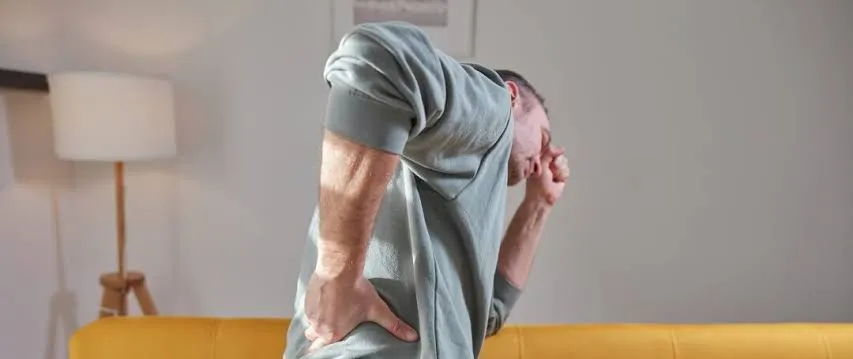
Back problems can sometimes return when underlying strength, mobility, or movement limitations are not addressed.
A rehabilitation program may include exercises that improve core strength, hip mobility, posture, and movement control. It may also teach patients how to perform certain activities with better body mechanics.
People experiencing recurring or persistent back symptoms can consult a Back Pain Doctor in Newport Beach to discuss potential causes and appropriate treatment options.
Rehabilitation for Knee and Joint Injuries
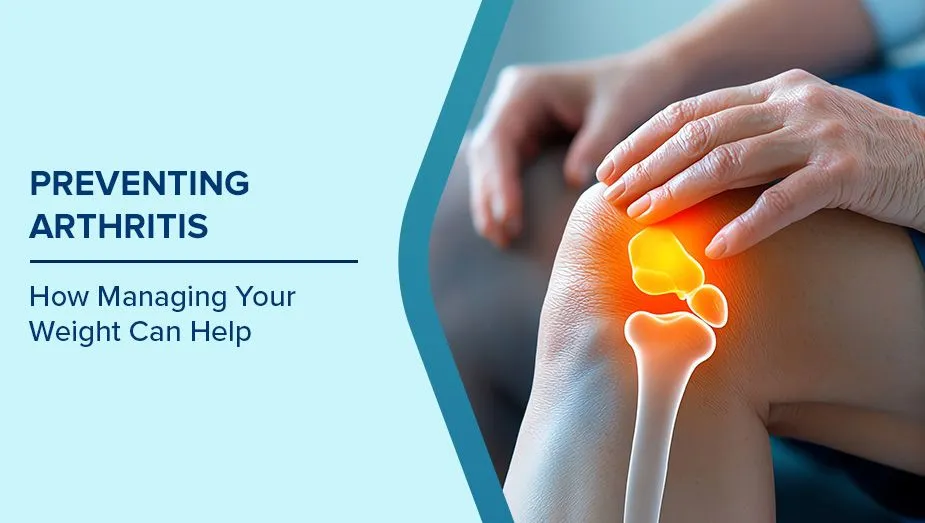
Knee and joint injuries may affect strength, balance, mobility, and confidence with movement. Rehabilitation can help gradually restore these abilities.
Depending on the condition, exercises may focus on strengthening the muscles around the affected joint, improving balance, increasing mobility, and practicing functional movements.
Individuals dealing with recurring knee symptoms can discuss their condition with a Knee Pain Doctor in Newport Beach to determine whether additional evaluation or treatment may be appropriate.
Where Regenerative Treatments May Fit
Some patients with specific musculoskeletal conditions may consider treatments such as platelet-rich plasma, or PRP, as part of a broader treatment plan. PRP uses a concentrated portion of a patient's own blood and is being studied for various joint, tendon, and soft-tissue conditions.
Research outcomes vary depending on the condition, treatment protocol, and individual factors. PRP should not be viewed as a replacement for appropriate rehabilitation.
Patients considering PRP Injections for Natural Rejuvenation can discuss whether the treatment is appropriate and how rehabilitation may fit into their overall care plan.
Listening to Your Body During Recovery
Some soreness may occur when rebuilding strength after a period of inactivity. However, significant or progressively worsening pain should not simply be ignored.
If symptoms increase substantially, rehabilitation activities may need to be modified. A physical therapist or healthcare professional can help determine whether an exercise, technique, or activity level needs to be changed.
Patients should also pay attention to new symptoms such as significant weakness, numbness, instability, or swelling.
Building Long-Term Physical Habits
Rehabilitation should not necessarily end as soon as formal treatment sessions are completed. Continuing appropriate strength, mobility, and conditioning exercises can help maintain physical capacity.
Patients can also benefit from learning how to warm up before demanding activities, increase exercise intensity gradually, use appropriate techniques, and allow adequate recovery between strenuous sessions.
These habits can support long-term physical function, although no rehabilitation program can guarantee that an injury will never recur.
When Should You Seek Professional Help?
Professional evaluation may be appropriate when an injury continues to cause pain, repeatedly returns, causes instability, or limits normal activities.
Prompt medical assessment is particularly important after significant trauma or when symptoms include severe weakness, major numbness, fever, or bowel or bladder changes.
Getting evaluated does not automatically mean surgery or an invasive procedure is required. Depending on the condition, non-surgical treatment and rehabilitation may be appropriate.
Final Thoughts
Rehabilitation can play an important role in reducing the factors that may contribute to recurring injuries. By gradually rebuilding strength, improving mobility, developing better movement patterns, and increasing activity tolerance, rehabilitation can help prepare the body for everyday and physical demands.
The most effective approach depends on the type of injury, the individual's physical condition, and their goals. A personalized rehabilitation plan can provide a structured path from initial recovery toward a safer return to normal activities.
Rather than returning to full activity as soon as pain decreases, focusing on strength, movement, and function can help support a more complete recovery.





















Sign in to leave a comment.