

The restaurant industry has always been driven by innovation, from the introduction of the drive-thru to the rise of online ordering platforms. Today, one of the most significant technological shifts reshaping how establishments operate is the adoption of restaurant digital menus and restaurant digital menu boards. These tools are no longer novelty additions reserved for fast-food chains or tech-forward startups. They have become essential instruments for improving efficiency, enhancing customer experience, and driving revenue across all types of dining establishments.
Understanding the Difference Between Digital Menus and Digital Menu Boards
Before exploring the benefits, it is important to distinguish between these two related but distinct technologies. A restaurant digital menu typically refers to an interactive or viewable menu accessible on personal devices, tablets, or kiosks. Customers can browse items, customize orders, and even pay directly through these interfaces. On the other hand, a restaurant digital menu board is a large-format display positioned behind the counter or in prominent locations within the establishment. It serves as the primary visual reference for walk-in customers deciding what to order.
Both serve the same fundamental purpose, communicating available food and beverage options, but they operate in different contexts and offer unique advantages. Together, they create a cohesive digital ecosystem that streamlines operations from the front of house to the kitchen.
Why Restaurants Are Embracing Digital Menu Technology
The shift toward digital displays is not merely a trend driven by aesthetics. It is a strategic response to evolving consumer expectations and operational demands. Modern diners are accustomed to instant information, visual stimulation, and personalized experiences. Traditional printed menus cannot always keep pace with these expectations.
Enhanced Visual Appeal and Food Presentation
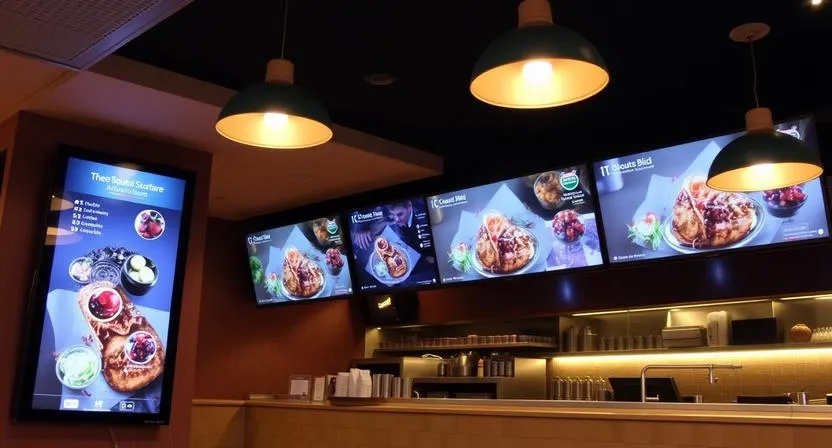
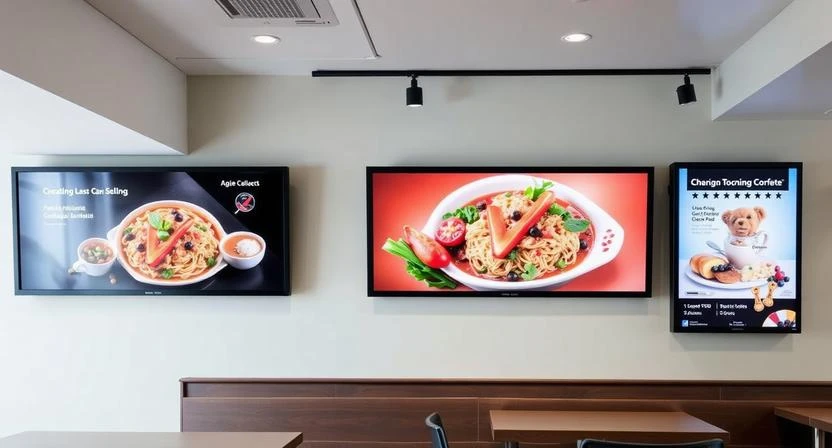
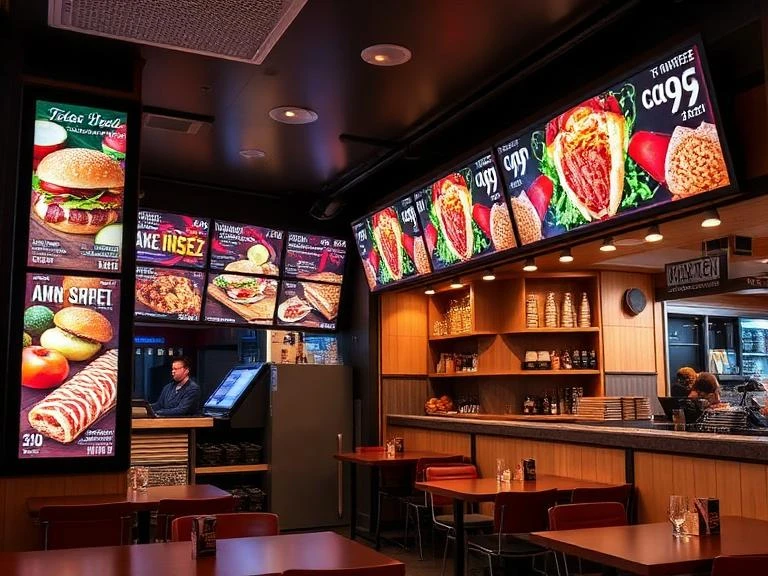
One of the most immediate benefits of a restaurant digital menu board is the ability to showcase food in stunning high-definition imagery. Unlike static photographs that fade or become outdated, digital screens display vibrant, rotating images that capture the essence of each dish. This visual storytelling is particularly powerful for signature items or seasonal specials that the establishment wants to highlight.
For restaurants operating in competitive markets, the ability to make food look irresistible on a large screen can influence a customer’s decision. The psychological impact of seeing a perfectly grilled steak or a colorful bowl of fresh pasta can be considerable.
Real-Time Updates and Operational Agility
Restaurants operate in a constantly changing environment. Ingredients run out, prices fluctuate, and customer preferences shift with the seasons. A printed menu becomes obsolete the moment any of these variables change. Digital displays, however, can be updated instantly across all screens with just a few clicks.
This agility extends to dayparting as well. A restaurant digital menu board can display a breakfast menu in the morning, transition to lunch options by midday, and showcase dinner specials in the evening, all without any manual intervention. This capability ensures that customers always see the most relevant and current offerings, reducing confusion and improving satisfaction.
Reducing Wait Times and Improving Flow
Efficiency is the lifeblood of any successful restaurant. Long wait times at the counter or ordering kiosk can lead to frustration, abandoned orders, and lost revenue. Digital menu boards help mitigate these issues by presenting information clearly and concisely. When customers can quickly scan options and make decisions, the entire ordering process accelerates.
Interactive restaurant digital menus take this a step further by allowing customers to customize their orders, view nutritional information, and complete transactions without staff assistance. This self-service model not only speeds up service but also frees up employees to focus on food preparation and hospitality.
The Role of Digital Menus in Brand Consistency
For restaurant chains with multiple locations, maintaining brand consistency is a persistent challenge. Each franchise or branch may interpret signage and menu layouts differently, leading to a fragmented brand experience. Digital menu boards solve this problem by ensuring that every location displays the same visual identity, pricing, and messaging.
Centralized management systems allow head offices to push updates to all screens simultaneously, guaranteeing uniformity regardless of geographic location. This level of control is invaluable for maintaining quality standards and reinforcing brand recognition.
Personalization and Data-Driven Insights
Beyond visual appeal and operational efficiency, digital menus open the door to personalization. Some advanced systems can tailor menu recommendations based on the time of day, customer demographics, or even past ordering behavior. A customer who frequently orders vegetarian dishes might see plant-based options prioritized, while another might be shown premium upsell items.
Additionally, digital menu systems can generate valuable data. Restaurant owners can track which items receive the most engagement, how customers interact with menu content, and which promotions perform best. This data can inform menu engineering decisions, helping establishments optimize their offerings for profitability and customer satisfaction.
Addressing Common Concerns
Despite the clear advantages, some restaurant owners remain hesitant about transitioning to digital menus. Concerns about cost, technical complexity, and reliability are common. However, the decreasing cost of hardware and the availability of user-friendly software platforms have made digital signage more accessible than ever.
Modern systems are designed for ease of use, with intuitive interfaces that require minimal technical expertise. Cloud-based management means updates can be made from anywhere, and automatic backups help protect content. As for reliability, reputable providers typically offer support and maintenance packages to minimize downtime.
The Environmental and Economic Case
Sustainability is another compelling reason to adopt digital menus. Printed menus require paper, ink, and regular replacement. They contribute to waste and have a measurable environmental impact. Digital displays can significantly reduce the need for repeated printing, aligning with the growing consumer preference for eco-conscious businesses.
Economically, the long-term savings can also be substantial. While the initial investment in screens and software may seem significant, the ongoing costs of printing, design, and distribution are reduced or eliminated. Restaurants can redirect those savings toward other areas of the business, such as staff training or ingredient quality.
Looking Ahead The Future of Restaurant Menus
As technology continues to advance, the capabilities of restaurant digital menus and digital menu boards will only expand. Integration with artificial intelligence, voice ordering, and augmented reality is already on the horizon. Imagine a customer pointing their phone at a menu board and seeing a three-dimensional rendering of a dish appear on their screen, complete with ingredient details and allergen warnings.
The restaurants that embrace these technologies today will be better positioned to thrive in the increasingly competitive and digitally driven marketplace of tomorrow. The transition from paper to pixels is not just about keeping up with trends. It is about delivering a superior experience that meets the expectations of modern diners while optimizing operations for long-term success.
In an industry where margins are tight and competition is fierce, every advantage counts. Restaurant digital menus and digital menu boards offer a powerful combination of visual appeal, operational efficiency, and data-driven intelligence. They represent a fundamental shift in how restaurants communicate with their customers, and that shift is only just beginning.





















Sign in to leave a comment.