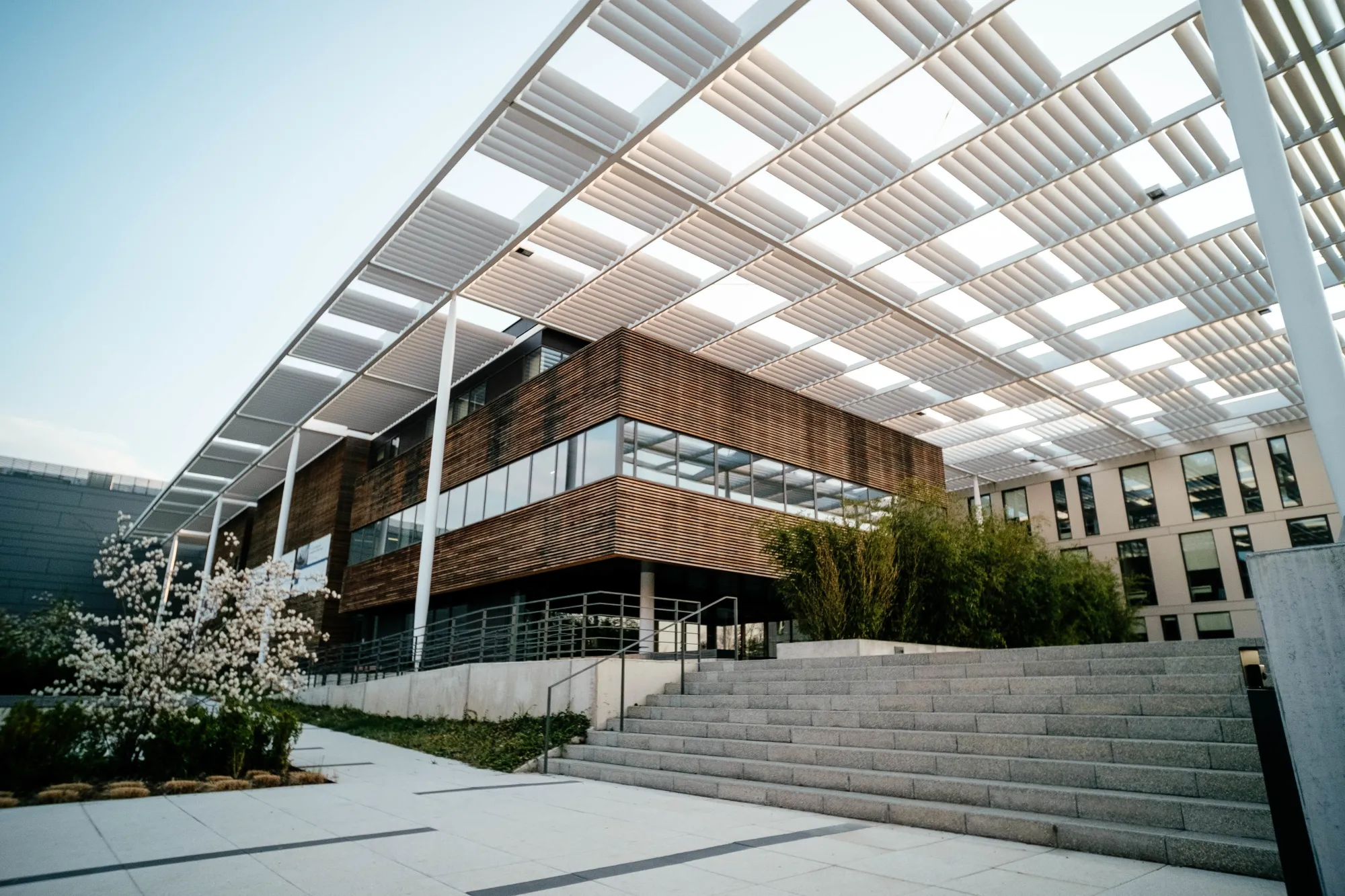

Modern architecture is increasingly focused on creating spaces that can adapt to changing weather without compromising design or usability. A retractable roof provides this flexibility by allowing an outdoor area to remain open when the weather is pleasant and protected when rain, strong sunlight, or other conditions make the space uncomfortable. From residential terraces and balconies to restaurants, resorts, swimming pools, and large commercial spaces, retractable roof systems are becoming an intelligent approach to adaptable outdoor design.
Unlike a conventional fixed roof, an outdoor retractable roof can change the character of a space according to its immediate requirements. Depending on the project, homeowners and businesses can consider sliding roofs, folding roofs, motorised systems, louvered roofs, polycarbonate structures, fabric solutions, or glass retractable roofs.
What Makes a Retractable Roof Different?
A traditional roof provides permanent protection, but it also creates a fixed boundary between the interior and exterior. A retractable system introduces another possibility: controlled openness.
With a motorised outdoor roof, users can open or close the roof when required. This makes it possible to enjoy natural daylight and open skies while still having access to weather protection.
Modern systems can be designed around different architectural requirements, including:
- Retractable roof systems
- Sliding roof
- Folding roof
- Collapsible roof
- Openable roof
- Motorised roof
- Automatic roof
- Telescopic roof
- Retractable pergola
- Retractable outdoor roof
Arkayu offers customised retractable solutions designed according to the site, architectural requirements, dimensions, finishes, and preferred control system.
Retractable Roofs for Different Outdoor Spaces
One of the strongest advantages of retractable roofing is its adaptability. The same design principle can be applied to multiple types of residential and commercial environments.
Retractable Roof for Terrace
A retractable roof for terrace can convert an exposed rooftop into a more usable living or entertainment area. A terrace motorised roof, terrace movable roof, or openable terrace roof allows the space to transition between an open-air environment and a protected zone.
This can be particularly useful for homeowners who want to use their terrace for dining, relaxation, gatherings, or other activities throughout changing weather conditions.
Balcony Retractable Roof
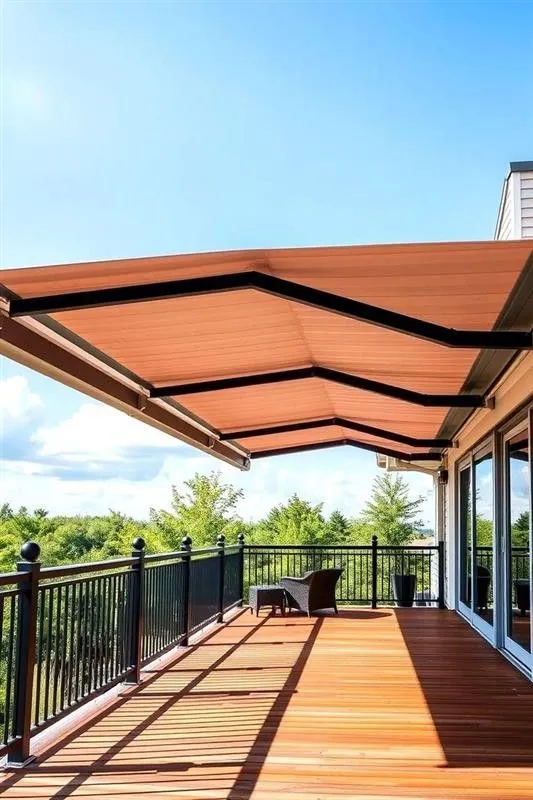
Balconies are often exposed to direct sunlight and rain, limiting how frequently they can be used. A balcony retractable roof or motorised balcony roof can provide greater flexibility while maintaining the openness associated with a balcony.
Depending on the architectural requirement, options can include an automatic balcony roof, balcony openable roof, or balcony retractable ceiling.
Swimming Pool Retractable Roof
A pool area can become significantly more versatile with a Swimming pool Retractable Roof. An automatic swimming pool roof, motorised swimming pool roof, or swimming pool sliding roof can provide a way to manage exposure while maintaining the visual connection with the outdoors.
Retractable pool enclosures can also be considered for residential properties, resorts, clubs, and hospitality projects.
Skylight and Atrium Roofs
Natural light is an important part of contemporary architecture. A retractable skylight roof or skylight sliding roof can provide controlled access to daylight while allowing the opening to be adjusted when required.
Similarly, large buildings can use an atrium retractable roof, atrium sliding roof, or motorised atrium roof to create adaptable central spaces.
These solutions can be particularly relevant to commercial buildings, hospitality developments, institutional spaces, and mall atriums.
Retractable Roofing for Restaurants and Resorts
Outdoor dining has become an important part of hospitality design. However, restaurants need to balance open-air experiences with protection from unpredictable weather.
A restaurant retractable roof allows a dining space to switch between an open environment and a covered setting. Options such as a restaurant motorised roof, restaurant automatic roof, or restaurant openable roof can help create greater flexibility for different operating conditions.
Resorts can use similar concepts to create adaptable outdoor lounges, dining areas, poolside spaces, and event zones. A retractable resort roof, resort motorised roof, or resort openable roof can contribute to a more versatile hospitality environment.
Arkayu's current product range includes solutions for restaurants, resorts, terraces, swimming pools, patios, courtyards, and several other applications.
Choosing Between Polycarbonate, Fabric, Glass and Louvered Roofs
The ideal roofing system depends on the project's functional and architectural requirements.
Polycarbonate Retractable Roof
A Retractable Polycarbonate Roof can be suitable when natural light, weather protection, durability, and a contemporary appearance are important. Polycarbonate systems can be designed for terraces, patios, restaurants, courtyards, and similar environments.
PVDF Fabric Retractable Roof
A PVDF fabric system can provide a sophisticated architectural appearance while offering controlled shade and weather protection. Arkayu's PVDF system uses coated fabric and motorised operation and is positioned for luxury residences, rooftop cafés, resorts, courtyards, and similar spaces.
Retractable Glass Roof
For projects where transparency and premium aesthetics are priorities, a retractable glass roof can create a strong visual connection with the sky and surroundings.
Louvered Roof
A louvered roof provides another approach to controlling sunlight, ventilation, and shade. Arkayu's bioclimatic aluminium louver system uses motorised pivoting louvers and can be configured for terraces, rooftop spaces, villas, pool decks, and hospitality environments.
Why Motorisation Matters
Manual operation may be suitable for smaller installations, but larger or frequently used systems can benefit from automation.
A motorised roof allows the roof to be operated with minimal physical effort. Depending on the system, automation can also be integrated with sensors and control mechanisms.
For example, Arkayu's product range includes motorised solutions using precision-engineered components, while some systems incorporate features such as lighting, drainage, weather sensors, and automated controls.
The objective is not simply automation for its own sake. It is about making the outdoor environment easier to control according to changing requirements.
Factors to Consider Before Installing a Retractable Roof
Choosing the right system requires more than selecting a roof style. Several factors should be evaluated before installation.
1. Space and Dimensions
The available area, span, height, supporting structure, and movement requirements determine which roofing configuration is appropriate.
2. Weather Conditions
Wind, rain, sunlight, humidity, and other site-specific conditions should be considered during system design.
3. Material Selection
Polycarbonate, fabric, aluminium louvers, and glass each provide different visual and functional characteristics. Material selection should be based on the project's intended use.
4. Drainage
A well-designed system should incorporate appropriate water-management and drainage details, particularly for installations exposed to heavy rainfall.
5. Automation Requirements
Consider whether the roof should be manual, motorised, partially automated, or fully automated.
6. Architectural Appearance
A retractable roof should complement the existing building rather than appear as an unrelated addition. Frame colour, finish, roof geometry, glazing, and other details can be customised according to the project.
Arkayu states that its retractable roofs are custom-designed around site conditions, dimensions, control type, colours, and finishes.
Retractable Roofs as an Investment in Flexible Architecture
The real value of a retractable roof goes beyond weather protection. It allows a single space to serve multiple purposes.
A terrace can become an outdoor dining area. A restaurant can create an adaptable open-air section. A swimming pool can gain additional protection. A courtyard can become a comfortable gathering space. A commercial atrium can benefit from controlled exposure to daylight.
This adaptability is why retractable roofing solutions are increasingly relevant to modern residential and commercial architecture.
Instead of designing separate spaces for every weather condition, a flexible roofing system can help one space respond to different situations.
Frequently Asked Questions About Retractable Roofs
1. What is a retractable roof?
A retractable roof is an operable roofing system that can open, close, slide, fold, or adjust according to the design and operating mechanism. It provides greater control over outdoor exposure than a fixed roof.
2. Can a retractable roof be motorised?
Yes. Many modern systems can be motorised. Depending on the design, automated operation can be incorporated into fabric, polycarbonate, glass, or louvered roofing systems.
3. Where can retractable roofs be installed?
They can be designed for terraces, balconies, swimming pools, patios, skylights, courtyards, atriums, restaurants, resorts, banquet halls, sports facilities, educational institutions, and other suitable spaces.
4. Is a retractable roof suitable for residential properties?
Yes. Residential applications include retractable roof for terrace, balconies, swimming pools, patios, courtyards, and skylights.
5. Can retractable roofs be customised?
Yes. Customisation can include dimensions, materials, colours, finishes, operating mechanisms, and other project-specific requirements.
Build a More Adaptable Outdoor Space
A modern outdoor area does not have to remain permanently exposed or permanently enclosed. A well-designed retractable roof provides a middle ground where openness and protection can coexist.
Whether the requirement is a retractable roof for terrace, motorised balcony roof, Retractable Swimming pool Roof, restaurant movable roof, retractable resort roof, sliding skylight roof, or retractable courtyard roof, the right system should be selected according to the architecture, usage, climate, and long-term requirements of the space.
With customised solutions across fabric, polycarbonate, glass, and louvered systems, Arkayu focuses on creating adaptable outdoor environments that combine functionality with contemporary architectural design.
Ready to transform an open space into a more flexible environment? Explore Arkayu's retractable roof solutions and choose a system designed around your project's requirements.
Frequently Asked Questions
What are the benefits of installing a retractable roof?
Retractable roofs offer significant advantages such as increased adaptability, allowing spaces to transition between open-air and protected environments. They enhance usability for various outdoor spaces, including terraces, balconies, and restaurants, ensuring comfort regardless of weather conditions.
How does a motorised retractable roof work?
A motorised retractable roof operates through an automated system that allows users to open or close the roof with minimal physical effort. These systems can include sensors for weather conditions and are designed for ease of use, making them ideal for larger or frequently accessed spaces.
What materials are commonly used for retractable roofs?
Common materials for retractable roofs include polycarbonate, fabric, glass, and aluminium. Each material offers different benefits, such as durability, aesthetic appeal, and light control, allowing for tailored solutions based on the specific needs of the project.
Can retractable roofs be installed in residential areas?
Yes, retractable roofs are highly suitable for residential applications. They can be installed on terraces, balconies, patios, and even swimming pools, enhancing the functionality and comfort of outdoor living spaces.
What factors should be considered before installing a retractable roof?
Key factors include the available space and dimensions, local weather conditions, material selection, drainage design, and whether the system should be manual or motorised. It's essential to ensure that the retractable roof complements the existing architecture and meets the project's intended use.
Are retractable roofs customizable?
Absolutely! Retractable roofs can be customized to fit specific dimensions, materials, colors, and finishes, as well as chosen operating mechanisms. This flexibility allows for a tailored design that aligns with the architectural requirements and aesthetic preferences of the project.
What types of outdoor spaces can benefit from retractable roofs?
Retractable roofs can enhance a variety of outdoor spaces including residential terraces, balconies, commercial restaurants, resorts, swimming pools, courtyards, and atriums. Their versatility allows for improved usability and comfort in both residential and commercial settings.





















Sign in to leave a comment.