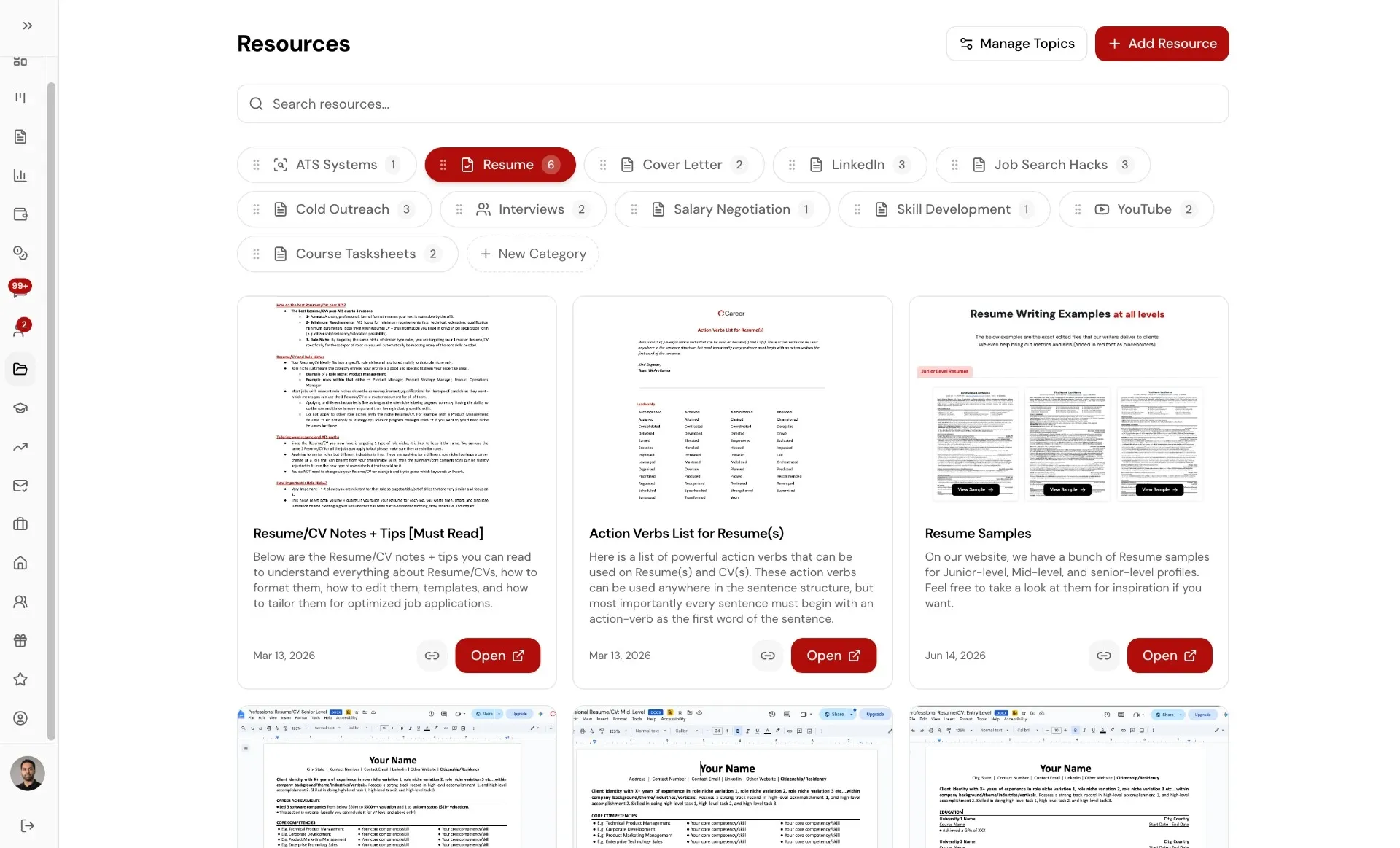

Searching for a better job can become overwhelming when professionals are expected to manage everything on their own. Finding suitable openings, tailoring applications, contacting recruiters, preparing for interviews, and tracking progress can quickly turn into a full-time responsibility. This is where a more organized and candidate-focused model can make a meaningful difference. Reverse Recruiting Companies approach the job search from the professional’s perspective, helping candidates create a clearer strategy and stay focused on opportunities that match their experience, goals, and career direction.
What Reverse Recruiting Means for Job Seekers
Reverse recruiting changes the traditional idea of how a job search is managed. Instead of waiting for the right opportunity to appear or submitting applications randomly, the candidate receives structured support throughout the process. The goal is to identify appropriate positions, develop a practical application strategy, and maintain consistent activity toward securing a new role.
For professionals who already have demanding careers, this approach can reduce the amount of time spent handling repetitive job-search tasks. A reverse recruiting service may assist with identifying relevant opportunities, organizing applications, supporting recruiter communication, and preparing the candidate for interviews.
The process can be particularly useful for junior and mid-level professionals as well as senior managers, directors, vice presidents, and technology sales and go-to-market professionals. Each career stage presents different challenges, so personalized support can help ensure that the search reflects the candidate's experience rather than relying on a generic job-search formula.
How Candidate-Focused Recruiting Differs From Traditional Recruitment
Traditional recruitment generally begins with an employer that has a specific position to fill. The recruiter searches for candidates who appear to match that opening. A candidate-focused approach begins with the professional and considers what type of position would represent a meaningful next step.
This distinction can change the entire job-search experience. Instead of simply asking whether a candidate fits an available position, the process considers career objectives, professional strengths, desired responsibilities, compensation expectations, and long-term direction.
Reverse Recruiting Companies can provide support that remains centered on the candidate throughout the search. This may include identifying appropriate opportunities, helping organize applications, and providing guidance as the professional moves from initial interest toward interviews and potential offers.
A candidate-focused process does not mean applying to every available position. It means creating a more selective strategy in which opportunities are evaluated according to their relevance and potential value.
The Role of Personalized Career Guidance
Career advancement rarely follows exactly the same path for every professional. Someone seeking a first management position may require a different strategy from an experienced executive pursuing a senior leadership opportunity. Personalized career guidance allows the job search to account for these differences.
One-on-one coaching can help professionals clarify what they want from their next position and recognize how their existing experience can support that goal. It can also provide an opportunity to refine professional messaging, identify areas that need improvement, and establish realistic milestones for the search.
Personalized guidance becomes especially valuable when a professional is changing industries, moving into a different type of role, pursuing greater responsibility, or seeking a position with stronger compensation. Rather than approaching the search as a series of disconnected applications, coaching can help turn it into a coordinated career strategy.
How Targeted Applications Can Improve a Job Search
Sending large numbers of applications does not necessarily create better results. When applications are submitted without considering the requirements of each position, professionals can spend substantial time pursuing opportunities that are poorly aligned with their background.
Targeted applications take a more deliberate approach. The candidate identifies positions that match their skills, experience, and career objectives before investing time in the application process. Relevant professional achievements can then be emphasized in a way that speaks directly to the opportunity.
This approach can also make job-search activity easier to measure. Instead of focusing only on the number of applications submitted, candidates can pay attention to the quality of opportunities pursued, responses received, interviews generated, and progress toward their ultimate career objective.
For busy professionals, having assistance with targeted applications can also reduce the administrative burden associated with an active job search. It creates more room to focus on current professional responsibilities while maintaining momentum toward the next opportunity.
Why Recruiter Outreach Matters
A strong job search involves more than responding to publicly available positions. Recruiter outreach can create additional opportunities for professionals whose experience may be relevant to roles that are not immediately visible through standard job searches.
Effective outreach should be relevant and purposeful. Generic messages are unlikely to communicate why a professional could be valuable to a particular organization. A more thoughtful approach considers the candidate's background, the type of role being pursued, and the needs associated with the opportunity.
Reverse recruiting support can help professionals approach recruiter communication more strategically. Consistent outreach also gives candidates a structured way to expand their professional visibility without relying entirely on applications submitted through job boards.
For experienced professionals, this can be particularly important. Leadership and specialized positions may require a stronger emphasis on professional positioning, relationships, and direct communication. Recruiter outreach can complement applications by creating another channel through which opportunities can develop.
Building a More Organized Job Search Strategy
One of the biggest advantages of a structured job search is consistency. Without a clear process, candidates may spend several days applying intensely and then lose momentum because of work responsibilities, uncertainty, or frustration.
An organized strategy creates a repeatable system. Candidates can establish target roles, identify suitable organizations, prioritize applications, monitor recruiter outreach, prepare for interviews, and review progress regularly. Tracking these activities makes it easier to understand what is working and where adjustments may be needed.
A structured process can also make the search feel more manageable. Instead of treating job searching as an endless task, professionals can break it into practical stages. Career positioning comes first, followed by opportunity identification, targeted applications, networking or recruiter outreach, interview preparation, and continued follow-up.
Reverse Recruiting Companies can support this process by combining several elements of a job search rather than treating each task independently. Career coaching, application assistance, recruiter outreach, interview preparation, progress tracking, and ongoing support can work together as parts of one broader strategy.
This approach is valuable because career advancement often requires persistence. Even highly qualified professionals may encounter rejected applications, postponed interviews, changing hiring priorities, or opportunities that do not develop as expected. A structured system helps candidates continue moving forward instead of allowing individual setbacks to derail the entire search.
Conclusion: The Value of a Structured Approach to Career Advancement
The traditional job search often places nearly every responsibility on the candidate. Professionals must find opportunities, manage applications, contact recruiters, prepare for interviews, and determine whether their strategy is producing results. While this can work, it can also become difficult to maintain alongside an existing career.
Reverse recruiting offers a different perspective by putting the professional at the center of the process. Through personalized guidance, targeted applications, recruiter outreach, interview support, and progress tracking, candidates can approach their search with greater organization and purpose.
The value of Reverse Recruiting Companies is not simply in helping professionals apply for jobs. It is in creating a more coordinated path toward the next career opportunity. For professionals seeking better responsibilities, stronger compensation, or a meaningful career transition, a structured and personalized approach can make the job-search process more focused and sustainable.


















Sign in to leave a comment.