
Ride-hailing and gaming apps have something in common that most people don't think about: both run on reward systems that are worth gaming. Referral bonuses, sign-up credits, in-game currency, loyalty perks. Anywhere there's a reward tied to an account, someone eventually figures out how to create accounts faster than the app can tell they're fake.
Bot detection has become one of the more practical answers to this, and it shows up in both industries in ways that are more alike than you'd expect.
Why These Two Industries Attract So Much Fake Account Activity
Ride-hailing apps deal with fake accounts on both sides of the marketplace. Fake rider accounts farm sign-up promotions and referral credits. Fake driver accounts get created to game incentive structures or to get around bans after a real account gets flagged for policy violations.
Gaming apps face a similar dynamic, just with different currency. New accounts often come with starter bonuses, free in-game items, or early-access rewards. Multiply one bot script across hundreds of accounts, and that "small" welcome bonus turns into a meaningful drain on the reward budget.
Both industries share the same underlying weakness that makes this possible: low-friction signup. It's a deliberate design choice, since a complicated signup process kills conversion for genuine users. That same simplicity is exactly what a bot exploits.
What Fake Accounts Actually Look Like at Scale
A single fraudster rarely creates fake accounts one at a time by hand. It's almost always automated, a script that runs through the signup flow repeatedly, sometimes with slight variations to avoid obvious duplication.
A few patterns show up consistently:
- Dozens or hundreds of accounts created within a short window from a small number of devices
- Emulators or virtual devices used instead of real phones, since they're cheaper to spin up at scale
- Automated interaction patterns, like uniform timing between signup steps that no real person replicates
- Accounts that go dormant immediately after claiming a bonus, since the bot's job was never to actually use the app
None of these signals are visible from looking at a single account in isolation. They only become obvious when you look at the device and behavior data behind the account, not just the account itself.

How Bot Detection Catches This
Bot detection works by evaluating the device and the behavior connecting to the app, rather than trusting the account information alone. A phone number or email address tells you almost nothing on its own, since both are trivial to generate in bulk.
Device-level signals tell a very different story. If fifty new accounts all trace back to the same handful of devices, or if a device shows characteristics of an emulator rather than a real phone, that's a pattern a script can't easily hide, even if every individual account looks fine on paper.
Behavioral signals add another layer. A bot filling out a signup form moves through it with mechanical consistency, no typos, no pauses, no natural variation in timing. Real users are messier than that, and that messiness is actually a useful signal once you're looking for it.
Why Ride-Hailing Apps Need This on Both Sides of the Marketplace
Ride-hailing platforms have a slightly harder problem than most apps, since fraud can come from riders and drivers simultaneously, and the two need different handling.
On the rider side, bot detection mostly guards against promo abuse: welcome credits, referral bonuses, and discount codes claimed repeatedly through fake accounts. On the driver side, it's often tied to ban evasion, where someone removed from the platform for a policy violation tries to get back on through a new account on the same device.
Device fingerprinting that persists across app reinstalls is particularly useful for that second case, since it catches the pattern even when the account details themselves are completely different each time.
Why Gaming Platforms Care Just as Much
Gaming has its own version of this problem, often at a larger scale because game economies attract organized farming operations, not just individual opportunists.
Multiple accounts run from one device to claim starter bonuses repeatedly. Bots used to farm in-game currency or items that get resold for real money outside the game. Automated play designed to grind rewards faster than any human could manage.
Bot detection in this context isn't just about account creation. It often extends into ongoing behavior monitoring, since a bot farming currency after signup behaves very differently from a real player over time, consistent superhuman reaction times, repetitive movement patterns, sessions that run for unrealistic stretches without a break.
Keeping Genuine Users Unaffected
The hardest part of doing this well isn't catching bots. It's catching them without frustrating real users in the process. Someone who happens to share a device with a family member, or who plays intensely for a few hours, shouldn't get flagged the same way an actual bot farm does.
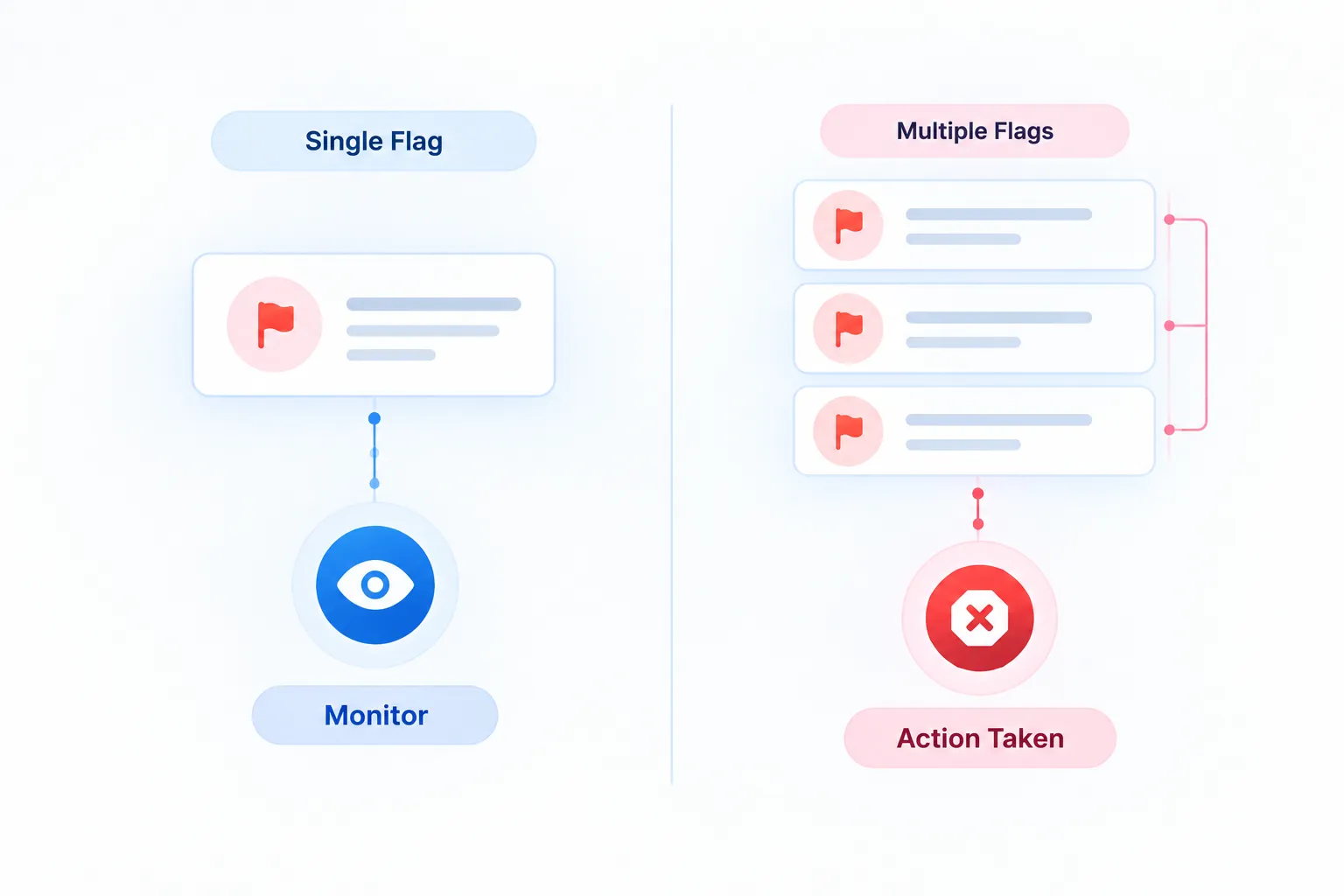
This is why effective bot detection scores risk across several signals rather than reacting to any single flag. A device showing one unusual pattern gets watched. A device showing several coordinated red flags, mass account creation, emulator signatures, mechanical timing, gets acted on. That distinction is what keeps the system useful instead of just annoying.
The Bigger Pattern
Ride-hailing and gaming apps look nothing alike on the surface, but they're solving the same underlying problem: reward systems that are only valuable if they reach real people. Tools like DeepID SDK build bot detection around exactly this kind of device and behavioral scoring, aimed at catching automated account creation without adding friction for the genuine riders, drivers, and players the reward systems were actually built for.






















Sign in to leave a comment.