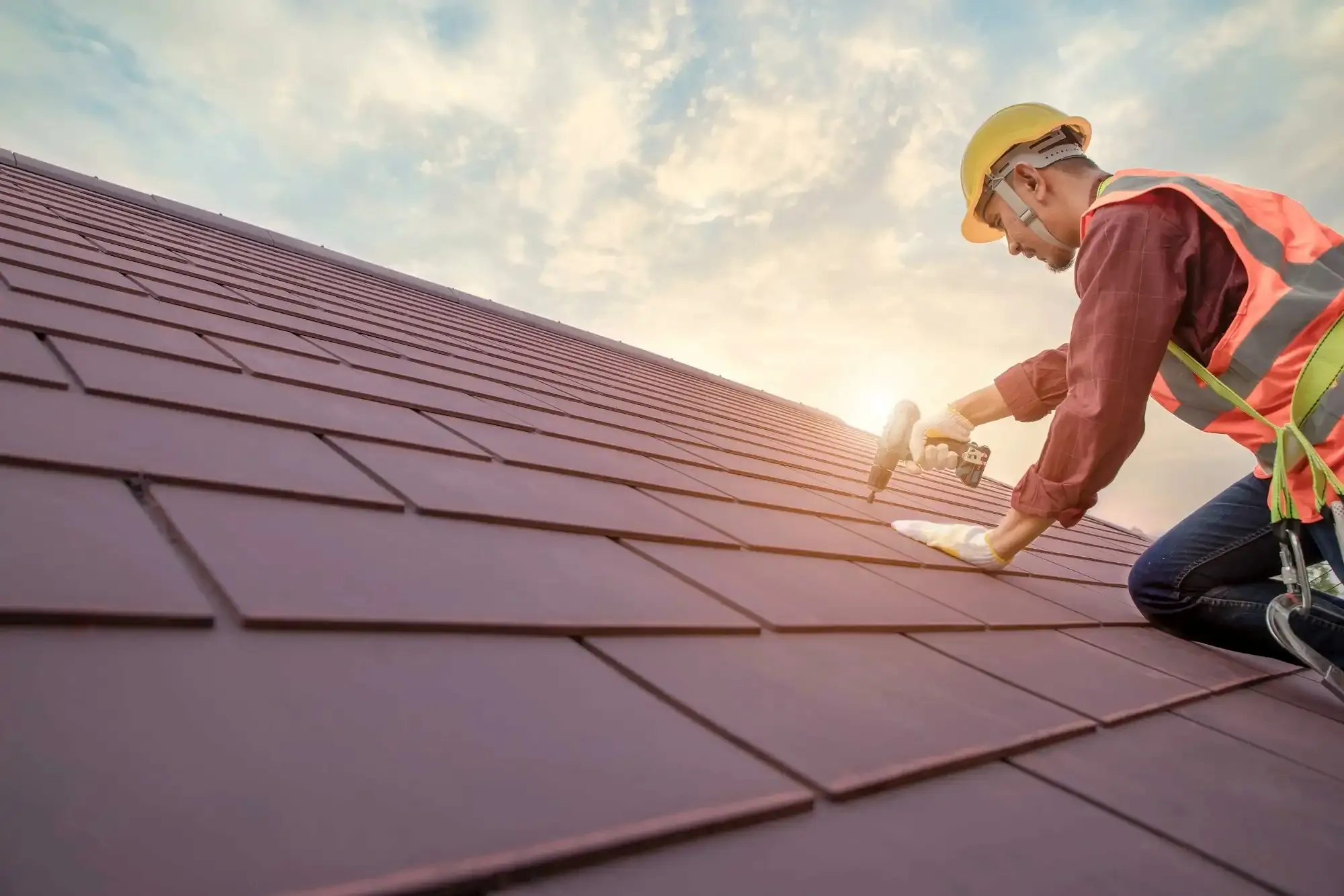

Keeping a home comfortable through Ottawa’s changing seasons can be challenging. Proper insulation is especially important for roofs in Ottawa, where cold winters and warm summers can increase heating and cooling costs. A well-insulated roof helps control indoor temperatures and can reduce unnecessary energy use.
Why Roof Insulation Matters
Your roof is one of the main areas where heat can enter or escape a home. During winter, warm indoor air naturally rises. Without enough insulation, that heat can move through the attic and roof, forcing your heating system to work harder.
During summer, sunlight can heat the roof surface and transfer heat into the attic. If the roof assembly has poor insulation, that heat can eventually affect the living areas below.
Proper roof insulation creates a thermal barrier between the indoor space and outdoor temperatures. This makes it easier for your HVAC system to maintain a comfortable temperature without running constantly.
How Insulation Can Lower Energy Bills
1. Reduces Heat Loss During Winter
Winter heating can account for a significant portion of household energy use. When a roof has inadequate insulation, heated air can escape through the upper parts of the home.
Adding or upgrading insulation slows this heat transfer. Your home can retain warmth for longer, reducing the workload on your furnace or other heating equipment.
The result can be more consistent indoor temperatures and less energy wasted on replacing lost heat.
2. Keeps Your Home Cooler in Summer
Roof insulation is not only useful during cold weather. It can also help limit heat entering your home during summer.
A properly insulated attic can reduce the amount of heat transferred from the roof into the rooms below. This may allow your air conditioner to reach the desired temperature more efficiently and maintain it with less effort.
This benefit becomes particularly useful when outdoor temperatures remain high for extended periods.
3. Improves Temperature Consistency
Poor insulation can cause noticeable temperature differences between rooms or floors. Upper-level rooms may feel too warm during summer and too cold during winter.
Better insulation helps reduce these fluctuations. Instead of constantly adjusting the thermostat, homeowners may find that indoor temperatures remain more stable throughout the day.
This can improve comfort while also supporting more efficient energy use.
Common Signs Your Roof Needs Better Insulation
You may want to inspect your attic insulation if you notice:
- High heating or cooling bills without a clear reason
- Uneven temperatures between rooms
- Cold ceilings or walls during winter
- Excessive heat in upper-floor rooms during summer
- Ice buildup along roof edges during cold weather
- Drafts around attic areas
- Heating or cooling equipment running for long periods
- Insulation that looks thin, damaged, compressed, or uneven
These signs do not always mean insulation is the only problem. Air leaks, ventilation issues, moisture, and roof damage can also affect energy efficiency.
Choosing the Right Type of Insulation
Different insulation materials offer different levels of thermal performance and installation requirements. Common options include fiberglass, cellulose, rigid foam, and spray foam.
The right choice depends on factors such as the attic design, existing insulation, available space, moisture conditions, ventilation, and the home's overall construction.
It is also important to consider the insulation's R-value, which measures its resistance to heat flow. A higher R-value generally indicates greater resistance, although proper installation is equally important.
For this reason, homeowners should avoid choosing insulation based only on price. A professional assessment can help identify the appropriate material and amount for the property.
Insulation and Roof Ventilation Work Together
Good insulation should not block necessary roof ventilation. Attic ventilation helps manage heat and moisture, while insulation helps control heat transfer between the living space and attic.
Poor ventilation can contribute to moisture buildup, condensation, mold growth, and deterioration of roofing materials. At the same time, inadequate insulation can increase energy loss.
When evaluating roofs in Ottawa, homeowners should therefore consider insulation, ventilation, air sealing, and the condition of the roof as connected parts of the same system.
Consider the Condition of the Roof First
Adding insulation to an attic with existing roof problems may not solve the underlying issue. Damaged shingles, leaks, inadequate flashing, or moisture problems should be addressed before insulation work begins.
A roof inspection can help identify problems that may otherwise become hidden after new insulation is installed.
If you are looking for roofing professionals, insulation contractors, or other home-service providers, MarketLister.ca can make the search easier by providing a place to explore local classified ads and connect with services based on your needs.
How to Get More Value From Roof Insulation
Insulation works best as part of a broader energy-efficiency strategy. Homeowners can also consider:
- Sealing air leaks around attic openings
- Insulating attic hatches and access doors
- Checking ductwork for leaks
- Maintaining heating and cooling equipment
- Keeping attic ventilation unobstructed
- Inspecting insulation periodically
- Addressing roof leaks quickly
- Using a programmable or smart thermostat
Combining these steps can help reduce unnecessary energy consumption and improve overall home comfort.
Final Thoughts
Roof insulation can make a meaningful difference in how efficiently a home handles Ottawa's seasonal temperatures. By reducing heat loss in winter and limiting heat gain in summer, insulation can lower the workload on heating and cooling systems while creating more consistent indoor comfort.
Before starting an insulation project, inspect the roof and attic, identify air leaks or moisture concerns, and determine whether the existing insulation needs repair or replacement. Comparing local service options through platforms such as MarketLister.ca can also help homeowners find suitable professionals for their specific needs.
FAQs
1. Can roof insulation really reduce energy bills?
Yes. Proper insulation reduces heat transfer between the home and outdoors, which can lower the amount of energy needed to maintain comfortable indoor temperatures.
2. How do I know if my attic has enough insulation?
Signs such as high energy bills, uneven indoor temperatures, drafts, and uncomfortable upper-floor rooms may indicate insufficient insulation. An attic inspection can provide a more accurate assessment.
3. Should I replace my roof before adding insulation?
Not necessarily. It depends on the roof's condition. If there are leaks, structural concerns, or significant damage, those issues should generally be addressed before installing additional insulation.
4. Does roof insulation help during summer?
Yes. Insulation can slow the transfer of heat from a hot roof and attic into the living space, helping your cooling system maintain a comfortable indoor temperature.
5. Can I install roof insulation myself?
Some insulation materials can be installed as a DIY project, but attic conditions, ventilation, moisture, and air sealing require careful consideration. Professional installation may provide better results when the project is complex.
























Sign in to leave a comment.