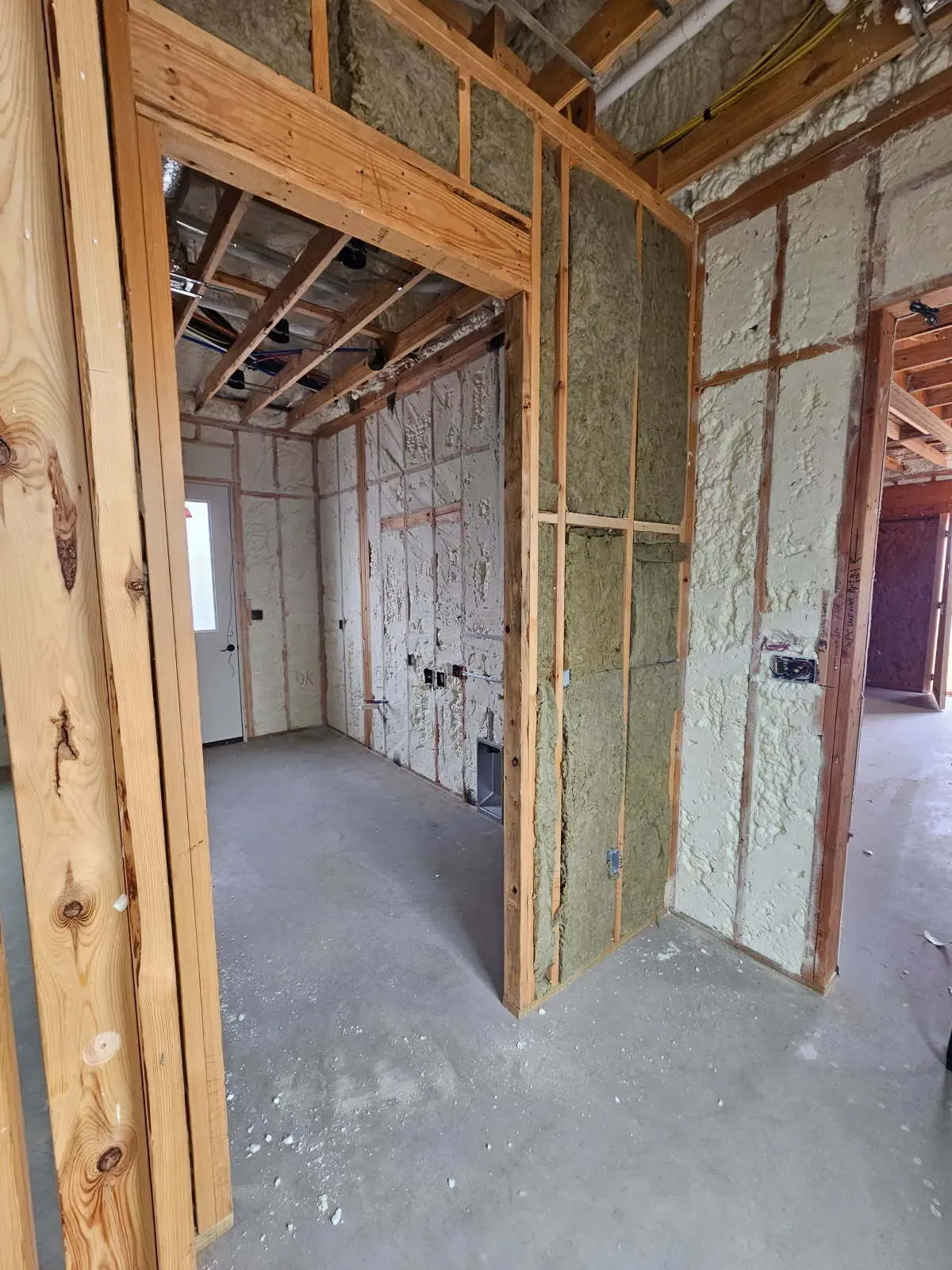
Decaying or moisture-laden insulation traps airborne spores, pest waste, and active allergens that circulate directly into living spaces. Executing Safe Insulation Removal clears contaminated material using negative pressure systems, instantly halting mold spread and restoring indoor air purity.
Building performance assessments show that structural moisture affects nearly 40% of residential properties over time. Industry specialists stress that removing saturated or aging materials preserves framing timber from dry rot while permanently removing severe health triggers from your living area.
How Contaminated Materials Threaten Air Quality
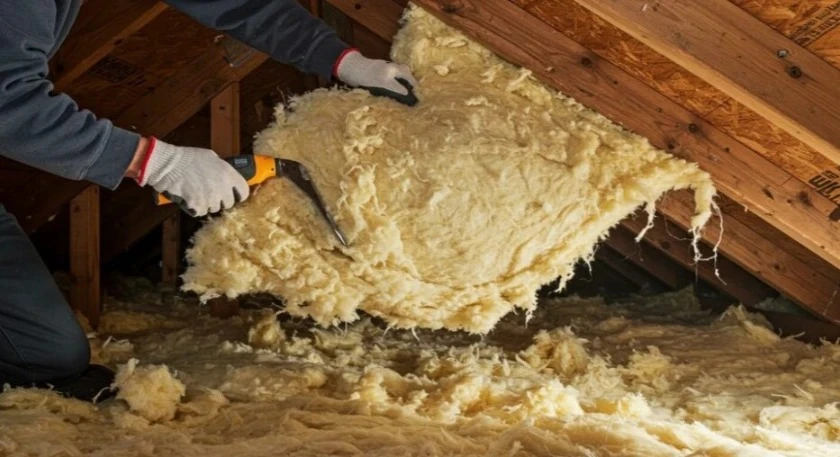
Old fiber batting acts like a giant filter inside your building envelope. Over time, that filter fills up with airborne particulates, pest droppings, and ambient moisture. When relative humidity inside an attic rises above 60%, damp cellulose or fiberglass can become an ideal environment for fungal growth. Industry data shows that indoor air can hold two to five times more pollutants than outdoor air when building materials harbor moisture.
- Moisture gets trapped under aging roof surfaces or around leaking pipe penetrations.
- Microscopic spores can break free and drift through ceiling gaps into bedroom spaces.
- Dust mites can multiply rapidly inside decaying organic backing materials.
Delaying old insulation removal allows these contaminants to settle deep into ceiling joists. Once fungi establish themselves in structural wood, clearing the building may require extensive structural remediation. Supreme Spray Foam Services can help property owners address aging or contaminated insulation and improve the overall condition of the building envelope with professional insulation solutions.

What Are the Health Risks of Aging Insulation Materials?
Breathing air contaminated by damp attic fills triggers immediate responses in children and sensitive adults. Spores and volatile organic compounds pass through wall outlets, light fixtures, and recessed fixtures.
Standard heating and cooling cycles create pressure differences between living zones and unconditioned spaces. This air movement pulls micro-particles directly into high-traffic areas of your home.
- Persistent nasal congestion and unexplained coughing fits during humid months.
- Increased frequency of asthma attacks among family members.
- Unpleasant, lingering earthy or musty smells that persist despite regular cleaning.
Performing Safe Insulation Removal eliminates the central reservoir for these irritants. Clearing out the damaged mass prevents seasonal allergen surges from constantly recycling through your central air system.
Bonus Tip: Keep attic access hatches securely sealed with weatherstripping during hot summer months to prevent contaminated attic air from sinking into lower living areas.
Key Stages of the Extraction Process
Extracting compromised materials demands strict containment protocols to prevent cross-contamination. Simply pulling up old rolls by hand spreads millions of spores throughout living quarters.
Professional teams utilize industrial vacuum systems paired with HEPA filtration units. These machines sit outside the property while long hoses draw polluted dust out of enclosed spaces under negative pressure.
- Surface barriers isolate the work area from hallway corridors and bedrooms.
- Vacuum hoses pull affected material directly into sealed disposal trucks parked outside.
- Technicians apply eco-friendly antimicrobial treatments to bare wooden joists.
| Extraction Factor | Standard Manual Clearing | Controlled Vacuum Extraction |
|---|---|---|
| Airborne Dust Spread | High risk to living space | Zero leak negative pressure |
| Spore Containment | Minimal protective barriers | Full HEPA isolated containment |
| Extraction Speed | Slow and labour-intensive | Fast industrial hose suction |
| Surface Cleaning | Leaves fine debris behind | Sanitizes framing surfaces completely |
Utilizing targeted insulation removal services ensures that hazardous particles never drift through your main living areas. Complete extraction leaves structural surfaces spotless and ready for modern thermal barriers.
Factors to Evaluate Before Selecting a Removal Strategy
Every property presents distinct structural challenges based on age, layout, and previous moisture exposure. Homeowners must weigh several practical factors before beginning work on their property.
Attic spaces with tight pitch angles or limited access hatches require specialized suction hoses rather than standard equipment. Knowing the exact age of your existing materials helps identify hidden structural hazards like vintage vermiculite.
- Age of the home and type of existing thermal barriers present.
- Presence of past roof leaks, plumbing condensation, or rodent activity.
- Structural accessibility around low-sloped roof lines and soffit vents.
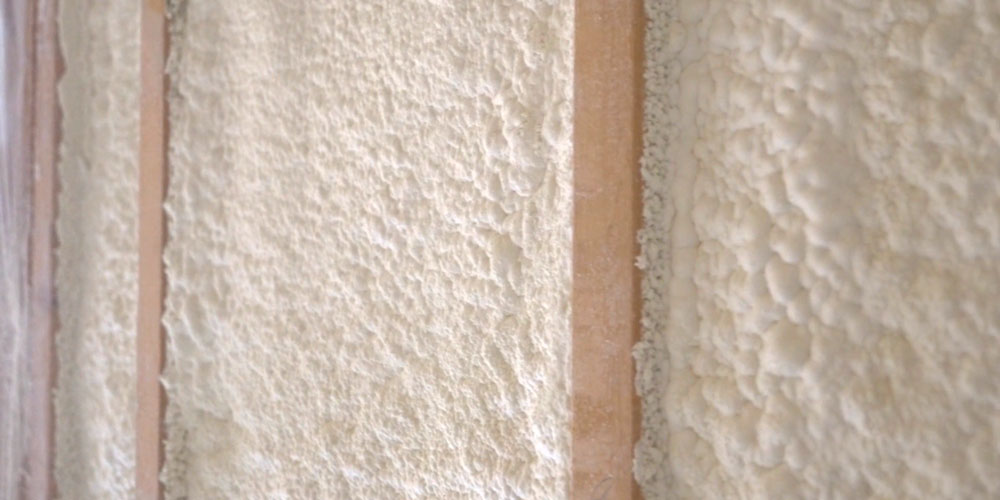
Selecting a qualified insulation removal contractor gives you access to high-grade extraction tools designed specifically for dangerous micro-particles. Skilled crews contain dust at the source and keep your living spaces completely clear of fine debris.
Bonus Tip: Check local disposal compliance mandates before starting work to ensure old fiberglass or treated cellulose gets transported to certified waste centers.
Climate conditions also dictate timing. For homes in hot, humid regions, scheduling removal during dry weather prevents outside humidity from soaking exposed ceiling drywall during the extraction phase.
Long-Term Benefits of Replacing Damaged Fiber Materials
Removing decayed thermal barriers creates an immediate improvement in household energy conservation and air freshness. Fresh building envelopes hold conditioned air far more effectively than packed, moisture-damaged batts.
Data reveals that replacing damaged attic fill cuts seasonal heating and cooling loss by up to 15%. Clean structural spaces allow seamless installation of high-efficiency spray foam or fresh wool barriers.
- Lower monthly power bills through stabilized room temperatures.
- Reduced strain on central air conditioning compressors and blower motors.
- Elimination of deep-seated odors that leak down from attic floors.
Executing Safe Insulation Removal protects your structural frame from rot while restoring healthy air quality. Eliminating trapped moisture reservoirs protects subflooring and ceiling drywall from long-term decay.
Bonus Tip: Arrange for an attic inspection immediately following heavy winter storms or intense downpours to catch small roof leaks before mold forms.
Next Steps for Evaluating Your Home Safety Needs
Protecting your household from hidden allergens starts with a careful look at what sits above your ceilings. If your home exhibits lingering musty smells, sudden allergy spikes, or inconsistent indoor temperatures, your existing insulation may be compromised.
Take time to evaluate the age of your property, review past moisture events, and inspect accessible attic spaces. Replacing hazardous, dirty materials with modern thermal barriers preserves structural framing and creates a cleaner living environment.
Reliable Assistance for Homeowners Seeking Professional Extraction
When home air quality declines or old materials show signs of mold damage, working with experienced specialists makes all the difference. Spray Foam Tech provides complete insulation extraction, residential spray foam, open-cell spray foam, closed-cell spray foam, and roof coating installations. Their team uses high-powered vacuum equipment and strict isolation procedures to keep your home clean throughout the project. You can request a free quote by emailing [email protected], or calling (737) 777-9590 to speak with a technician about your property needs.
Answers to Common Household Insulation Questions
How do you know if attic insulation has mold?
Visible dark patches, lingering earthy odors, and clotted or discolored batting indicate moisture accumulation and active fungal growth.
Can mold spread through air ducts during extraction?
Without negative-pressure vacuum equipment and proper containment barriers, loose spores can enter open ductwork and spread into living areas.
How long does the extraction procedure usually take?
Most residential attic extractions take between one and two days depending on total square footage, material depth, and property access.
What happens to old material after it is pulled out?
Extracted materials pass through sealed vacuum lines directly into enclosed transport vehicles for secure disposal at licensed waste management facilities.
Should you replace insulation immediately after removing the old batch?
Yes, leaving attic spaces bare increases energy loss and allows outside heat or cold to pass freely through ceiling drywall.





















Sign in to leave a comment.