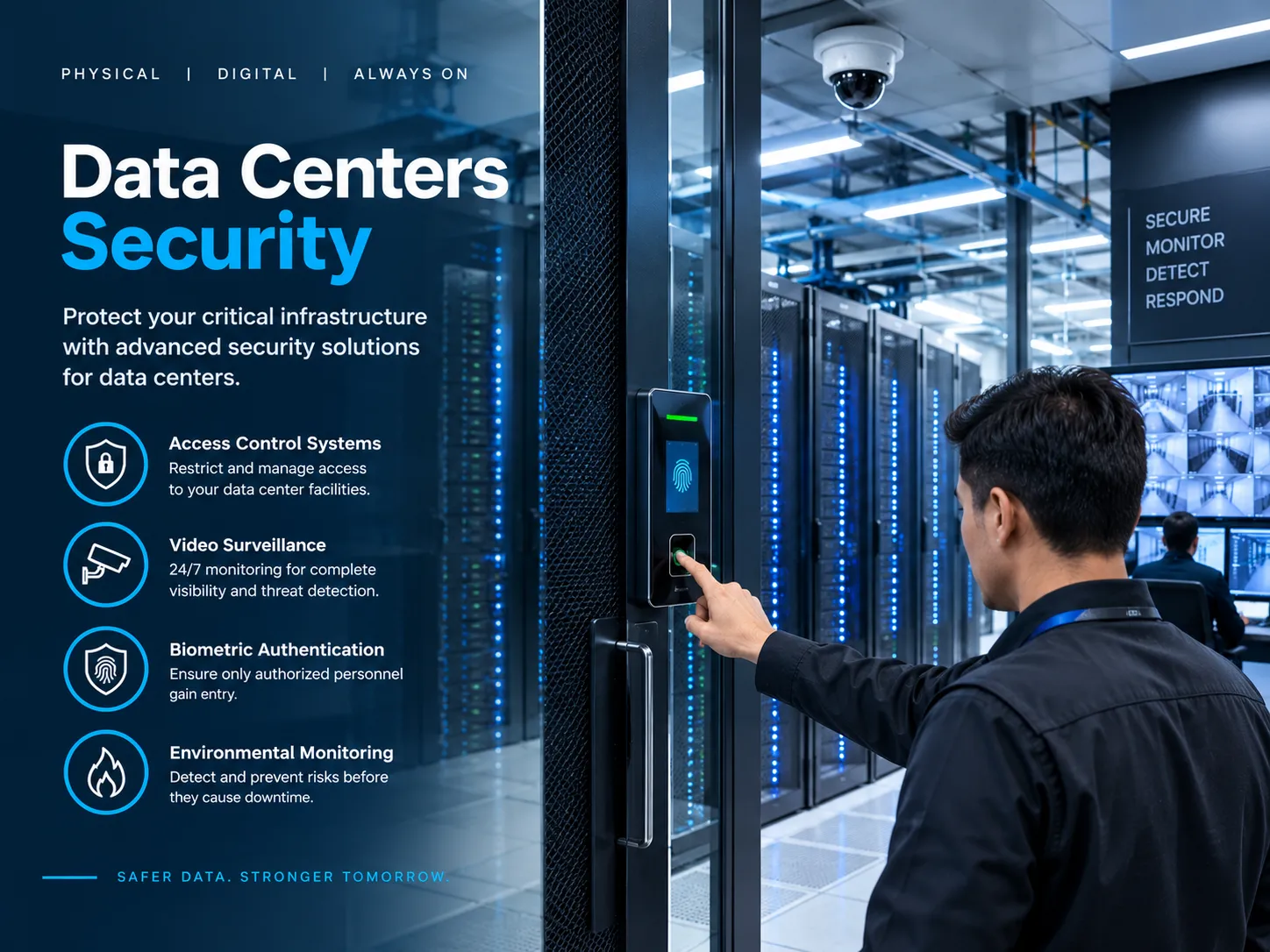

As the Kingdom races to become a regional cloud and digital infrastructure hub, Data Center Security has shifted from a back-office concern to a national priority, shaping how every new facility is designed, licensed, and operated from the ground up.
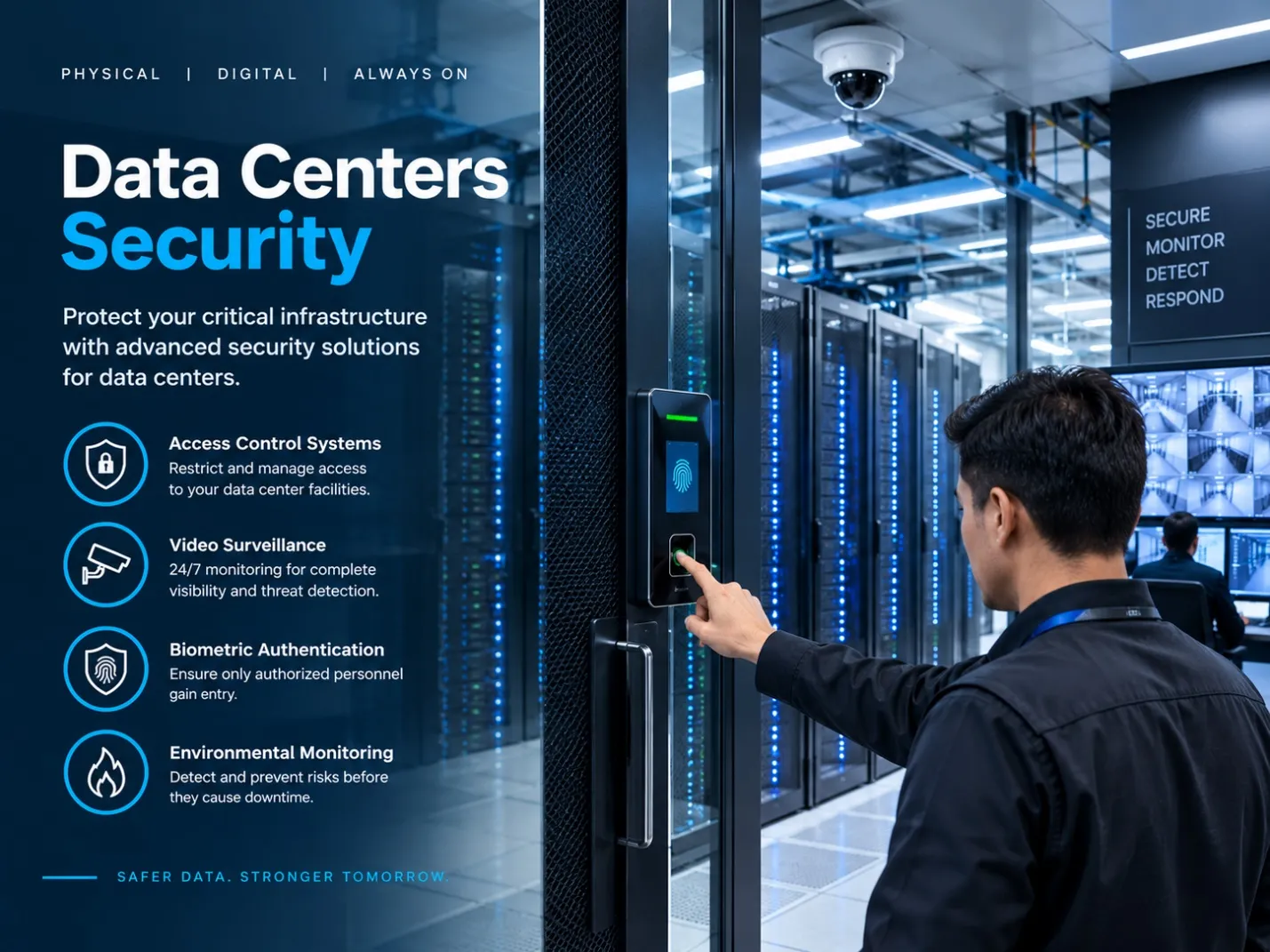
A National Push Toward Digital Infrastructure Leadership
Saudi Arabia's Vision 2030 agenda has turned data infrastructure into a strategic national asset, drawing major hyperscale operators and cloud providers to build large scale facilities across the Kingdom. This rapid growth has placed data center security squarely under government, investor, and customer scrutiny in a way that simply did not exist a decade ago.
Regulatory bodies overseeing the Kingdom's digital economy now expect operators to demonstrate a layered, auditable security program before a facility can host government, financial, or healthcare workloads, turning security posture into a genuine competitive differentiator rather than a hidden operational detail.
Cybersecurity for Data Center Operators: Raising the National Baseline
Physical walls and badge readers alone no longer satisfy what regulators or enterprise customers expect, which is why Cybersecurity for Data Center operations has become a standing requirement rather than an optional upgrade. National guidance increasingly expects facilities to run continuous network monitoring, patch management, and incident response planning alongside their physical security program.
Operators serving government and regulated enterprise clients in particular must now align their security practices with national cybersecurity frameworks, making certification and compliance documentation as important to a facility's reputation as its uptime record.
Data Center Encryption as a Baseline Expectation
Protecting information while it sits on disk or moves across a network has become a non-negotiable baseline for Saudi facilities, which is why Data Center Encryption is now built into nearly every new deployment from day one rather than added later as an afterthought. Strong encryption protects client data even in the unlikely event that physical media or network traffic is somehow intercepted.
Financial institutions and government agencies migrating workloads into Saudi facilities routinely require proof of encryption key management practices before signing a hosting agreement, making this capability a deciding factor in many procurement decisions.
Data Center Firewalls Defending the Network Perimeter
As more critical national services move into cloud and colocation environments, Data Center Firewalls have become the first line of defense against external intrusion attempts targeting the Kingdom's growing digital infrastructure footprint. Modern deployments increasingly favour next generation firewall platforms capable of inspecting encrypted traffic without introducing a performance bottleneck.
Segmenting the network into separate zones behind these firewalls also limits how far an attacker can move if one segment is ever compromised, a design principle now considered standard practice across major Saudi facilities.
Data Center Access Control at Every Layer
Physical entry security has grown far more sophisticated as facilities scale, and modern Data Center Access Control now combines biometric verification, mantrap entries, and detailed audit logging to ensure that only authorized personnel reach server halls and equipment racks. Layered access zones mean a visitor badge rarely grants the same access as a certified engineer's credential.
Government linked facilities in particular are pushing this layered approach further, requiring dual authorization for access to the most sensitive rack rows housing classified or highly regulated workloads.
Data Center Surveillance Supporting National Compliance Standards
Continuous monitoring has become essential to meeting national compliance expectations, and comprehensive Data Center Surveillance now covers every corridor, server hall, and loading area with high resolution cameras retained for extended periods to satisfy audit and investigation requirements. This visual record complements access logs, giving auditors a complete picture of who was where and when.
Video analytics layered on top of standard recording now flags unusual behaviour automatically, such as a rack door left open or an unauthorized person lingering near a restricted zone, giving security teams a head start before a minor issue becomes a serious incident.
Data Center Intrusion Detection Protecting Both Network and Perimeter
Modern facilities increasingly deploy Data Center Intrusion Detection systems that watch both the physical perimeter and the internal network simultaneously, correlating a forced door alarm with unusual network activity to reveal coordinated attack attempts that a single monitoring system might miss on its own.
This correlated approach has become particularly valuable as facilities scale to serve multiple tenants, where an incident affecting one client's infrastructure must be contained quickly without disrupting service for every other tenant sharing the same facility.
National Threat Awareness Driving Faster Response
As the Kingdom's digital infrastructure sector matures, operators are investing heavily in Data Center Threat Detection platforms that combine network telemetry, behavioural analytics, and threat intelligence feeds to spot emerging attack patterns earlier than traditional signature-based tools ever could. Facility operators can explore the complete data center security solution to see how these detection capabilities fit into a layered security program.
A Trusted Security Partner for Facilities Across the Kingdom
Operators building toward a comprehensive Data Center Security KSA program need a technology partner who understands both the physical and cyber dimensions of modern facility protection. Teams can review the full data center security offering before specifying a security upgrade for a new or existing facility.
Riyadh at the Center of the Kingdom's Data Infrastructure Growth
As the capital attracts the largest concentration of new hyperscale and enterprise facilities, demand for a mature Data Center Security Riyadh program has grown accordingly, with operators in the city often adopting the most advanced layered security practices first before they roll out to other regions of the Kingdom.
This concentration of investment in the capital is also shaping national procurement standards, since facilities built to serve Riyadh based government and financial clients frequently set the security benchmark that other Saudi cities later adopt.
E-E-A-T and Regulatory Alignment: Why Documentation Matters
Auditors, investors, and enterprise customers increasingly expect data center operators to document their security program in detail rather than offer a verbal assurance that a facility is protected. Clear, auditable records of access control, surveillance retention, and incident response procedures have become essential to winning and retaining major contracts in the Kingdom's competitive digital infrastructure market.
Facilities that align their documentation with recognized national and international security frameworks consistently move through client due diligence faster than those relying on informal or undocumented practices, making compliance readiness a genuine commercial advantage.
Why Operators Choose Tektronix for Data Center Security
Securing a modern data center involves coordinating physical access systems, surveillance infrastructure, network defenses, and compliance documentation into a single coherent program, which most Saudi operators prefer to build with one accountable technology partner rather than multiple disconnected vendors.
Tektronix designs and deploys complete data center security programs for facilities across the Kingdom, combining access control, surveillance, firewalls, and intrusion detection configured to each operator's compliance and operational requirements. Facility teams evaluating a new deployment can explore the full data center security portfolio to see how these layered components are packaged together.
Proven deployment experience across government, financial, and hyperscale facilities is why Saudi operators continue to rely on the same security partner as they expand capacity to meet the Kingdom's growing digital infrastructure demand.
Conclusion
Saudi Arabia's digital transformation has made comprehensive Data Center Security a national priority rather than a back-office task. Strong Cybersecurity for Data Center practices, Data Center Encryption, and Data Center Firewalls protect information, while layered Data Center Access Control and Data Center Surveillance secure every facility. Data Center Intrusion Detection and Data Center Threat Detection catch emerging risks early, giving operators running a Data Center Security KSA program, including those building Data Center Security Riyadh deployments, the resilience the Kingdom's digital future demands.
Frequently Asked Questions
1. Why has Data Center Security become a national priority in Saudi Arabia?
Rapid growth in cloud and digital infrastructure under Vision 2030 has drawn government, financial, and healthcare workloads into Saudi facilities, raising security expectations from regulators, investors, and enterprise customers alike.
2. What does modern Cybersecurity for Data Center operations typically include?
It includes continuous network monitoring, patch management, and incident response planning alongside physical security, increasingly aligned with national cybersecurity frameworks for operators serving regulated clients.
3. Why is Data Center Encryption considered a baseline requirement now?
It protects data at rest and in transit even if physical media or network traffic is intercepted, and many financial and government clients require proof of encryption key management before signing a hosting agreement.
4. How do Data Center Access Control systems limit exposure to sensitive areas?
Layered access zones combined with biometric verification and detailed audit logging ensure that only authorized personnel reach specific server halls, with government linked facilities often requiring dual authorization for the most sensitive rows.
5. How does Data Center Intrusion Detection protect multi tenant facilities?
It correlates physical perimeter alarms with network activity to reveal coordinated attack attempts, allowing security teams to contain an incident affecting one tenant without disrupting service for others in the same facility.























Sign in to leave a comment.