How septic pumping in Eatonville helps protect your property


A dependable septic system helps protect your home from wastewater backups, unpleasant odors, and expensive plumbing emergencies. Regular septic pumping in Eatonville removes accumulated solids before they interfere with normal system operation. By understanding maintenance requirements, recognizing warning signs, and adopting responsible water-use habits, homeowners can reduce avoidable damage and keep their wastewater systems functioning more reliably.
Understanding What Happens Inside Your Septic Tank
A septic tank collects wastewater from household plumbing and separates it into different layers. Heavy solids settle at the bottom, lighter materials float to the surface, and partially treated wastewater flows toward the drain field. Naturally occurring bacteria break down some organic matter, but they cannot eliminate all accumulated waste.
Over time, sludge and scum build up inside the tank. If these layers become excessive, solids can move toward the outlet and enter downstream components, potentially affecting the drain field. Pumping removes accumulated material and helps restore the tank's available capacity.
Warning Signs That Deserve Attention
Septic systems often show signs of trouble before a major failure occurs. Homeowners should watch for:
- Multiple sinks, showers, or toilets draining slowly
- Gurgling sounds from plumbing fixtures
- Persistent sewage odors indoors or outdoors
- Unusually wet ground near the tank or drain field
- Wastewater backing up into household plumbing
- Standing water around septic components
These symptoms do not always mean the tank is full. Blocked pipes, damaged components, and drain field problems can produce similar signs, so an appropriate inspection is important.
Why Delaying Maintenance Can Be Costly
When a tank is not pumped as needed, accumulated solids may interfere with wastewater movement and damage the drain field. Correcting a damaged absorption area can be considerably more complicated than arranging routine maintenance.
Homeowners should therefore pay attention to service records, system condition, and changes in plumbing performance rather than waiting for an emergency. Regular maintenance helps protect both the septic tank and the components that depend on it.
What Determines the Right Pumping Schedule?
There is no single pumping interval that suits every household. The appropriate schedule depends on tank capacity, the number of occupants, daily water consumption, and the amount of solid waste entering the system.
Household Size and Tank Capacity
A home occupied by several people generally produces more wastewater than a smaller household. As a result, solids may accumulate more quickly in a busy home.
Tank size also matters. A larger tank typically offers more capacity for accumulating solids, while a smaller tank may need attention sooner under similar conditions.
Everyday Water Use and Disposal Habits
Excessive water use can overload a septic system by sending wastewater into the tank faster than it can be processed and dispersed. Repairing leaks, spacing out laundry loads, and using water efficiently can help reduce this pressure.
Disposal habits are equally important. Wipes, paper towels, cooking grease, and other unsuitable materials can contribute to blockages or interfere with system performance. Toilets should generally receive only human waste and toilet paper.
Many residential tanks need pumping every three to five years, but this is only a general guideline. Inspection findings and the tank's actual condition should guide the final schedule.
Protecting Your Septic System Between Service Visits
Professional pumping is only one part of responsible septic ownership. Daily habits also influence how efficiently the tank and drain field operate.
Reduce Unnecessary Water Use
Fix dripping faucets, repair running toilets, and avoid running several water-intensive appliances simultaneously when possible. Spreading laundry loads throughout the week can help prevent sudden increases in wastewater volume.
Keep Harmful Materials Out of Household Drains
Avoid pouring grease, oils, paint, solvents, and harsh chemicals down the drain. These substances can interfere with system operation or create disposal problems. Products labeled septic-safe should still be used according to their instructions.
Protect the Drain Field
The drain field needs suitable soil conditions to absorb wastewater effectively. Parking vehicles, placing heavy equipment, or constructing permanent structures over this area can compact soil or damage underground components.
Trees and shrubs should also be planted with consideration for the location of septic pipes and other infrastructure.
Maintain Clear Service Records
Record pumping dates, inspections, repairs, and any recurring symptoms. These details help technicians identify patterns and recommend appropriate maintenance intervals.
Combining these practices with professional attention reduces unnecessary strain on the system and helps homeowners identify developing problems before they become disruptive.
When Septic Removal May Be Necessary
Pumping maintains a tank by removing accumulated waste, but it cannot correct every type of failure. A severely damaged tank, a failed drain field, or a system being permanently decommissioned may require a different solution.
Repair, Replacement, or Removal?
The appropriate option depends on the nature of the problem. A localized pipe blockage may need a straightforward repair, while structural damage or widespread drain field failure may require replacement. Removal or formal abandonment may be appropriate when a system is no longer needed or is being replaced as part of a property conversion.
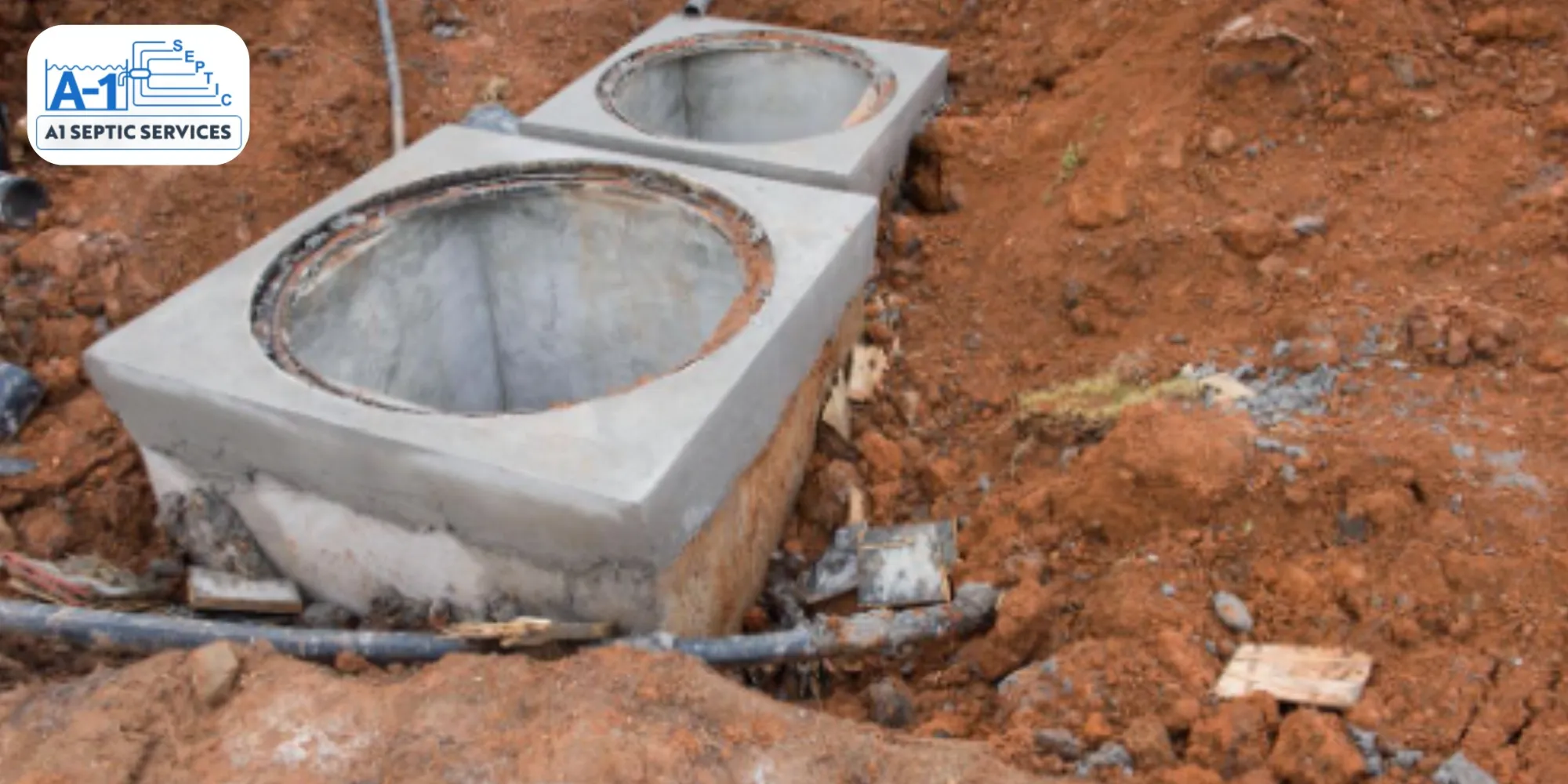
For property owners researching septic removal in Orlando, the process may involve evaluating the existing installation, pumping the tank, obtaining required approvals, removing or properly abandoning components, and restoring the affected area. The precise steps depend on site conditions and applicable regulations.
Why Professional Evaluation Matters
Persistent sewage odors, repeated backups, and wastewater surfacing above ground warrant prompt attention. These symptoms can indicate different underlying problems, and choosing a solution without identifying the cause can lead to unnecessary expenses.
A professional assessment helps determine whether pumping, repair, replacement, or removal is the most appropriate course of action. Property owners should also verify local permitting and disposal requirements before undertaking work.
Building a Long-Term Septic Maintenance Plan
A practical maintenance plan makes it easier to manage septic responsibilities without waiting for visible problems. Homeowners should monitor plumbing performance, conserve water, avoid unsuitable waste disposal, and arrange pumping according to the system's needs.
Routine inspections can also help identify damaged baffles, outlet filters, pipes, or other components that may require attention. Keeping the area around the tank accessible makes future service easier and helps technicians evaluate the system properly.
For homeowners who need help maintaining their systems, A1 Septic Service provides a starting point for addressing septic care and understanding available service options.
The central principle is simple: consistent maintenance, responsible daily habits, and timely professional evaluation can help reduce preventable septic problems and protect a property's wastewater infrastructure.
Key Takeaways
- Pumping removes accumulated solids and helps maintain septic tank capacity.
- Household size, tank dimensions, and water consumption influence service frequency.
- Slow drains, sewage odors, and standing wastewater can indicate a developing problem.
- Water conservation and responsible waste disposal help reduce system strain.
- Septic removal is different from routine pumping and may require permits or formal abandonment procedures.
- Professional evaluation helps determine whether maintenance, repair, replacement, or removal is appropriate.
Interesting Facts
- Septic tanks rely partly on naturally occurring microorganisms to break down organic waste.
- Excessive water use can overload a septic system even when the tank is not full of solids.
- Soil conditions influence how effectively a drain field absorbs wastewater.
- Pumping cannot repair structural damage or restore a severely failed drain field.
- Keeping service records helps homeowners make more informed maintenance decisions.
FAQs
How often should a septic tank be pumped?
Many residential systems need pumping every three to five years, although household size, tank capacity, and waste accumulation can change the interval. Inspection findings provide a more reliable basis for scheduling.
What are the most common signs of septic trouble?
Slow drains, gurgling plumbing, sewage odors, repeated backups, and wet ground near the drain field can indicate a problem. Several symptoms occurring together warrant professional evaluation.
Can regular pumping prevent drain field failure?
Pumping reduces the risk of accumulated solids entering the drain field, but it cannot prevent every failure. Soil conditions, age, excessive water use, and physical damage also affect performance.
Does pumping fix a damaged septic tank?
No. Pumping removes waste but does not repair cracks, damaged pipes, failed baffles, or other structural problems. A separate assessment may be needed.
When should a septic system be removed?
Removal or formal abandonment may be considered when a system is permanently out of service, is being replaced, or is no longer appropriate for the property's wastewater arrangement. Applicable local requirements should be followed.
How can homeowners extend septic system life?
Use water efficiently, avoid flushing unsuitable materials, protect the drain field from heavy loads, maintain service records, and arrange inspections and pumping according to the system's condition.





Sign in to leave a comment.