
A traveller should choose a heritage hotel by examining the property’s historical connection, present-day character, accommodation quality, location and hospitality—not merely by checking whether the building looks old in photographs.
A genuinely meaningful heritage stay should allow guests to understand the destination through the place where they sleep. This makes the selection of a luxury heritage hotel in Bharatpur an important part of the overall journey rather than a routine accommodation decision.
An Old-Looking Building Is Not Automatically a Heritage Experience
Decorative arches, antique-style furniture and traditional artwork can create an attractive theme, but visual styling alone does not establish historical significance.
Travellers should ask whether the property has a documented relationship with the city’s political, architectural or cultural past. They should also consider whether the original setting remains recognisable after its conversion into a hotel.
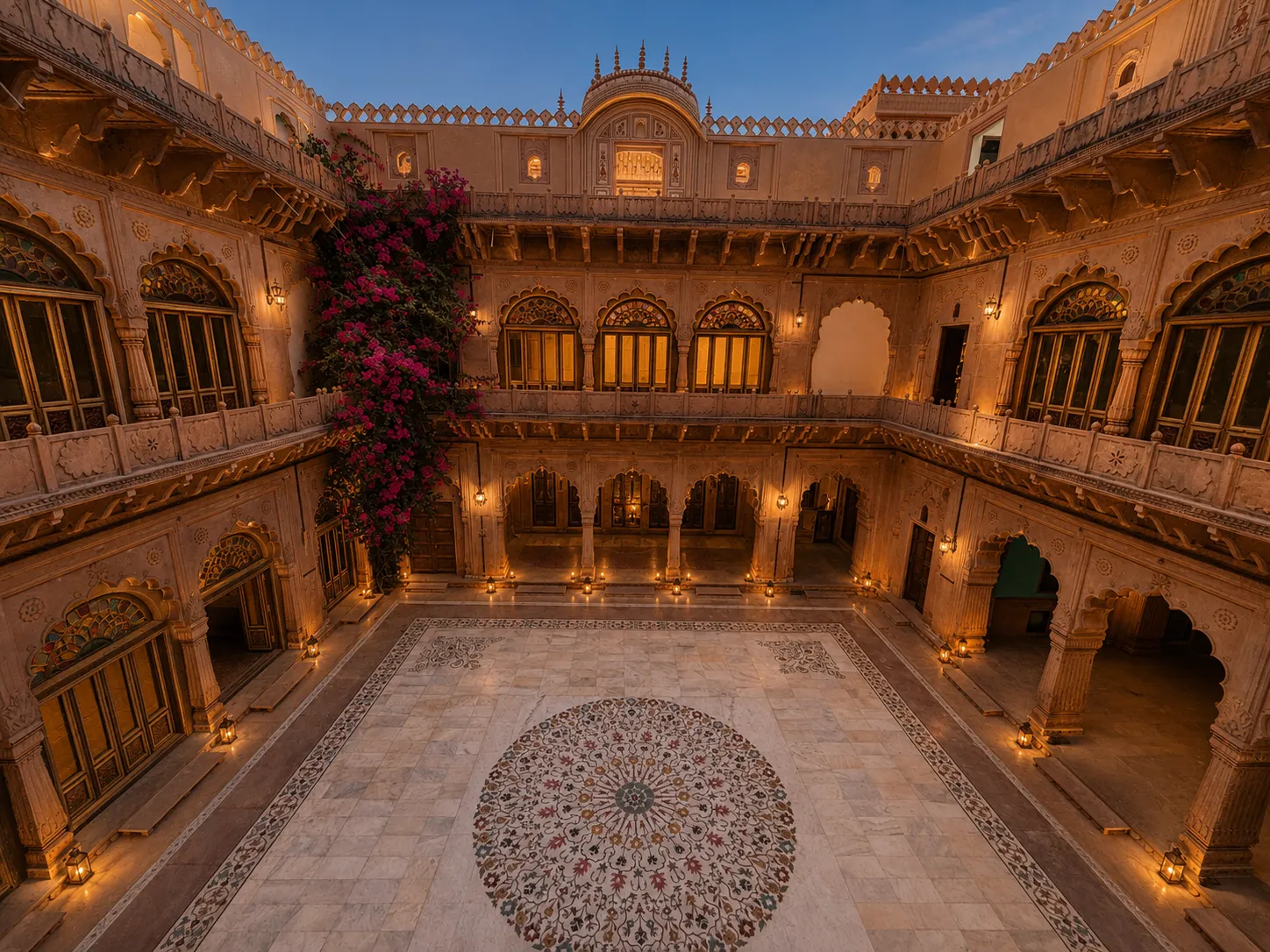
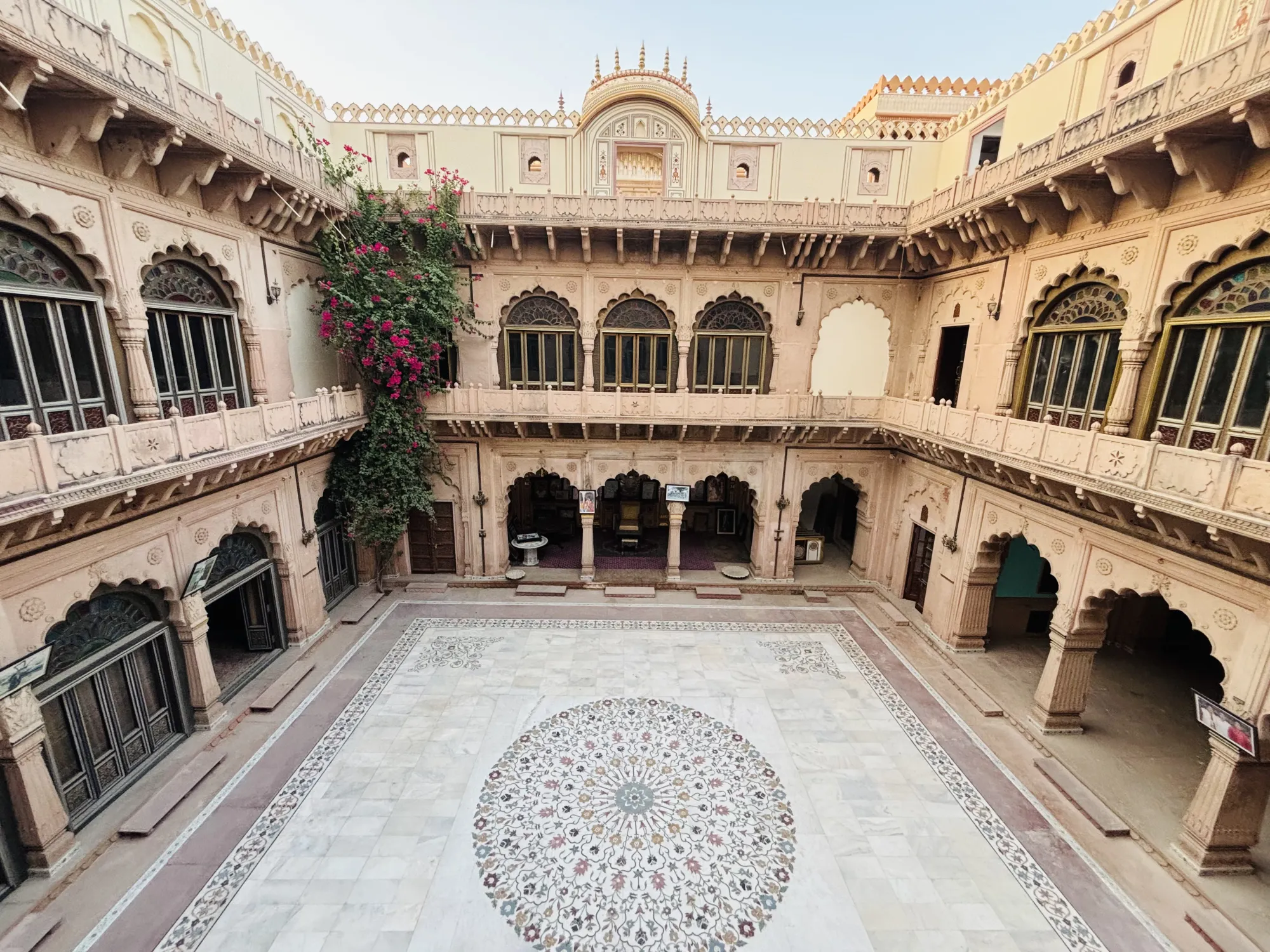
Mahal Khas Palace is situated within the historic Lohagarh Fort complex in Bharatpur. According to the palace’s official history, Mahal Khas formed part of the royal centre from which the rulers of Bharatpur governed their kingdom.
This connection gives the property a role beyond decorative hospitality. Guests stay within a location associated with the development of Bharatpur itself.
What Are the Main Signs of an Authentic Heritage Hotel?
A meaningful heritage property generally combines several elements:
- A recognised historical setting
- Architecture connected to the region
- A documented relationship with former rulers or significant events
- Retained courtyards, walls or spatial features
- Local hospitality and cuisine
- Accommodation adapted for modern guests
- Responsible presentation of the property’s history
No single feature is sufficient. Historical character without comfortable accommodation may make the stay impractical, while luxury without a genuine connection to the destination may feel interchangeable with any modern hotel.
The strongest experience comes from balancing the two.
Why Should Location Influence the Decision?
Bharatpur’s identity is shaped by more than one attraction. The city is associated with royal history, Lohagarh Fort, the wider Braj cultural region and internationally known birdlife.
A central heritage location can help travellers understand these different layers. Staying within Lohagarh Fort places guests in direct contact with the city’s royal story instead of requiring them to encounter history only during a short guided visit.
Guests considering a heritage palace stay in Bharatpur should therefore ask:
- Is the property part of an original historic complex?
- Can guests observe heritage details beyond the bedroom?
- Does the location provide a sense of Bharatpur’s identity?
- Can the hotel explain its own past accurately?
- Does the atmosphere remain connected to the original setting?
These questions help distinguish a destination-led experience from a purely themed stay.
How Much Modernisation Is Appropriate?
A heritage hotel must adapt to modern hospitality requirements. Guests expect cleanliness, comfortable bedding, private bathrooms, cooling arrangements, security and professional service.
Modernisation becomes problematic only when it removes the character that made the property distinctive.
Thoughtful adaptation respects the structure while making it usable. Thick walls, courtyards and traditional spatial planning can remain visible, while guest rooms provide the conveniences expected during a contemporary journey.
Mahal Khas Palace brings heritage-inspired interiors and modern comfort together within its rooms and suites. Its categories include the Maharaja Suite, Prince Suite, Princess Suite, Commodore Subhash Suite, Royal Suite and Maharani Suite.
Should Travellers Select the Hotel or the Room First?
The property should come first.
A highly attractive room cannot compensate for an inconvenient or characterless overall setting. Begin by selecting the right location and type of hotel. After that, compare the available room categories according to occupancy, privacy, space and reason for travelling.
A couple may prioritise atmosphere and privacy. A family might need convenient room allocation. Senior guests may care more about accessibility and ease of movement. Travellers celebrating an occasion may prefer a suite that makes the stay itself feel like part of the celebration.
People researching royal suites in Bharatpur should contact the hotel to understand the differences among categories instead of making a decision based solely on names or photographs.
Why Hospitality Matters as Much as Architecture
Heritage hospitality is not simply formal service delivered inside an old building. It should reflect warmth, attentiveness and a sense of place.
A guest’s memory may be shaped by:
- The way the arrival is handled
- How staff members explain the property
- The comfort of the room
- Local flavours in the dining experience
- Help with sightseeing plans
- The peacefulness of the evening
- Attention to family or senior-traveller requirements
Architecture creates the setting, but hospitality determines whether guests feel welcomed within it.
How Can Travellers Verify Heritage Claims?
Travellers do not need to become historians before booking, but they should look for clear information.
Useful sources include:
- The property’s official history
- Tourism information
- Museum or monument records
- Reputable historical publications
- Verified photographs of the location
- Consistent descriptions across official channels
Vague phrases such as “royal experience” or “palace-like ambience” should not be treated as evidence by themselves. A credible property should be able to explain where it is located, how it is connected to the city and what parts of its character remain visible.
Who Benefits Most From a Heritage Stay?
This form of accommodation can be especially valuable for:
- Cultural travellers
- History enthusiasts
- Couples seeking a distinctive setting
- Families introducing children to Rajasthan’s past
- Photographers interested in architecture
- Senior travellers who prefer experience-led journeys
- International visitors wanting regional context
- Guests celebrating a personal milestone
A heritage property can also suit ordinary leisure travellers who simply want their accommodation to feel connected to the destination.
Why Mahal Khas Palace Is a Strong Choice
Mahal Khas Palace is not positioned as a palace-themed building separated from Bharatpur’s history. It stands within Lohagarh Fort, giving guests the opportunity to experience a royal setting as part of their stay.
Its historic surroundings, peaceful ambience, suite categories and Rajasthani hospitality create a bridge between the city’s past and the needs of present-day travellers.
The strongest reason to choose it is not merely that the palace is historic. It is that the location can help guests experience Bharatpur as more than a stop between other destinations.
Frequently Asked Questions
What defines a genuine heritage hotel?
A genuine heritage hotel normally occupies or forms part of a historically significant property and retains a recognisable connection to its original architecture, location or former purpose. It should also provide reliable historical information rather than depending only on palace-style decoration.
Is Mahal Khas Palace located inside Lohagarh Fort?
Yes. Mahal Khas Palace is located within the historic Lohagarh Fort complex in Bharatpur. Its address is Maharaja Surajmal Road, Lohagarh Fort, Gopalgarh, Bharatpur, Rajasthan.
Can a heritage hotel also provide modern comfort?
Yes. Responsible heritage hospitality preserves the identity of a historic property while adapting rooms and services for contemporary guests. Travellers should check the exact facilities included in their selected room category before booking.
Is a heritage property suitable for families?
It can be highly suitable for families, particularly those interested in history and cultural travel. Parents should confirm room occupancy, child policies, accessibility and any specific family requirements with the hotel.
How should guests select a room at Mahal Khas Palace?
Guests should compare room size, occupancy, available facilities, privacy and suitability for their travel purpose. The hotel can explain the differences between suite categories and recommend an appropriate option.
Why stay in a historical setting instead of a conventional hotel?
A historical setting can add cultural context to the journey. Guests experience architecture and atmosphere even during unscheduled hours, allowing accommodation to become part of the destination rather than simply a place to sleep.
































Sign in to leave a comment.