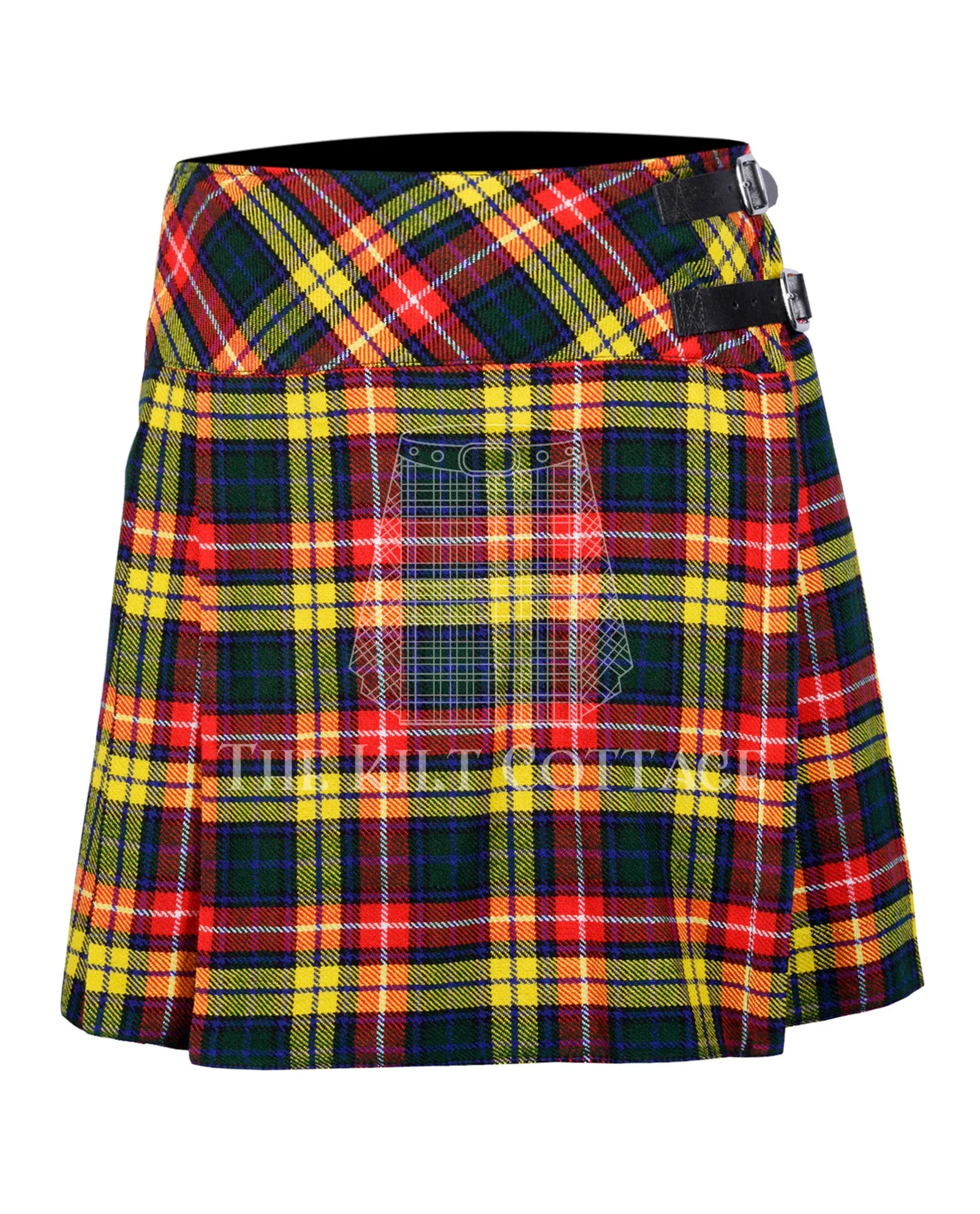

Few garments carry as much cultural weight and historical significance as the skirt and the kilt. Across continents and centuries, these two pieces of clothing have evolved from practical everyday wear into powerful symbols of identity, heritage, and status. Looking at how SKIRTS & KILTS have developed over time reveals just how deeply intertwined fashion, culture, and history really are.
1. Ancient Origins of Skirted Garments:
Long before tailored trousers became common, skirted garments were worn by men and women alike across many ancient civilizations. Egyptian, Mesopotamian, and Roman societies all relied on wrapped or draped skirt-like clothing as practical, breathable attire suited to their climates and daily activities. This early history shows that skirted garments were never inherently gendered — they were simply one of the most functional ways to dress the human body.
2. The Rise of the Kilt in Highland Scotland:
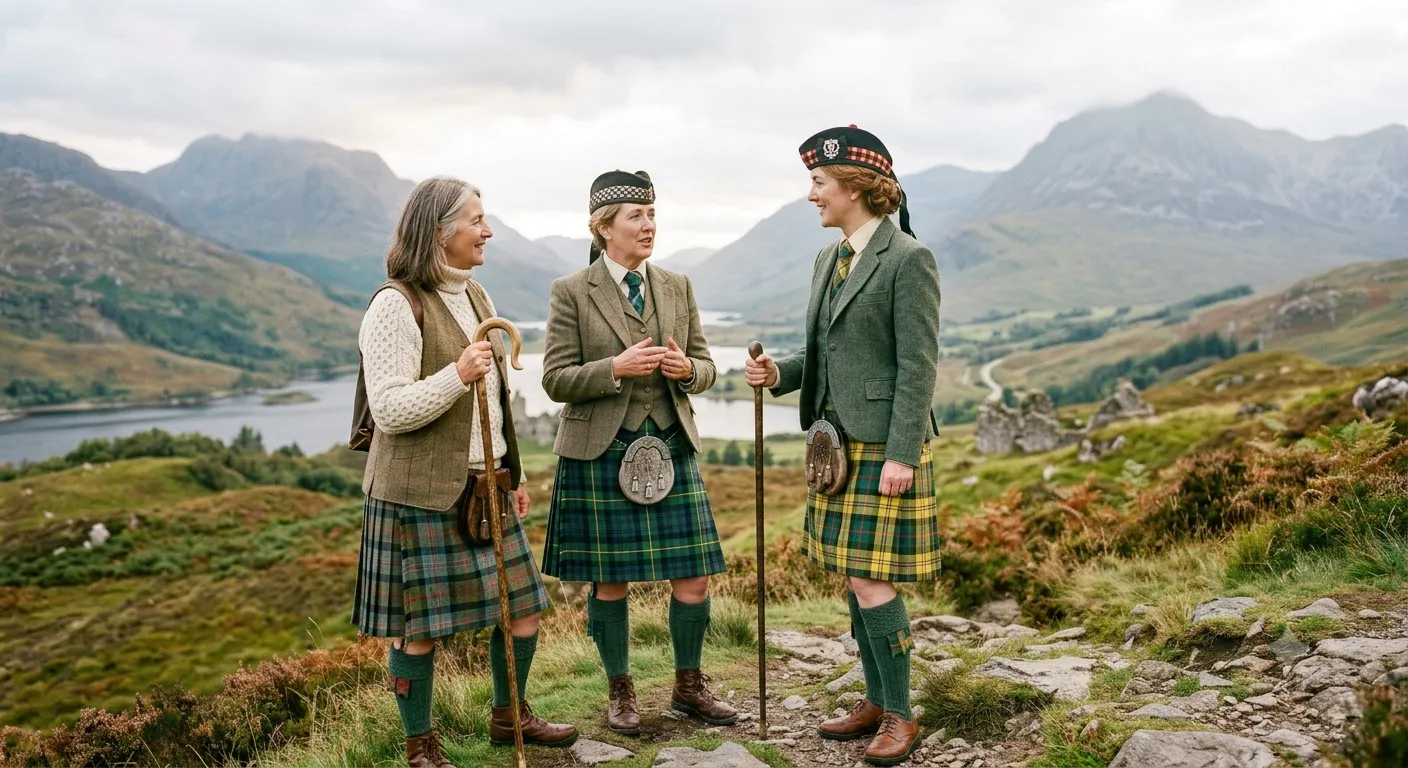
The kilt as we recognize it today emerged from Scottish Highland dress, evolving from the belted plaid, a large piece of fabric wrapped and pleated around the body. Over time, this garment became closely associated with clan identity, with specific tartans representing different families and regions. The kilt's development reflects how clothing can become a marker of belonging, community, and cultural pride, well beyond its original practical purpose.
3. Skirts as a Symbol of Changing Social Norms:
As fashion evolved across Europe and beyond, the skirt took on new meanings tied to social class, femininity, and changing gender roles. From the elaborate skirts of aristocratic fashion to the simplified styles that emerged during periods of social change, skirts have consistently mirrored the values and structures of the societies that wore them.
4. Cultural Variations Around the World:
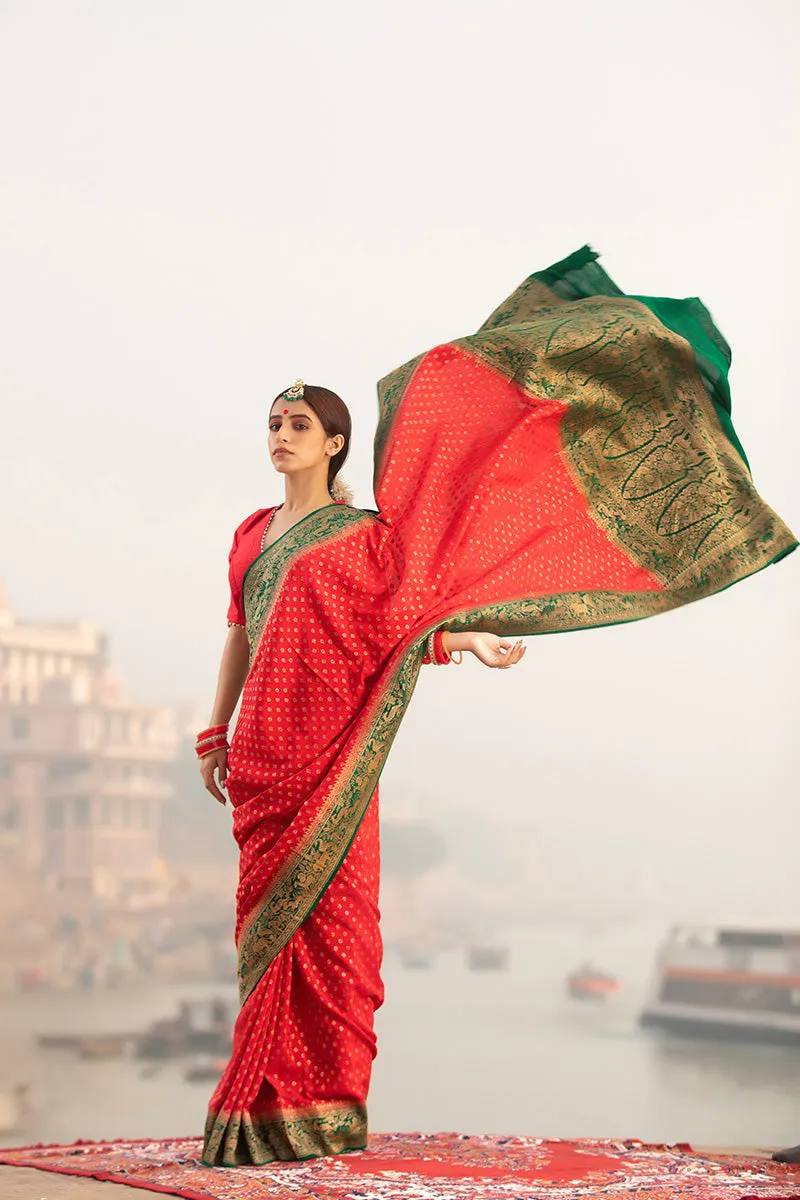
Beyond Scotland and Europe, skirted garments appear in countless cultural traditions, from the sarongs of Southeast Asia to various wrapped and pleated garments across Africa and the Pacific Islands. Each of these traditions developed its own techniques, fabrics, and meanings, showing that the basic concept of a skirted garment adapted uniquely to different climates, materials, and cultural values.
5. Modern Fashion's Return to Traditional Roots:
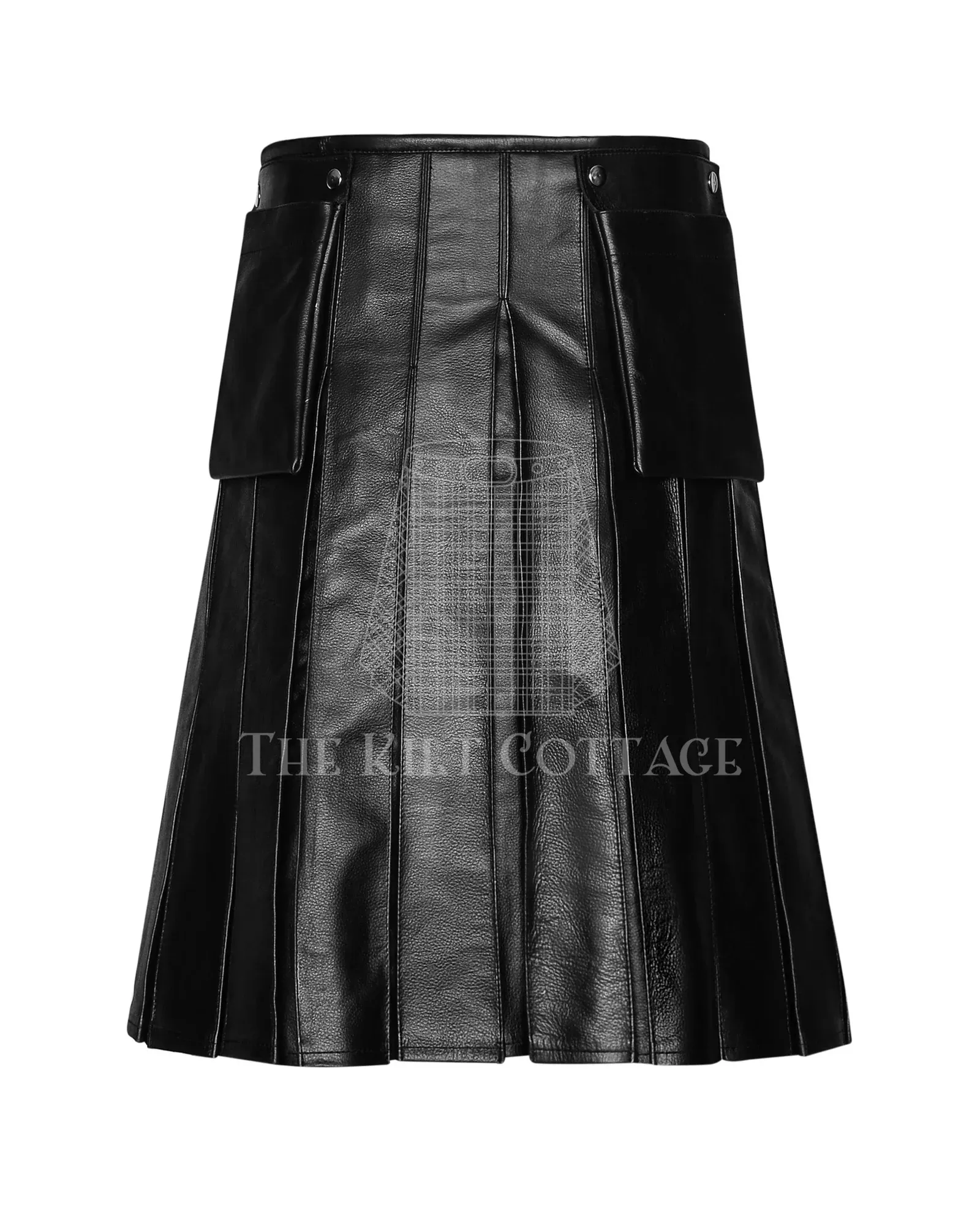
Today's fashion industry continues to draw inspiration from these historical garments, with designers reinterpreting traditional silhouettes for contemporary audiences. The renewed interest in authentic Highland dress alongside modern skirt designs shows that SKIRTS & KILTS haven't simply faded into history — they continue to influence how people express identity and style today.
Conclusion:
The story of SKIRTS & KILTS is really a story about how clothing reflects culture, history, and identity. From ancient civilisations to Highland clans to modern runways, these garments have continuously adapted while retaining their symbolic power. Understanding this shared history offers a deeper appreciation for why skirts and kilts remain such enduring and meaningful pieces of fashion today.
















Sign in to leave a comment.