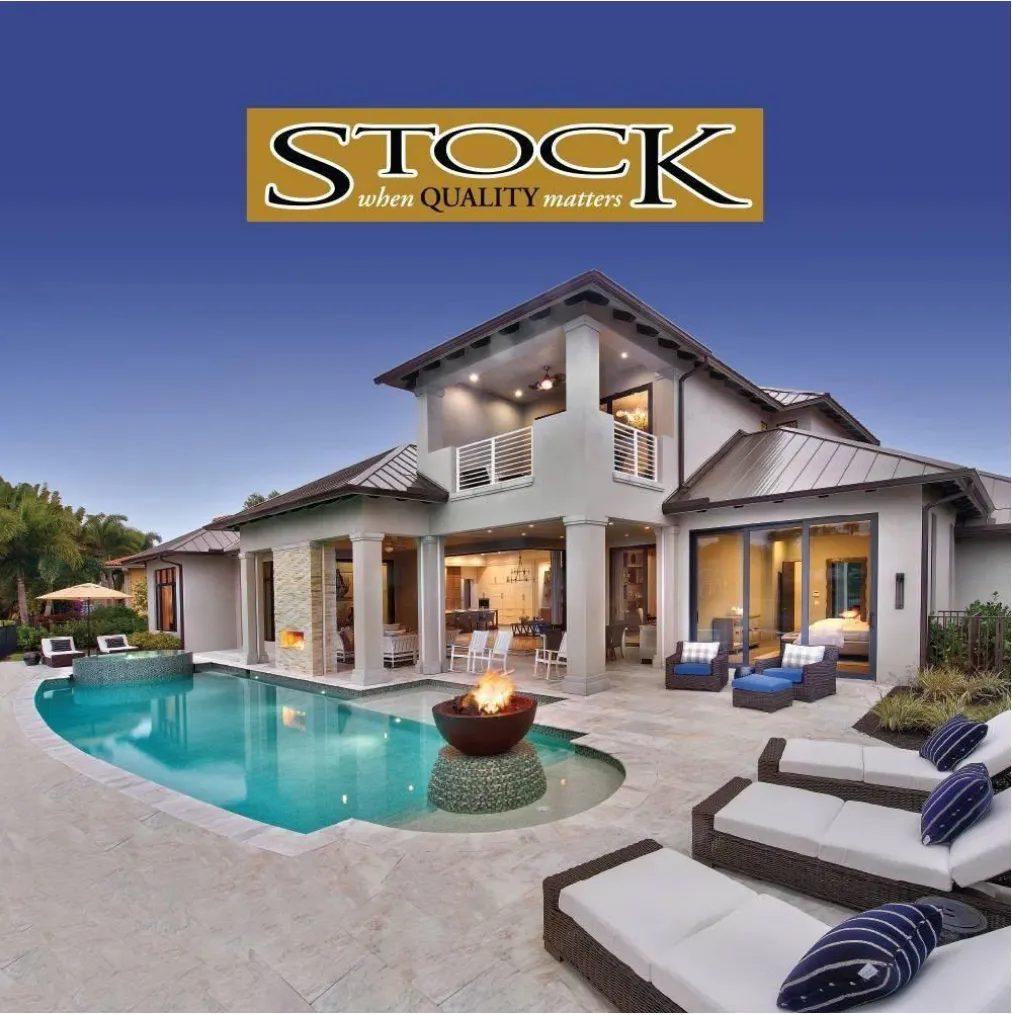

When I think about property development, I often picture more than buildings, roads, and attractive landscaping. A successful development can shape the way people live, work, relax, and connect with their surroundings. The best communities are usually created with a clear understanding of what residents actually need rather than simply focusing on construction.
For me, this makes thoughtful planning one of the most important parts of modern real estate Stock Development. From selecting the right location to choosing practical amenities, every decision can influence the long-term appeal of a community.
Starting With the Right Location
Location remains one of the first things I consider when evaluating a new community. A beautiful property can struggle if it is far from essential services or difficult to reach.
Good development starts with understanding the surrounding area. Access to major roads, schools, shopping centers, restaurants, parks, healthcare facilities, and employment areas can make everyday life much easier. A strong location can also support the long-term value of homes and attract buyers who want convenience without giving up quality.
Developers need to study current conditions while also considering how the area may change over time. New infrastructure, businesses, transportation improvements, and population growth can all affect a property's future.
Understanding What Residents Want
A modern community should be designed around real people. Buyers today often look beyond the number of bedrooms or the size of a property. They want comfortable spaces, attractive surroundings, convenient amenities, and a neighborhood that fits their lifestyle.
This is where research becomes important. Developers can learn about buyer preferences through market studies, demographic information, and feedback from potential residents.
For example, families may prioritize larger homes, recreational areas, and nearby schools. Professionals may place greater importance on transportation, dining, fitness facilities, and flexible living spaces. Retirees may value peaceful surroundings, accessibility, and community services.
Understanding these differences helps developers create properties that feel purposeful rather than generic.
Creating a Strong Sense of Place
I believe the character of a neighborhood can have a major impact on how people experience their homes. Uniform buildings placed without consideration for their surroundings may provide housing, but they do not necessarily create a memorable community.
Thoughtful design can change that. Architectural details, landscaping, walkable streets, public spaces, lighting, and recreational areas can give a development its own identity.
Florida provides an interesting example because communities often need to balance beautiful outdoor environments with practical considerations such as heat, storms, and seasonal weather. Developers have to think carefully about landscaping, building materials, drainage, shade, and outdoor amenities.
Companies working in this space demonstrate how long-term experience can influence community planning. Stock Development, for example, has built a reputation around creating residential communities in Florida, where lifestyle, location, and design are closely connected.
Balancing Luxury With Practicality
Luxury does not always mean adding the most expensive feature available. In my view, genuine quality comes from combining attractive design with practical everyday functionality.
A beautifully designed kitchen is more useful when its layout makes cooking and storage convenient. A community pool becomes more valuable when residents can easily access it and enjoy comfortable surrounding spaces. Landscaping is more effective when it enhances appearance while remaining appropriate for the local climate.
This balance is especially important in residential development. Buyers want their homes to look impressive, but they also want them to work well for everyday life.
Developers that understand this distinction can create properties that remain appealing after the initial excitement of a new construction project has faded.
The Importance of Outdoor Spaces
Outdoor areas have become an increasingly important part of residential communities. People want opportunities to spend time outside without necessarily leaving their neighborhood.
Walking paths, parks, gardens, pools, clubhouses, playgrounds, and gathering spaces can encourage residents to interact and make better use of their surroundings.
I also appreciate developments that provide a mixture of private and shared outdoor areas. A homeowner may want a quiet backyard for personal use while also having access to larger community spaces for social activities.
Good outdoor planning can improve both the visual appearance of a neighborhood and the experience of living there.
Sustainability and Long-Term Planning
Modern development also needs to consider environmental responsibility. Sustainable decisions can benefit both residents and the surrounding area.
Energy-efficient building systems, responsible landscaping, efficient water management, durable materials, and thoughtful site planning can reduce ongoing resource use. These choices may also lower maintenance requirements over time.
Sustainability should not be treated as a trend added after the main planning process. It can be incorporated from the beginning through decisions about orientation, construction materials, drainage, vegetation, energy use, and transportation.
For buyers, these features can provide practical benefits as well as contribute to a healthier environment.
Building for the Future
One of the biggest lessons I take from successful development is that a community should not be designed only for today's market. A neighborhood may remain active for decades, so developers need to think about how residents' expectations could change.
Technology is one obvious example. Modern homeowners increasingly expect reliable connectivity, smart-home features, efficient security systems, and convenient digital services. At the same time, basic community needs such as safe streets, attractive public spaces, and convenient access to services remain important.
Flexible design can help properties adapt to changing lifestyles. Homes with multipurpose rooms, adaptable spaces, and efficient layouts may remain useful as families grow or circumstances change.
Choosing a Developer With Experience
For buyers, selecting a community is also about understanding who developed it. A developer's experience can provide useful insight into its approach to planning, construction, design, and community management.
I would look at a developer's completed projects, attention to detail, location strategy, amenities, and reputation before making a decision. It is also useful to visit existing communities whenever possible. Seeing how a neighborhood looks and functions after residents have moved in can reveal details that brochures and online photographs cannot fully communicate.
Experience across multiple projects can also help developers recognize common challenges and make better decisions during future developments.
Why Community Planning Matters
Real estate development has a lasting effect on the places where people live. Once streets, homes, parks, and shared facilities are established, they can influence a neighborhood for generations.
That is why I see community planning as more than a construction exercise. It requires a combination of research, design, market understanding, environmental awareness, and attention to everyday human needs.
When these elements work together, a development can offer more than attractive properties. It can create a setting where people feel comfortable, connected, and proud of where they live.
The strongest communities are often those where individual homes and shared spaces complement each other. Careful planning can make neighborhoods easier to navigate, more enjoyable to experience, and better prepared for the future.
As residential markets continue to evolve, thoughtful development will remain important. Buyers are looking for homes that support their lifestyles, while communities need designs that can remain useful and appealing over time. A balanced approach to location, architecture, amenities, sustainability, and long-term planning can help turn a collection of properties into a genuinely livable neighborhood.
























Sign in to leave a comment.