
Two sisters in Carrollwood inherit their parents' house after both parents pass within a year of each other. Sounds simple enough — split it fifty-fifty, move on. Except the house had no trust, no clear title arrangement, just a will that sent everything through probate. Nine months later, they're still waiting, still paying property taxes on a house neither wants, still fielding calls from an attorney neither hired themselves. A living trust would've avoided almost all of it. That's the quiet tragedy of estate planning — most people only learn what they needed after it's too late to use it.

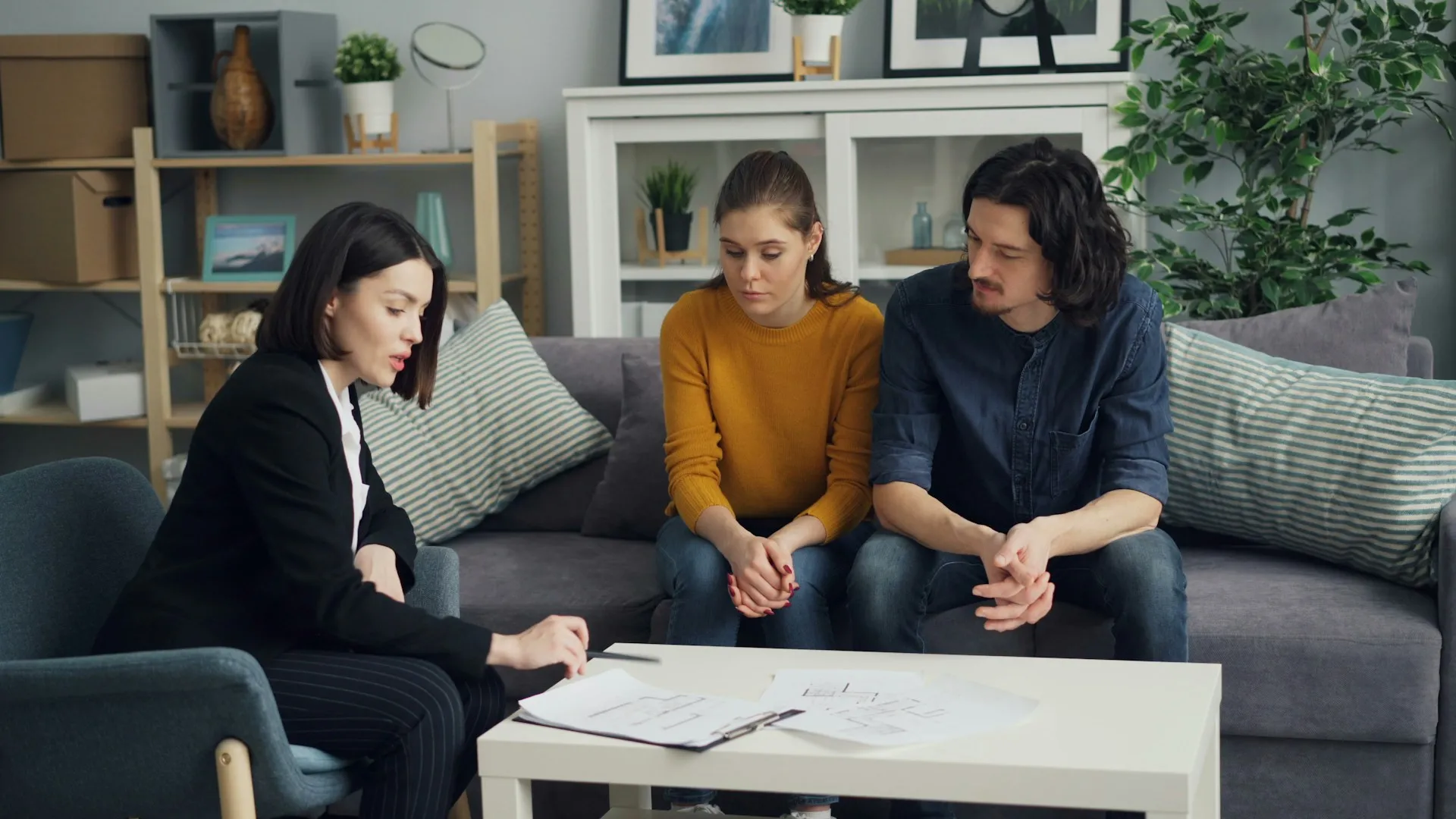
This is the exact gap a living trusts attorney Tampa FL families rely on works to close. Not by upselling complicated legal products nobody needs, but by actually sitting down and figuring out what a specific family's situation calls for. Because here's the thing — living trusts aren't one-size-fits-all. A retired couple with a paid-off home has very different needs than a blended family with kids from multiple marriages, or a small business owner trying to keep the company running smoothly if something happens to them.
Starting With the Real Question: What's Actually at Stake?
Before any documents get drafted, the real work is figuring out what could go wrong and for whom. What happens if one spouse becomes incapacitated? What if a beneficiary is a minor, or someone with a spending problem, or someone going through a messy divorce who shouldn't receive an inheritance directly into marital assets? These aren't hypothetical concerns dreamed up to justify billable hours — they're the actual scenarios that determine whether a trust functions the way it's supposed to when it matters most.
A cookie-cutter template found online doesn't ask these questions. It just fills blanks. That's the fundamental difference between a document that looks complete and one that actually holds up.
Funding the Trust — The Step Everyone Forgets
Here's something that surprises people constantly: creating a trust document isn't the same as funding it. A trust sitting empty, with no assets actually retitled into its name, does almost nothing. Ever heard of someone who paid for a trust and still ended up in probate anyway? It happens more often than it should, usually because nobody walked them through the retitling process — deeds, bank accounts, investment portfolios, all of it needs to formally transfer into the trust's ownership.
This step gets treated like paperwork housekeeping, but it's arguably the most important part. A trust without proper funding is like buying a safe and never actually putting anything inside it.
Avoiding Probate — Why It's Worth the Effort
Florida probate isn't always disastrous, but it's rarely fast, and it's never private. Court filings become public record. Timelines stretch, especially if there's any disagreement among heirs or complications with asset valuation. A properly funded living trust sidesteps this entirely — assets transfer according to the trust's terms without court involvement, without the months-long wait, without strangers being able to look up what someone inherited.

For families juggling grief alongside logistics, this matters more than people realize going in. Fewer hoops. Less exposure. Less waiting around for a judge's calendar to clear up.
Coordinating Trusts With the Bigger Estate Picture
Living trusts rarely operate in isolation. They usually work alongside pour-over wills, powers of attorney, and healthcare directives — each piece covering a gap the others don't. This is where broader guidance from an estate planning lawyer Tampa families trust becomes valuable, ensuring the trust isn't just well-drafted in isolation but properly integrated into the entire estate plan. A trust that ignores tax implications, or conflicts with beneficiary designations on a life insurance policy, creates problems nobody notices until it's far too late to fix quietly.
Revisiting the Plan as Life Moves On
A trust created in 2015 might not reflect a family's reality in 2026. New grandchildren, a divorce, a move across state lines, a business sold or started — all of these shift what a trust needs to accomplish. Treating a living trust as a living document, one that gets revisited periodically rather than filed away and forgotten, tends to separate families who avoid future headaches from those who unknowingly leave outdated instructions behind.
The Bottom Line
Creating a living trust isn't about paperwork for its own sake — it's about sparing loved ones the exact kind of mess those two sisters in Carrollwood found themselves stuck in. Thoughtful planning, proper funding, and periodic updates turn a trust from a nice idea into something that genuinely works when the time comes. Better to handle it early, deliberately, and with real guidance — not scrambling to fix gaps after the fact.



























Sign in to leave a comment.