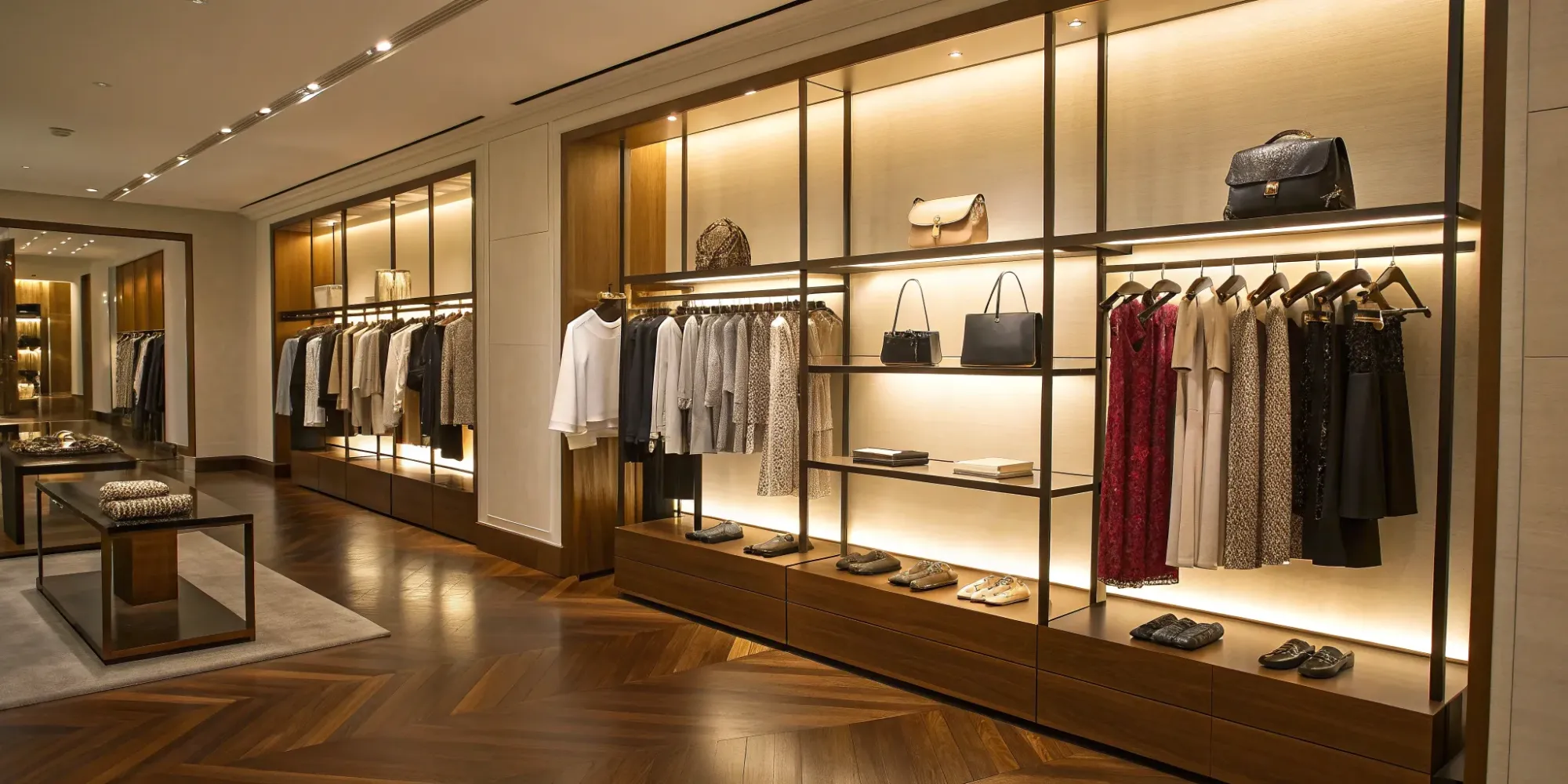

A well-planned store layout can completely change the way customers interact with a retail space. Effective shopfitting adelaide focuses on creating environments that are easy to navigate, visually appealing and designed around customer behaviour. The arrangement of shelves, displays, furniture, lighting and service areas all influence how shoppers move through a store and how comfortable they feel during their visit. A successful retail layout does more than organise products; it creates an experience that encourages exploration, engagement and repeat visits.
Modern customers expect more than simply finding products quickly. They want a shopping environment that feels convenient, welcoming and enjoyable. A thoughtfully designed store layout helps businesses guide customer movement, highlight important products and create a stronger connection between visitors and the retail environment.
The Importance of Store Layout in Retail Design
Store layout is the foundation of a successful retail interior. It determines how customers enter, browse, interact with products and complete their purchases. A poorly planned layout can create confusion, overcrowding and frustration, while an organised design can make shopping feel natural and effortless.
Every retail space has different requirements. A clothing store may need open areas for browsing and fitting rooms, while a grocery or convenience store may focus on efficient movement and product accessibility. Understanding the purpose of the space is the first step in creating a layout that works effectively.
A carefully designed layout considers:
- Customer movement patterns
- Product visibility
- Display positioning
- Service areas
- Staff workflow
- Available floor space
When these elements work together, customers can enjoy a smoother shopping journey.
Creating a Strong First Impression
The entrance area is one of the most important parts of a retail store. It creates the first impression and helps customers understand what type of shopping experience they can expect.
A successful entrance should feel open, organised and inviting. Customers need enough space to enter comfortably and adjust to the environment before they begin exploring products.
Important entrance considerations include:
- Clear visibility into the store
- Attractive feature displays
- Good lighting
- Easy access to key areas
The entrance should not feel crowded with too many products or signs. A balanced approach allows customers to naturally explore the space without feeling overwhelmed.
Guiding Customers Through the Store
A good store layout helps customers move naturally from one section to another. The aim is not to restrict movement but to create a comfortable flow that allows visitors to discover products easily.
Different layout styles can create different shopping experiences. Some stores use structured pathways to organise product categories, while others use open layouts that encourage browsing. The right choice depends on the products, customer expectations and the size of the space.
Effective customer flow can help:
- Increase product visibility
- Improve browsing time
- Reduce crowded areas
- Make important sections easier to find
For example, placing featured products in high-traffic areas can attract attention, while placing essential services in easily accessible locations improves convenience.
Product Placement and Visual Appeal
The position of products has a major impact on customer engagement. Even high-quality products may be overlooked if they are hidden in poor locations.
Strategic product placement helps customers notice important items and understand product categories. Displays should be arranged in a way that feels logical and encourages exploration.
Some useful principles include:
- Keeping popular products easy to find
- Creating attractive feature displays
- Grouping related products together
- Maintaining clean and organised shelves
A cluttered store can make customers feel uncomfortable, while a well-arranged space creates a more premium and enjoyable experience.
The Role of Lighting and Interior Elements
Store layout is not only about furniture and product placement. Lighting, colours and materials also influence how customers experience the space.
Lighting can highlight specific products, improve visibility and create a certain atmosphere. Bright lighting may work well for some retail environments, while softer lighting can create a relaxed shopping experience in others.
Interior elements such as flooring, wall finishes and furniture should support the overall purpose of the store. Every design choice contributes to how customers perceive the environment.
Professional shopfitters adelaide consider these details while planning retail interiors because layout and atmosphere work together to influence customer behaviour.
Designing Comfortable Shopping Areas
Customer comfort plays an important role in encouraging longer visits. A store should provide enough space for people to browse without feeling restricted.
Comfortable retail spaces usually include:
- Wide and clear pathways
- Easy access to products
- Suitable waiting areas
- Well-positioned counters
- Comfortable customer zones
If customers feel relaxed while shopping, they are more likely to spend time exploring products. Small details such as enough walking space or a convenient checkout location can significantly improve the overall experience.
Supporting Staff Efficiency
While store layouts are designed for customers, they must also support employees. Staff need efficient work areas to manage stock, assist customers and complete daily tasks.
A practical layout considers:
- Storage locations
- Checkout positioning
- Staff movement
- Restocking requirements
When employees can work efficiently, customers receive better service. A successful store design balances customer comfort with operational needs.
Flexible Layouts for Changing Needs
Retail environments often need to adapt over time. Seasonal promotions, new product collections and changing customer preferences may require updates to displays and layouts.
A flexible store design allows businesses to make changes without completely redesigning the space. Features such as movable displays, adaptable shelving and multipurpose areas can help maintain a fresh shopping environment.
Working with shopfitters adelaide can help businesses plan layouts that are not only attractive but also practical for future adjustments.
How Store Layout Builds Customer Loyalty
A positive shopping experience encourages customers to return. When visitors can easily find products, move comfortably and enjoy the environment, they are more likely to remember the store positively.
A strong store layout helps create:
- Better customer satisfaction
- Increased product interaction
- Easier navigation
- A more memorable experience
Retail design is ultimately about understanding customer needs and creating a space that supports those expectations.
Frequently Asked Questions
Why is store layout important for customer experience?
Store layout affects how customers move, interact with products and experience the retail environment. A well-planned layout makes shopping easier, more comfortable and more enjoyable.
How can a small retail store improve its layout?
Small stores can improve customer experience by using smart product placement, clear pathways, suitable lighting and space-saving furniture. The goal is to maximise usability without making the store feel crowded.
Should store layouts be changed regularly?
Retail layouts do not always need complete changes, but updating displays and adjusting sections when needed can keep the shopping experience fresh and aligned with customer expectations.
Conclusion
Store layout plays a vital role in shaping the customer shopping experience. From the entrance area to product displays and checkout zones, every part of the retail environment influences how customers interact with the space.
A successful layout combines functionality, comfort and visual appeal to create an environment where customers feel welcome and confident. With thoughtful planning and professional shopfitting adelaide, businesses can develop retail spaces that improve customer satisfaction and support long-term growth.






















Sign in to leave a comment.