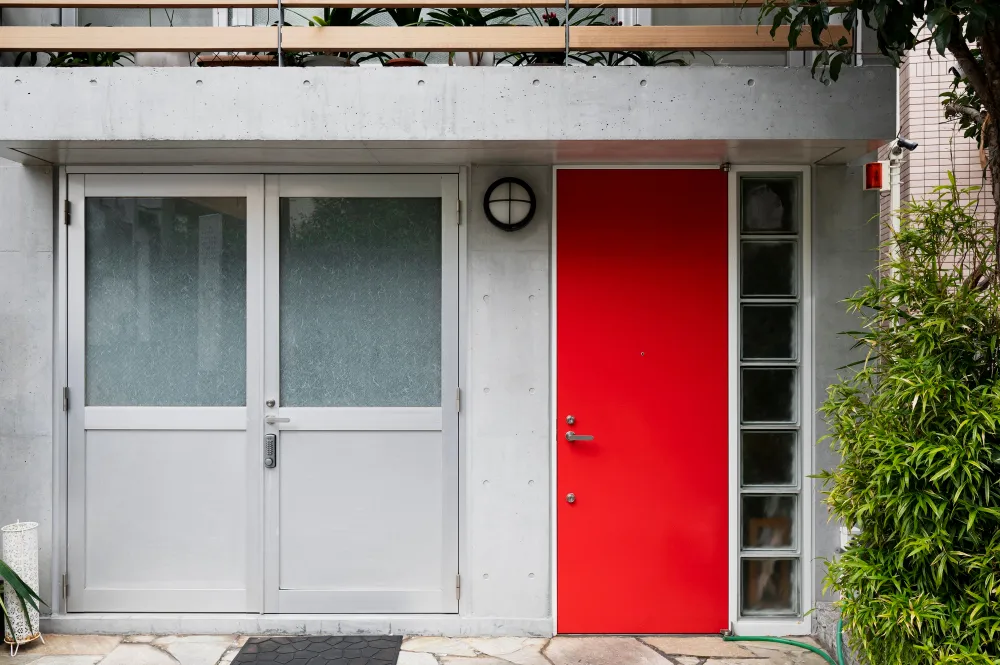

A home's entry door faces changing weather conditions throughout the year, making protection and proper sealing important for long term performance. A storm door creates an additional barrier between the interior entry door and outdoor conditions, helping protect the main door while supporting comfort and ventilation. Homeowners considering storm doors can benefit from understanding how these secondary doors work and what advantages they may provide. From reducing exposure to rain and wind to allowing fresh air through screened panels, a properly selected and installed storm door can offer several practical benefits.
What Is a Storm Door?
A storm door is a secondary exterior door installed in front of a home's primary entry door. It generally includes a durable frame with glass, screen, or a combination of both. Depending on the design, homeowners may switch between glass and screen panels as seasonal conditions change. This creates flexibility while adding another protective layer to the entryway. Government weatherization guidance recognizes storm doors as one type of building shell improvement that can be considered alongside air sealing, insulation, and other measures intended to improve home performance.
Creating an Additional Barrier
The space between the storm door and primary door creates another layer between indoor living areas and outdoor conditions. This can help reduce direct exposure to rain, wind, dust, and other environmental elements. The effectiveness of this barrier depends on the quality of the door, its fit, the condition of the primary entry door, and proper installation.
Supporting the Main Entry Door
An exterior entry door can experience significant exposure to sunlight, rain, snow, and wind. A storm door can shield some of this exposure, potentially helping preserve the finish and overall condition of the primary door. Protecting the main entry can be particularly useful when the doorway receives substantial weather exposure throughout the year.
Protecting Against Rain and Wind
One of the most practical advantages of a storm door is its ability to provide an additional barrier against outdoor weather. Rain can repeatedly contact an exposed entry door, while wind can carry moisture and debris toward the doorway. A storm door can reduce direct exposure and help keep the immediate entry area more comfortable. Building guidance has identified storm doors as a way to provide additional protection for exterior doors from precipitation and solar exposure.
Reducing Weather Exposure
The storm door stands between the main entry door and changing outdoor conditions. During rainy weather, its outer surface receives much of the direct exposure. During windy conditions, it can also provide an additional barrier against debris and moisture. This does not eliminate the need for proper exterior door maintenance, but it can reduce the amount of direct weather contact.
Helping Preserve Exterior Finishes
Repeated moisture and sunlight exposure can affect painted, stained, or finished surfaces over time. By placing another barrier outside the primary entry door, homeowners may reduce some of that exposure. Proper maintenance remains important, but the additional layer can support the overall durability of the entrance.
Improving Indoor Comfort
Comfort around an entryway can be affected by drafts, outdoor temperatures, and poor sealing. A properly fitted storm door can help create another barrier against outdoor air. The Department of Energy identifies air sealing and storm doors as building shell measures that can contribute to improved home performance. A storm door should not be viewed as a replacement for correcting major problems with the primary door, but it can complement a properly maintained and sealed entry system.
Reducing Drafts
Drafts can occur around door edges, thresholds, frames, and other gaps. A storm door with properly fitted weatherstripping can provide another layer of resistance to outdoor air movement. This can make the area near the entryway feel more comfortable, particularly during colder or windy weather.
Supporting Consistent Temperatures
When an entry door has good seals and the storm door is correctly fitted, the combined assembly can provide additional resistance to temperature changes. The result may be a more comfortable entry area and less noticeable temperature variation near the doorway. The exact benefit depends on the condition and performance of both doors.
Supporting Energy Efficiency
Storm doors can contribute to energy efficiency by adding another layer to the exterior door assembly. The Department of Energy notes that energy efficient doors and other building envelope components can help reduce heating and cooling loads, while good installation practices can minimize unwanted air infiltration. A storm door can therefore be part of a broader approach to improving the home's exterior envelope, particularly when the primary entry door is older or has moderate sealing limitations.
Creating a Buffer Zone
The space between two doors can act as a buffer between indoor and outdoor conditions. This additional layer can slow some temperature exchange across the entrance. The benefit is generally more noticeable when the storm door is well sealed and the primary door is also in reasonable condition.
Limiting Air Movement
Air leakage can reduce comfort and increase heating or cooling demands. A properly installed storm door can help limit air movement through the outer portion of the entrance. However, significant leakage around the main door should still be addressed directly because adding a storm door does not correct every underlying sealing problem.
Providing Seasonal Ventilation
Storm doors can provide more than weather protection. Models with screens allow homeowners to open the primary entry door while keeping insects outside. This can introduce fresh outdoor air into the home during comfortable weather. Some designs include interchangeable glass and screen panels, while others use retractable screens. These features allow the doorway to adapt to seasonal conditions rather than remaining closed throughout the year.
Letting Fresh Air Enter
When outdoor temperatures are comfortable, a screened storm door can allow natural airflow through the entrance. This can create a pleasant breeze without leaving the doorway completely open. Seasonal ventilation can be especially useful when homeowners want fresh air without sacrificing the physical barrier provided by a closed screen.
Keeping Insects Outside
A screen provides a physical barrier that can reduce the entry of common insects while allowing air to circulate. This makes screened storm doors a practical option during warmer months when homeowners want ventilation. The condition of the screen should be checked periodically because tears or loose edges can reduce its effectiveness.
Increasing Natural Light
Full view storm doors with glass panels can allow additional daylight into an entryway. When the primary door has a window or glass section, the combination can create a brighter entrance while maintaining an exterior barrier. More natural light can make an entry area feel more welcoming during the daytime.
Brightening Dark Entryways
A dark entry area can feel less inviting, particularly when the entrance receives limited direct sunlight. A glass storm door can allow daylight to reach the space without requiring the main door to remain open. This can improve the visual character of the entrance while maintaining separation from outdoor conditions.
Maintaining Visibility
Some homeowners appreciate being able to see outside without opening the primary door. Glass panels can provide visibility toward the porch, walkway, or surrounding property. This can make the entryway feel more open while retaining the added layer provided by the storm door.
Adding Another Security Barrier
A storm door is not a substitute for a properly secured primary entry door, but it can provide another physical layer at the entrance. Some models feature sturdy frames, locking hardware, and reinforced components. A homeowner should evaluate security features according to the home's needs rather than selecting a storm door based solely on appearance.
Choosing Strong Hardware
Handles, locks, hinges, and closers influence how reliably a storm door operates. Hardware should be compatible with the door and appropriate for its intended use. Quality components can improve everyday operation and help the storm door remain securely closed during windy conditions.
Supporting Controlled Access
A properly functioning storm door can provide an additional separation between the home and exterior environment. This may be useful when homeowners want to open the main door for light or airflow while keeping the outer door closed and latched.
Improving the Entryway Appearance
Storm doors are available in a variety of designs, frame finishes, glass configurations, and screen options. Choosing a style that complements the home's existing entry door can improve the overall appearance of the exterior. Homeowners can consider whether they want the storm door to blend into the entrance or provide a distinct visual feature.
Matching Existing Exterior Features
The storm door should complement the primary door, trim, siding, and surrounding exterior materials. A well coordinated entrance can create a more finished appearance. Color and frame proportions should also be considered so that the secondary door does not visually overwhelm the primary entry.
Preserving the Main Door's Appearance
Full view glass designs can allow the primary door to remain visible. This is useful when the homeowner has invested in an attractive entry door and wants to protect it without hiding its design. Screen options can also provide flexibility when ventilation is desired.
Choosing the Right Storm Door Design
Not every storm door is suitable for every entrance. Homeowners should consider the doorway's dimensions, exposure to weather, desired ventilation, amount of sunlight, frequency of use, and maintenance expectations. The Department of Energy's guidance for energy efficient doors emphasizes considering factors such as durability, water resistance, ventilation, thermal comfort, maintenance, and aesthetics when selecting door products.
Full View Designs
Full view storm doors generally use a large glass area that provides visibility and natural light. They can create an attractive appearance and offer clear views through the entrance. Some designs allow the glass to be replaced or supplemented with screens for seasonal ventilation.
Ventilating Designs
Ventilating storm doors may include fixed or adjustable screen sections that allow airflow while maintaining an exterior barrier. These designs can be useful for homeowners who prioritize fresh air during warmer months. The appropriate configuration depends on how the entrance is used and the homeowner's preferences.
Considering Energy Performance
Homeowners interested in energy performance should look beyond appearance when choosing a storm door. Proper fit, sealing, materials, and installation all affect how effectively the door performs. Federal housing guidance identifies energy efficient storm doors as a recognized efficiency measure under specified performance criteria. However, the performance of a storm door depends on the complete door assembly rather than the storm door alone.
Evaluate the Existing Entry Door
A storm door works alongside the primary exterior door. If the main door has serious gaps, damaged framing, deteriorated weatherstripping, or moisture problems, those issues should be addressed. The Department of Energy notes that old, poorly sealed, or improperly installed exterior doors can contribute to energy loss.
Focus on Proper Installation
A well designed storm door can perform poorly if it is installed incorrectly. Proper measurements, alignment, fastening, weatherstripping, and adjustment help ensure that the door closes securely and seals consistently. Professional installation can reduce the likelihood of gaps and operational problems.
Preventing Unwanted Moisture Problems
Storm doors provide an additional weather barrier, but they do not eliminate the need for proper drainage and sealing. Homeowners should ensure that water can drain away from the entrance and that the primary door and surrounding wall remain properly protected. Persistent moisture around an entryway can indicate problems that require attention beyond the storm door itself.
Inspect the Threshold
The threshold should be stable and properly positioned so that water does not collect against the entrance. Door sweeps and weatherstripping should also make appropriate contact. If water continues to appear around the threshold, the underlying drainage or sealing issue should be investigated rather than relying solely on the storm door.
Check the Frame
The frame surrounding the entrance should remain sound and properly sealed. Deteriorated materials can compromise the performance of both the primary door and storm door. A professional inspection can identify damage that may not be obvious from the exterior.
Maintaining a Storm Door
Regular maintenance helps a storm door continue functioning properly. Homeowners should periodically inspect weatherstripping, screens, glass panels, hinges, closers, handles, locks, and the surrounding frame. Dirt and debris should be removed from tracks or moving components when appropriate. Seasonal inspections can also reveal small problems before they become more difficult to correct.
Inspect Weatherstripping
Weatherstripping can become compressed or damaged through repeated use. Worn seals can reduce the door's ability to limit drafts and moisture. Replacing damaged weatherstripping can help restore a tighter fit and maintain the intended performance of the door.
Check the Door Closer
Many storm doors use a closer to control how the door opens and closes. If the closer becomes loose or improperly adjusted, the door may slam, fail to close completely, or become difficult to operate. Regular inspection can help maintain smooth and controlled movement.
Understanding the Limitations
Storm doors provide useful benefits, but they are not a universal solution for every entryway. If the primary door is severely damaged, poorly insulated, or experiencing significant moisture intrusion, installing a storm door alone may not resolve the underlying problem. The Department of Energy emphasizes the importance of addressing the building envelope as a whole, including air sealing and higher performance doors where appropriate.
Homeowners should also consider direct sunlight when selecting certain full glass designs. Excessive heat buildup between a storm door and primary door can create unwanted conditions, particularly when the entrance receives strong sunlight. Selecting a suitable design and following manufacturer installation and use instructions can help reduce this risk.
When a Storm Door Makes Sense
A storm door may be a practical choice when a home's primary exterior door is in reasonable condition but could benefit from additional weather protection, seasonal ventilation, natural light, or another exterior barrier. It can also be useful for entrances exposed to frequent wind and rain. Homeowners should first evaluate the condition of the primary door and surrounding frame before deciding whether a storm door is appropriate.
Professional evaluation can help identify whether the entrance needs a storm door, improved weatherstripping, repairs, or complete door replacement. This approach helps ensure that the selected improvement addresses the actual needs of the property rather than simply adding another layer without correcting existing problems.
Conclusion
Storm doors can provide a combination of protection, comfort, ventilation, natural light, and potential energy benefits when they are properly selected, fitted, and maintained. They can help shield primary entry doors from weather, reduce some air movement, provide seasonal ventilation, and create an additional barrier at the entrance. Government weatherization guidance recognizes storm doors as one option within broader building shell improvements, while proper installation remains important for minimizing air infiltration. Homeowners considering a durable and practical entryway improvement can rely on Ceccola Construction for professional guidance and installation support tailored to their home's needs.

























Sign in to leave a comment.