
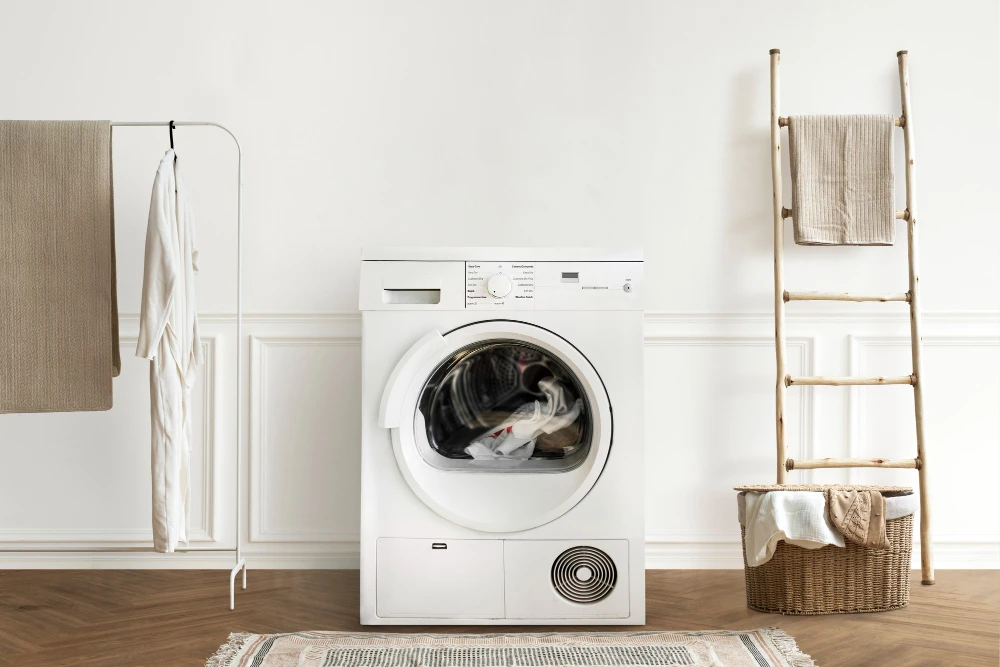
A washing machine makes laundry much easier, but it needs a clear drainage system to work well. When water cannot leave the machine, clothes may stay wet, bad smells can develop, and water may even leak onto the floor. Small drainage issues can quickly become bigger problems if they are ignored.
For homeowners who need washer repair in Surrey, BC, many drain problems can be linked to blocked hoses, dirty filters, damaged pumps, or poor maintenance. Knowing how to care for your washing machine can help prevent these problems and keep laundry day running smoothly.
1. Clean the Washer Drain Filter Regularly
The drain filter catches lint, hair, coins, buttons, and other small objects before they reach the drain pump. Over time, this debris can build up and slow the flow of water.
Watch for Signs of a Blocked Filter
If your clothes are very wet after a wash or water remains inside the drum, the filter may need attention. You may also notice slow draining or unusual sounds.
Check your appliance manual before opening or cleaning the filter. Regular cleaning may reduce the chance of needing washer repair for a blocked drainage system.
2. Check the Drain Hose for Problems
The drain hose carries dirty water from your washer into your home's drain system. If this hose becomes bent, blocked, or damaged, water may not leave the machine correctly.
Keep the Hose Clear
Look behind the washing machine and make sure the hose is not crushed against the wall. Check for visible cracks, bends, or leaks. The hose should also be installed at the correct height.
A simple hose inspection can prevent water backups and reduce the risk of needing washer repair later.
3. Avoid Putting Too Much Laundry in the Washer
It may be tempting to fit one more towel or pair of jeans into the machine. However, overloading can make your washer work harder than it should.
A heavy load can prevent proper spinning and draining. It also puts extra pressure on the motor, drum, and drain pump. Over time, this may lead to breakdowns and the need for washer repair.
Use the Right Load Size
Leave enough space for clothes to move freely inside the drum. Smaller, balanced loads allow water to drain more easily and help the washing machine clean clothes properly.
4. Prevent Washer Drain Problems in Surrey, BC
Surrey households often depend on their washing machines several times each week. Families with children, busy work schedules, or larger households may use them even more often. Regular use makes simple maintenance important.
When comparing options for the best washer repair in Surrey BC homeowners should look for technicians who understand different washer types, drainage systems, pumps, hoses, and electronic controls.
Pay Attention to Early Warning Signs
Do not wait until the washer stops draining completely. Slow drainage, standing water, strange noises, leaks, and error codes can all point to a developing problem. Early washer repair may prevent further damage to the appliance.
5. Use the Correct Amount of Detergent
More detergent does not always mean cleaner clothes. Using too much can create excess suds and leave soap residue inside the washer.
Soap, lint, and dirt can collect in hoses and other drainage parts. Over time, this buildup may restrict water flow.
Choose Detergent Made for Your Machine
If you have a high-efficiency washer, use HE detergent and follow the recommended amount. Correct detergent use keeps the washer cleaner and can lower the risk of drainage-related washer repair.
6. Check Clothing Pockets Before Every Wash
Small objects are a common cause of washer drain problems. Coins, tissues, hair clips, screws, and other items can fall out of pockets during a wash cycle.
These objects may enter the filter or reach the drain pump. A hard object can block or damage the pump and lead to washer repair.
Make checking pockets a regular part of laundry day. This simple habit takes only a few seconds but may protect important parts inside your machine.
7. Keep the Washing Machine Clean
Dirt does not only collect on clothes. Detergent residue, lint, hair, and fabric softener can build up inside a washing machine.
Clean the drum, detergent drawer, door seal, and accessible filters regularly. If your machine has a self-clean cycle, use it according to the manufacturer's instructions.
A clean appliance drains more efficiently and is less likely to develop smells, blockages, and other problems that may require washer repair.
8. Know When to Call a Washer Technician
Basic cleaning and visual checks can solve some minor issues, but not every drainage problem is a safe DIY job.
If the washer still contains water after you clean the filter and check the hose, there may be a problem with the drain pump, electrical system, sensor, control board, or another internal part.
A trained technician can test these components and find the cause. Professional washer repair can also help you avoid accidentally damaging other parts while trying to solve the original problem.
Conclusion
Good washer care starts with simple habits. Clean the filter, check the drain hose, avoid overloaded loads, use the right amount of detergent, and empty clothing pockets before every wash. Pay attention when your washer drains slowly, makes unusual sounds, leaks, or leaves water inside the drum.
When these steps do not solve the issue, searching for washer repair near me can help you find professional assistance. Surrey homeowners dealing with ongoing drainage problems can turn to AMP Appliance Repair for washer repair in Surrey BC and help getting their washing machine working properly again.























Sign in to leave a comment.