

A middle-aged professional in Pune may spend years blaming fatigue on stress, late dinners, or screen time; then an overnight sleep study reveals a different story. Repeated airway collapse. Oxygen dips. Hundreds of micro-arousals. The diagnosis is obstructive sleep apnea, a condition once treated in a fairly narrow way: confirm it in a lab, prescribe CPAP, hope the patient adapts. That old pathway is changing fast. Sensors are getting smaller, algorithms are getting sharper, and treatment is becoming more tailored to anatomy, severity, and patient preference.
Sleep apnea is not a niche issue. It is linked with hypertension, arrhythmias, daytime sleepiness, poor concentration, insulin resistance, and road accidents. In India, where awareness remains uneven and many patients are diagnosed late, the burden may be larger than clinic numbers suggest. The important shift in 2026 is not merely that there are more gadgets on the market. The real shift is that technology is moving sleep apnea care from a one-device model to a precision-care model; diagnosis is increasingly decentralized, monitoring is more continuous, and alternatives to standard masks are gaining clinical and commercial momentum.
Major media and research outlets have captured this transition. MSN’s report on new sleep apnea technology highlighted how treatment is expanding beyond traditional CPAP, while Yale’s 2026 coverage of the field described a future where therapy is selected with more nuance than a simple first-line default. Readers who want a broader primer can compare this analysis with this WriteUpCafe overview of innovation and precision in sleep apnea treatment and this companion explainer on what patients need to know. What emerges across these discussions is a clear pattern: sleep medicine is becoming more personal, more connected, and more data-driven.
For years, CPAP was treated as the answer. In 2026, it is better understood as one powerful answer among several; the best treatment now depends on phenotype, adherence, and lived reality.
From sleep labs to connected bedrooms: how diagnosis is changing
Traditional polysomnography remains the diagnostic gold standard for many patients, especially those with complex symptoms, coexisting lung or heart disease, or uncertain findings. Yet the bottleneck has always been access. Sleep labs are expensive to build, labor-intensive to operate, and concentrated in urban centers. For patients outside major metros, the path from suspicion to diagnosis can stretch for months. Technology is reducing that delay.
Home sleep apnea testing has become more capable and more acceptable. Modern devices can track airflow, respiratory effort, blood oxygen saturation, pulse, snoring, and body position with less friction than older systems. According to ScienceBlog’s report on smarter sleep technologies, new tools are helping accelerate both diagnosis and treatment initiation. That matters because untreated disease tends to compound itself; daytime fatigue lowers exercise tolerance, weight often rises, and cardiovascular risk can worsen.
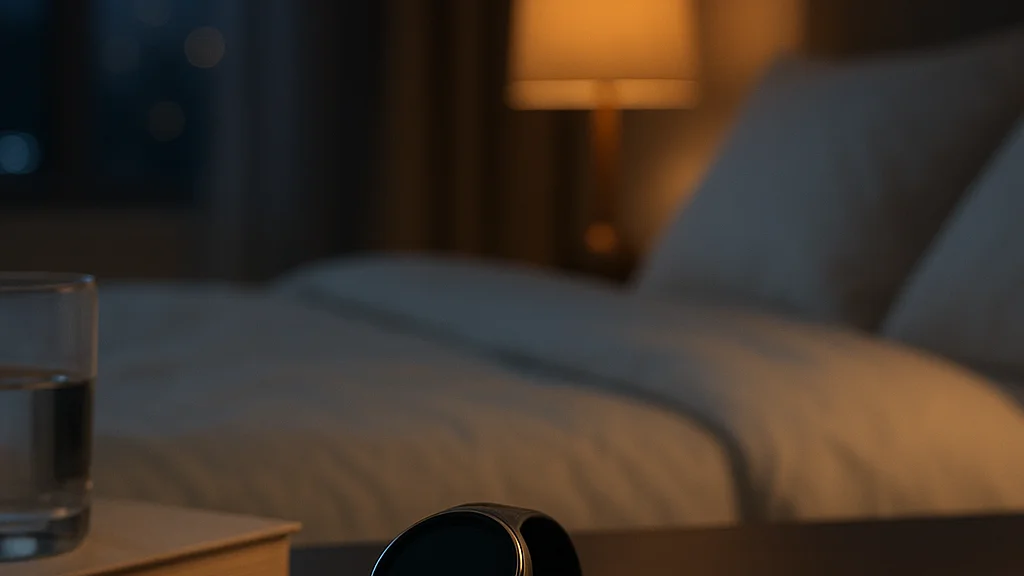
Wearables are also entering the conversation, though with an important caveat. A smartwatch or ring cannot replace a formal diagnosis on its own, but it can flag patterns worth investigating: repeated nocturnal oxygen drops, elevated resting heart rate, fragmented sleep, and snoring-associated disruptions. In practical terms, this means more people arrive at clinics with months of trend data rather than a vague complaint of “poor sleep.” The clinician still needs validated testing, but the starting point is stronger.
Artificial intelligence is improving triage as well. Algorithms can review large streams of overnight data faster than manual scoring alone, identify suspicious respiratory events, and prioritize patients who need urgent follow-up. That does not remove the sleep specialist from the loop; it reduces routine burden and helps scarce expertise reach the right patients sooner. In a country like India, where specialist density is limited relative to population, this workflow shift could be especially meaningful.
- Then: symptom complaint, referral wait, lab study, delayed interpretation, standard prescription.
- Now: symptom tracking, home testing, faster scoring, remote review, more individualized treatment selection.
- What it changes: shorter time to diagnosis, lower friction, and more opportunities to intervene before complications deepen.
There is also a cultural dimension. Many patients hesitate to seek care because snoring is normalized within families. Once technology translates snoring and fatigue into visible data; oxygen curves, event counts, sleep fragmentation; denial becomes harder to sustain. Data is not the whole story, but it can be the nudge that gets someone into treatment.
CPAP is improving, but it is no longer the whole story
Continuous positive airway pressure remains the backbone of therapy for many people with moderate to severe obstructive sleep apnea. It works by splinting the airway open with pressurized air, and when patients use it consistently, outcomes can be impressive. Blood pressure may improve, daytime alertness often returns, and bed partners usually notice the change before anyone else. The challenge has never been efficacy in theory; it has been adherence in real life.
Mask discomfort, dry mouth, claustrophobia, pressure intolerance, skin irritation, travel inconvenience, and noise sensitivity all contribute to abandonment. That is why the technology around CPAP has evolved. Newer machines often include auto-adjusting pressure, humidification, quieter motors, leak detection, cloud connectivity, and app-based coaching. These refinements may sound incremental, but they address the exact reasons many users struggle during the first month; which is the period that often determines whether treatment sticks.
Manufacturers and providers are also using connected care more intelligently. A modern CPAP system can transmit usage hours, leak rates, residual respiratory events, and pressure trends to clinicians or durable medical equipment partners. Instead of waiting three months to discover that a patient stopped using the device in week one, teams can intervene quickly with mask changes, pressure adjustments, or behavioral support. In sleep medicine, small practical fixes can have outsized effects.
Still, the field has matured beyond the assumption that every patient should simply “try harder” with CPAP. Yale’s 2026 reporting on the future of sleep apnea treatment emphasized alternatives beyond the standard mask-based pathway. That shift is clinically important because obstructive sleep apnea is not a single mechanical problem in every body. Some patients have tongue-base collapse, some have positional apnea, some have craniofacial contributors, and some have obesity-related airway narrowing. One therapy cannot fit every mechanism equally well.
The most useful question is no longer “Does CPAP work?” It does. The better question is “Which patient can realistically live with which therapy for years?”
For readers comparing options, this related WriteUpCafe article on how technology is reshaping treatment and this beginner-friendly guide help frame the patient journey from diagnosis to device choice. The takeaway is not anti-CPAP. It is pro-fit. Better technology is making CPAP more tolerable for many; at the same time, it is making it easier to identify those who need a different path.
The rise of alternatives: implants, oral devices, and positional tech
The most significant market and clinical development in recent years is the widening set of alternatives for patients who cannot tolerate CPAP or who are better suited to another modality. Among the most discussed options is hypoglossal nerve stimulation, an implanted therapy that stimulates muscles controlling the tongue to help keep the airway open during sleep. This approach has drawn attention because it directly addresses airway collapse without requiring a mask or continuous airflow. According to the Yale report on the future of sleep apnea treatment, this category is part of a broader move toward individualized intervention.
Implantable therapy is not for everyone. It requires careful selection, specialist evaluation, and procedural intervention. Cost and access remain real barriers, especially outside high-resource settings. Yet its growing visibility matters because it changes the conversation. Patients who once believed they had only two options; struggle with CPAP or remain untreated; now see a more credible therapeutic landscape.
Oral appliance therapy is another area of steady progress. These devices, usually fitted by trained dental sleep medicine professionals, reposition the jaw to reduce airway obstruction. They are particularly relevant for certain patients with mild to moderate disease or for those who cannot sustain CPAP use. Newer digital scanning and manufacturing workflows are improving fit and comfort, reducing some of the guesswork that historically limited satisfaction.
Positional therapy has also become smarter. A subset of patients experiences more severe apnea while sleeping on their back. Older advice relied on improvised solutions; tennis balls sewn into nightwear became the cliché. Contemporary positional devices use gentle vibration or wearable prompts to encourage side sleeping, with better data capture and compliance tracking. This may sound modest compared with implants and AI, but for the right patient it can be clinically meaningful and far easier to accept.
- Hypoglossal nerve stimulation: best considered for selected patients who cannot use CPAP and meet anatomical and clinical criteria.
- Oral appliances: useful for many with mild to moderate obstructive sleep apnea or CPAP intolerance.
- Positional therapy: relevant when apnea is strongly posture-dependent.
- Weight-linked interventions: often essential because body weight and airway mechanics are closely connected.
The AOL feature on sleep apnea treatments also reflects this broader ecosystem, including non-CPAP approaches and supportive lifestyle measures. That is an important reminder from a wellness perspective. Technology can be transformative, but it works best when paired with fundamentals: weight management, nasal care when indicated, alcohol moderation, regular sleep timing, and evaluation of contributing conditions. In Indian practice, this often means combining modern devices with sustainable routines rather than chasing a single miracle fix.
What 2026 looks like: personalization, platforms, and better follow-up
The 2026 story is not just about devices; it is about systems. Sleep apnea care is becoming platform-based. Diagnosis may begin with a wearable or home test, move to specialist confirmation, continue through cloud-connected treatment, and be reinforced by apps, teleconsultations, and automated adherence prompts. This connected pathway is changing who gets treated and how long they stay engaged.
One recent development is the stronger use of remote patient monitoring. Providers can now identify nonadherence patterns almost in real time, rather than relying on patient recall. If leak rates spike, if usage drops below target hours, or if residual events remain high, the care team can intervene earlier. This matters because patients often stop therapy for practical reasons that are fixable within days. The old model discovered those problems after motivation had already collapsed.
Another shift is the use of phenotyping and stratification. Instead of classifying everyone by event count alone, clinicians increasingly consider anatomy, obesity, arousal threshold, positional dependence, nasal obstruction, and cardiometabolic profile. That richer framework guides whether a patient might do best with CPAP, an oral appliance, a stimulation implant, surgery, positional therapy, or a combined plan. Better software and better imaging support this more nuanced matching process.
Consumer health technology is influencing expectations too. Patients now assume that health tools should be trackable, app-linked, and responsive. Sleep medicine, once a relatively siloed specialty, is adapting. The result is a more transparent treatment journey where patients can see trends rather than simply receive instructions. For many, that visibility improves motivation. When someone sees fewer events, steadier oxygen, and better sleep continuity over weeks, adherence becomes easier to justify.
- Remote monitoring is reducing delayed troubleshooting.
- Cloud-connected devices are making adherence measurable rather than anecdotal.
- AI-assisted scoring is helping speed interpretation of sleep data.
- Personalized treatment pathways are reducing the false binary of CPAP versus nothing.
There is a broader healthcare implication here. Sleep apnea intersects with cardiology, endocrinology, dentistry, ENT practice, and primary care. As technology lowers diagnostic friction, more cases will likely surface in multidisciplinary settings rather than only in dedicated sleep centers. That could expand treatment access; it could also create quality-control challenges if screening outpaces specialist oversight. The next phase of growth will depend on balancing scale with clinical rigor.
Where India fits in: opportunity, affordability, and the wellness gap
From an Indian perspective, the promise of these technologies is substantial, but so are the constraints. Urban India has excellent pockets of sleep medicine expertise, yet access remains uneven. Cost sensitivity is high; insurance coverage can be patchy; and many patients first present to a cardiologist, diabetologist, or ENT specialist rather than a sleep physician. That makes interoperable technology especially valuable. If a home test, teleconsultation, and remote follow-up can reduce travel and delay, more patients may enter care earlier.
Pune, Bengaluru, Hyderabad, and other innovation hubs are fertile ground for this shift because digital health adoption is already strong. Smartphone literacy is high among the middle class, and remote care habits strengthened significantly over the past decade. A patient who would once have abandoned the process after one cumbersome lab referral may now complete a home test, upload data, receive counseling, and begin treatment with far less disruption.
Yet technology alone will not solve the awareness problem. In many Indian households, loud snoring is still treated as comic relief rather than a warning sign. Daytime sleepiness gets blamed on overwork. Morning headaches are attributed to stress. Even among health-conscious people, sleep remains the least respected pillar of wellness; diet and exercise receive attention first. That is where culturally grounded education matters. Ayurveda has long emphasized rhythm, restoration, and the consequences of disturbed sleep. While Ayurveda does not replace evidence-based apnea treatment, its emphasis on disciplined routine can support adherence to modern therapy.
Affordability will shape the next chapter. Premium implants and advanced device ecosystems may remain out of reach for many patients. The practical frontier in India may therefore be:
- more accurate and affordable home diagnostics,
- better CPAP onboarding and mask fitting,
- expanded use of oral appliances where appropriate,
- telemedicine-led follow-up that reduces dropout,
- integrated counseling on weight, alcohol, and sleep hygiene.
The strongest model for India is likely hybrid rather than purely high-tech: validated devices, remote monitoring, local clinician support, and sustained behavior change. That may not sound glamorous, but in public-health terms it is where the biggest gains usually occur.
What patients and clinicians should watch next
The next few years will test whether sleep apnea technology can deliver not just novelty, but durable outcomes at scale. The central question is straightforward: do these tools help more people get diagnosed earlier, start the right therapy faster, and stay with it long enough to improve health? Some signs are encouraging. Diagnostics are becoming more accessible, adherence support is improving, and alternatives to CPAP are gaining legitimacy. But three issues deserve close attention.
First is validation. Not every wearable metric is clinically reliable, and not every algorithm performs equally well across age groups, body types, and coexisting conditions. Clinicians will need to separate consumer convenience from medical-grade evidence. Second is equity. If the best innovations remain concentrated among affluent urban patients, the treatment gap will persist. Third is integration. Sleep apnea rarely travels alone; it often coexists with obesity, hypertension, diabetes, depression, and nasal or jaw-related problems. The best technology will be the technology that fits into whole-person care.
For patients, the practical takeaways are clear. Persistent snoring, witnessed pauses in breathing, morning headaches, resistant hypertension, and unexplained daytime fatigue should prompt evaluation. If CPAP has failed once, that should not be the end of the story. The treatment menu is broader than it was even a few years ago. For clinicians, the message is equally direct: early screening, thoughtful phenotyping, and active follow-up now matter as much as the initial prescription.
Sleep apnea treatment is no longer a static transaction. It is becoming an adaptive process; diagnose earlier, match better, monitor continuously, and adjust before failure becomes abandonment.
That adaptive process is the real technological revolution. The future of sleep apnea care will not be defined by a single machine on a bedside table. It will be defined by connected diagnostics, better patient matching, smarter support, and a wider respect for sleep as a pillar of metabolic and cardiovascular health. For millions who have spent years waking unrefreshed, that is more than a device upgrade. It is a chance to reclaim the night; and with it, the day that follows.





















Sign in to leave a comment.