


Telehealth technology is changing how healthcare services are delivered by making medical consultations more accessible, convenient, and efficient. Patients can now connect with healthcare professionals through video consultations, remote monitoring tools, and secure digital platforms without always needing to visit a medical facility in person.
As demand for virtual healthcare continues to grow, healthcare organizations are adopting digital solutions to improve patient access, streamline operations, and support better coordination between providers. However, delivering telehealth services successfully requires more than technology. Proper clinical oversight, regulatory compliance, and qualified medical leadership are also essential.
The Growing Importance of Telehealth Technology
Telehealth allows healthcare providers to offer consultations, follow-up appointments, and certain patient monitoring services remotely. This approach can be particularly beneficial for patients living in rural communities or areas where access to healthcare professionals is limited.
Digital healthcare platforms can also reduce unnecessary travel, simplify appointment scheduling, and help providers communicate with patients more efficiently. For healthcare organizations, these benefits can improve operational flexibility and make it easier to serve patients across different locations.
Although telehealth cannot replace every in-person examination or medical procedure, it provides an effective alternative for many appropriate healthcare needs.
Key Benefits of Telehealth for Healthcare Providers
One of the primary advantages of telehealth is improved accessibility. Patients with mobility challenges, busy schedules, or limited transportation options may find virtual appointments easier to attend.
Telehealth can also help healthcare organizations manage their workflows more efficiently. Digital scheduling systems, electronic health records, and remote consultation tools allow providers to organize patient information and coordinate care more effectively.
Other important benefits include:
- Greater patient convenience: Patients can access appropriate medical services from home or another suitable location.
- Improved care coordination: Digital communication can help healthcare teams share relevant information.
- Operational flexibility: Providers can offer virtual appointments alongside traditional in-person services.
- Expanded service reach: Healthcare organizations may serve eligible patients in multiple locations, subject to applicable licensing and regulatory requirements.
These advantages make telehealth an increasingly valuable part of modern healthcare delivery.
Why Medical Oversight Matters in Virtual Healthcare
Technology alone cannot guarantee safe and effective medical care. Healthcare organizations need appropriate clinical leadership to establish protocols, support providers, review clinical practices, and address patient safety concerns.
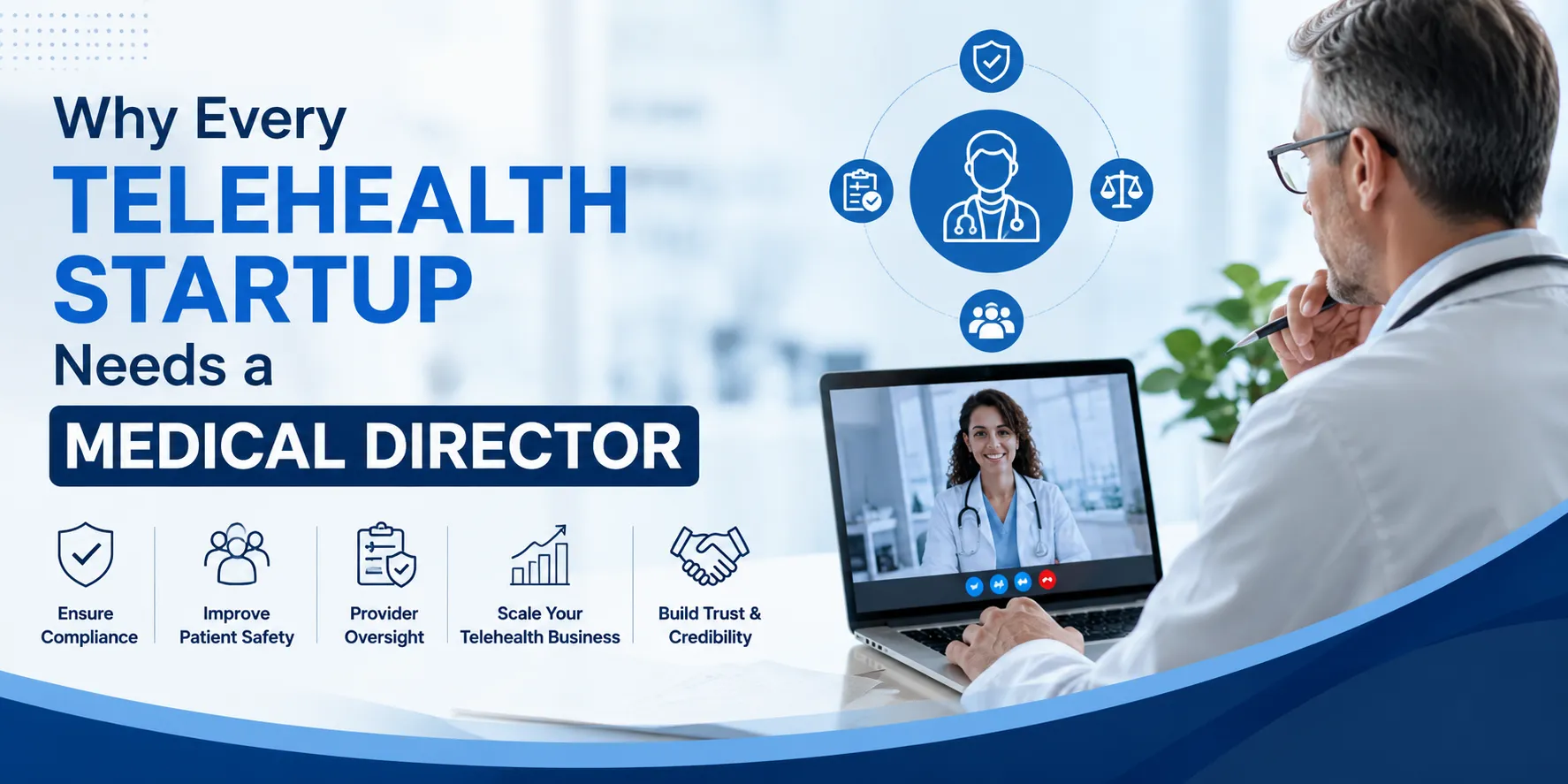
Professional medical director oversight service arrangements can help healthcare organizations establish clear responsibilities and maintain appropriate clinical supervision for their services.
Medical oversight may include developing clinical protocols, supporting quality assurance activities, reviewing policies, and helping organizations identify areas where clinical processes need improvement. The specific responsibilities depend on the healthcare setting, applicable laws, and the agreement between the organization and its medical director.
Strong oversight helps ensure that virtual care remains focused on patient safety, professional standards, and responsible clinical decision-making.
Maintaining Compliance in Telehealth Operations
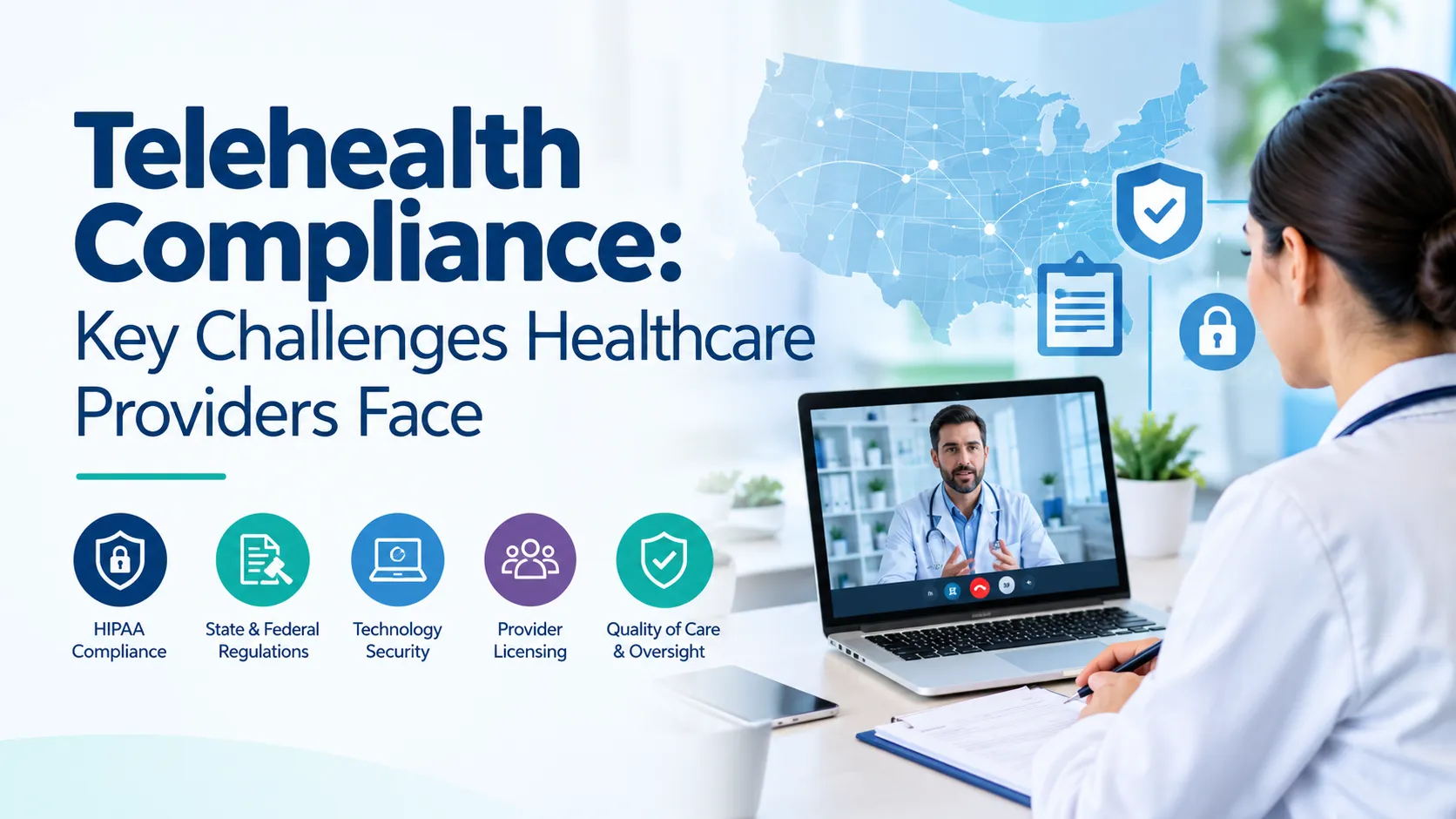
Telehealth organizations must consider several regulatory requirements when delivering virtual medical services. These may include professional licensing, patient privacy, informed consent, medical record management, prescribing rules, and state-specific telehealth regulations.
Organizations serving patients across multiple states should understand that requirements can differ depending on the patient's location, the services provided, and the professionals involved.
Implementing compliant telehealth physician oversight can support the development of appropriate clinical policies and oversight processes. Healthcare businesses should also consult qualified legal and compliance professionals to verify their obligations and ensure that their operational practices meet applicable requirements.
A well-organized compliance framework can reduce avoidable risks, clarify staff responsibilities, and support consistent service delivery.
Choosing the Right Telehealth Medical Oversight Partner
As virtual healthcare businesses expand, finding appropriate medical leadership becomes an important operational consideration. Organizations should evaluate potential partners based on their clinical experience, understanding of telehealth workflows, communication practices, and ability to support the organization's specific service model.
A reliable telehealth MD oversight company may help healthcare businesses coordinate physician leadership, develop clinical policies, and establish processes that support quality and compliance.
Before selecting a partner, healthcare organizations should clarify the scope of services, the medical director's responsibilities, documentation requirements, availability, and applicable state licensing considerations. They should also ensure that any proposed arrangement meets relevant legal and professional standards.
Choosing an appropriate oversight partner can help organizations build a stronger foundation for sustainable virtual healthcare operations.
The Future of Telehealth Technology
Telehealth is expected to continue evolving as digital health platforms, remote patient monitoring, and artificial intelligence tools become more integrated into healthcare workflows.
Remote monitoring devices can help clinicians collect relevant patient information between appointments, while digital platforms can support follow-up care and communication. Artificial intelligence may assist with administrative tasks and information management, although clinical decisions must remain subject to appropriate professional judgment and oversight.
The future of telehealth will depend not only on technological innovation but also on responsible implementation, patient trust, data security, and effective clinical governance.
Healthcare organizations that combine reliable technology with qualified professionals and clear operational processes will be better positioned to adapt to changing patient needs.
Conclusion
Telehealth technology is transforming modern healthcare by improving access, increasing convenience, and creating new opportunities for efficient service delivery. However, successful virtual healthcare requires more than digital platforms. Clinical leadership, patient safety, and regulatory compliance remain essential components of a sustainable telehealth model.
By investing in appropriate medical oversight, clear clinical protocols, and secure technology, healthcare organizations can strengthen their virtual services and provide more coordinated care. As the industry continues to develop, balancing innovation with responsible medical practice will remain central to delivering high-quality healthcare.
















Sign in to leave a comment.