How to Tell If Your Oven Needs Repair or Cleaning

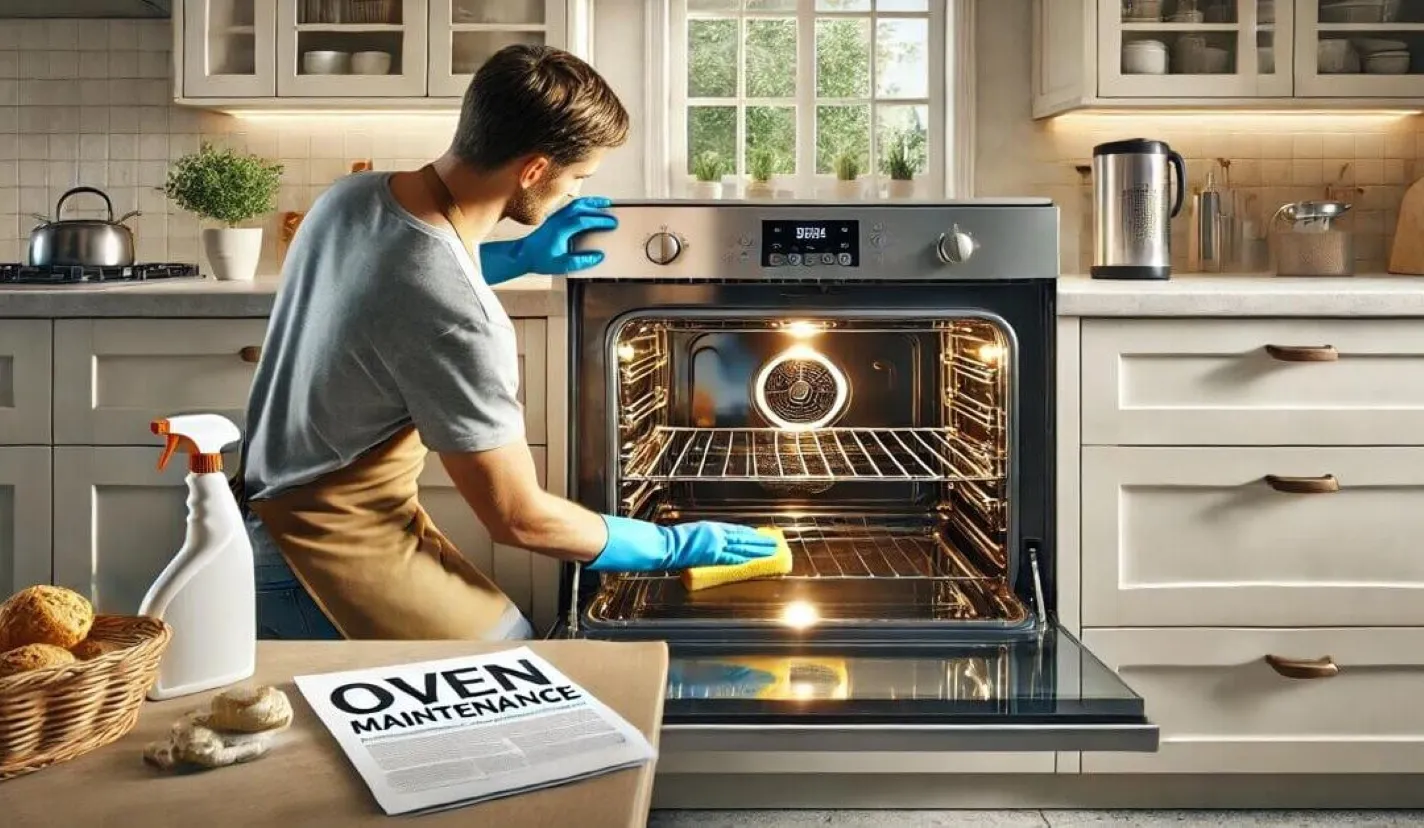
Cooking should feel simple, but a dirty or faulty oven can make meal preparation frustrating. Strange smells, uneven baking, and long preheating times may signal different problems. Knowing the difference between dirt buildup and a mechanical fault helps you choose the right solution. If you need oven repair in Tarzana, recognizing these signs early can also help you avoid bigger problems.
Why Is It Important to Identify Oven Problems Early?
Your oven needs regular cleaning and proper care to work well. Grease, food crumbs, and burnt spills can affect cooking results. However, damaged heating elements, faulty sensors, and broken door seals may require professional attention.
Understanding the warning signs can help you:
- Keep your oven working efficiently.
- Improve cooking results.
- Reduce smoke and unpleasant odors.
- Avoid further damage.
- Maintain a safer kitchen.
- Decide when to clean the oven or call a technician.
Let’s explore seven common signs and what they could mean.
1. Your Oven Produces Smoke or a Burning Smell
Smoke or a burning smell often points to grease, food crumbs, or spills inside your oven. When the oven heats up, these materials can burn and create smoke.
When cleaning may solve the problem
Check for visible food residue on the oven floor, racks, and interior walls. Once the oven cools, remove loose crumbs and clean greasy areas with a suitable oven cleaner. Follow the manufacturer's instructions.
When you may need a repair
A burning plastic or electrical smell may indicate damaged wiring or an electrical component. Persistent smoke without visible food residue also deserves attention.
What should you do? Turn off the oven if you notice unusual smoke or a strong electrical smell. Let it cool and investigate only when safe. If the smell continues, contact a qualified technician.
2. Your Food Cooks Unevenly
Does one side of your pizza burn while the other stays undercooked? Uneven cooking can result from several issues.
Grease buildup may affect airflow, while overcrowded racks can prevent heat from circulating properly. However, a faulty heating element, temperature sensor, or convection fan may also cause uneven results.
Try these steps first:
- Remove excess grease and food residue.
- Avoid covering vents or blocking airflow.
- Place cookware in the recommended rack position.
- Check whether your recipe requires a different temperature setting.
If your oven still cooks unevenly after cleaning and adjusting the rack position, schedule a professional inspection. A technician can test the heating elements, fan, and temperature controls.
3. Your Oven Takes Too Long to Preheat
Most ovens need time to reach the selected temperature. However, a noticeable increase in preheating time may signal a problem.
Food spills and grease usually do not explain a major change in preheating performance. Instead, a weak heating element, faulty temperature sensor, or power supply issue may prevent the oven from reaching the correct temperature.
What should you check?
- Confirm that you selected the correct cooking mode.
- Check whether the oven door closes completely.
- Look for visible damage to the heating element.
- Compare the oven's performance with its usual preheating time.
Avoid touching heating components while the oven remains hot. If the oven struggles to heat or never reaches the set temperature, professional diagnosis can help identify the cause.
4. You Notice Thick Grease or Burnt Food Inside
Visible grease, dark stains, and burnt food usually indicate that your oven needs cleaning. These deposits can create unpleasant odors and smoke during cooking.
Start by turning off the oven and letting it cool completely. Remove the racks if the manufacturer allows it. Clean the interior with a suitable product and a soft cloth.
Keep these tips in mind:
- Avoid abrasive tools that can scratch oven surfaces.
- Never spray cleaner directly onto heating elements or electrical parts.
- Follow the instructions for self-cleaning functions.
- Do not mix cleaning chemicals.
- Clean spills promptly after the oven cools.
If your oven works normally and only shows signs of dirt, cleaning may solve the problem. However, if smoke, temperature problems, or unusual noises continue afterward, investigate the issue further.
5. Your Oven Door Does Not Close Properly
A properly closed oven door helps maintain a steady cooking temperature. If the door has a loose hinge, damaged gasket, or alignment problem, heat can escape.
Look for these warning signs:
- The door leaves a visible gap.
- Heat escapes around the edges.
- The door feels loose when you open or close it.
- Food takes longer to cook than usual.
- The door seal shows cracks or tears.
Grease around the door edges may affect the seal, so careful cleaning can help. However, cleaning will not fix a broken hinge or damaged gasket.
If you notice these problems, arrange an inspection. A technician can determine whether the door needs adjustment or a replacement part.
6. Your Oven Makes Unusual Noises
A little sound during normal operation may not indicate a problem. Cooling fans and some convection systems naturally produce noise.
However, loud rattling, grinding, buzzing, or repeated clicking may signal a faulty fan, loose component, or electrical issue.
Before seeking help, check whether the racks or trays sit securely. Remove loose cookware and clean visible debris after the oven cools.
If the noise continues, avoid taking apart the appliance yourself. A qualified technician can inspect internal components and identify the source.
7. Your Oven Shows Error Codes or Stops Working
Modern ovens often display error codes when their systems detect a problem. These codes may point to temperature sensors, control boards, door locks, or other components.
Cleaning the oven may help if residue affects a door mechanism or sensor area, but it will not resolve every fault.
Follow these steps:
- Check your owner's manual for the displayed code.
- Confirm that the oven has the correct power supply.
- Follow the manufacturer's troubleshooting instructions.
- Avoid removing electrical panels or internal components.
- Contact a technician if the error persists.
For repeated faults, oven repair in Tarzana can help homeowners identify the problem and determine whether the oven needs a repair or a replacement part.
Cleaning or Repair: How Can You Tell the Difference?
Use these general guidelines to decide what to do next.
Sign | Likely next step |
| Grease, crumbs, or food spills | Clean the oven |
| Smoke caused by visible food residue | Clean and inspect |
| Uneven cooking after cleaning | Arrange a repair inspection |
| Long preheating times | Check settings, then seek diagnosis |
| Damaged door seal or loose hinge | Arrange a repair |
| Grinding noises or electrical smells | Stop using the oven and seek professional help |
| Persistent error codes | Follow the manual and contact a technician |
These signs offer useful clues, but some problems share similar symptoms. A professional inspection can help confirm the cause.
Final Thoughts
Knowing whether your oven needs cleaning or repair can save time and help you avoid unnecessary costs. Grease, crumbs, and burnt spills often respond to careful cleaning. Persistent heating problems, damaged seals, unusual noises, and electrical smells may point to a mechanical or electrical fault.
Start with simple cleaning and manufacturer-approved checks. If the problem continues, avoid using the oven until a technician checks any potentially unsafe fault. For ongoing issues, oven repair in Tarzana can help you find the cause and choose a suitable solution.
FAQs
1. How do I know if my oven needs cleaning or repair?
Visible grease, food crumbs, and burnt spills usually indicate a cleaning need. Persistent uneven cooking, long preheating times, unusual noises, or electrical smells may indicate a repair issue.
2. Can a dirty oven cause smoke?
Yes. Grease, food crumbs, and spills can burn when the oven heats up and produce smoke. Let the oven cool before cleaning it. If smoke continues after cleaning, investigate the cause before using the oven again.
3. Why does my oven cook food unevenly?
Uneven cooking can result from blocked airflow, incorrect rack placement, a faulty heating element, or a damaged temperature sensor. Clean the oven and check your cooking setup first. If the problem continues, arrange a professional inspection.
4. When should I call an oven repair technician in Tarzana?
Contact a technician if your oven fails to heat properly, displays recurring error codes, makes unusual noises, has a damaged door seal, or continues to cook food unevenly after cleaning. Stop using it if you notice electrical smells or other safety concerns.
5. How often should I clean my oven to prevent problems?
Clean spills as soon as the oven cools, and inspect the interior regularly. The right schedule depends on how often you cook and how much residue builds up. Follow your manufacturer's cleaning instructions to protect the oven's surfaces and components.




Sign in to leave a comment.