

Children develop skills at different rates, and some may need additional support with communication, movement, sensory processing, learning or everyday activities. For families navigating autism and developmental delay, therapy can provide practical strategies that help children build skills while recognising their individual strengths, preferences and pace of development.

Identifying Individual Strengths and Needs
Therapy begins by looking at the child as an individual rather than focusing only on areas of difficulty. A professional may consider communication, motor abilities, sensory responses, play, self care, social participation and daily routines.
Creating Personalised Goals
Goals can be based on activities that are meaningful to the child and family. For one child, this could involve learning to use cutlery independently. For another, the focus may be on handwriting, getting dressed, participating in classroom activities or managing sensory experiences.
Personalised goals can make therapy more relevant because children practise skills that have a clear purpose in their everyday lives.
Supporting Communication and Interaction
Communication difficulties can affect how children express their needs, understand instructions and interact with other people. Therapy can support communication by identifying practical ways for a child to participate more successfully.
Encouraging Functional Communication
Children may communicate through speech, gestures, facial expressions, pictures or other communication methods. Supporting the child's preferred communication style can help reduce frustration and encourage participation.
Therapy may also incorporate activities that encourage turn taking, following instructions, responding to others and participating in shared play.
Developing Fine Motor Skills
Fine motor skills are important for many childhood activities. Children use these abilities when drawing, writing, using scissors, handling toys, opening containers and managing clothing fasteners.
Improving Hand Skills
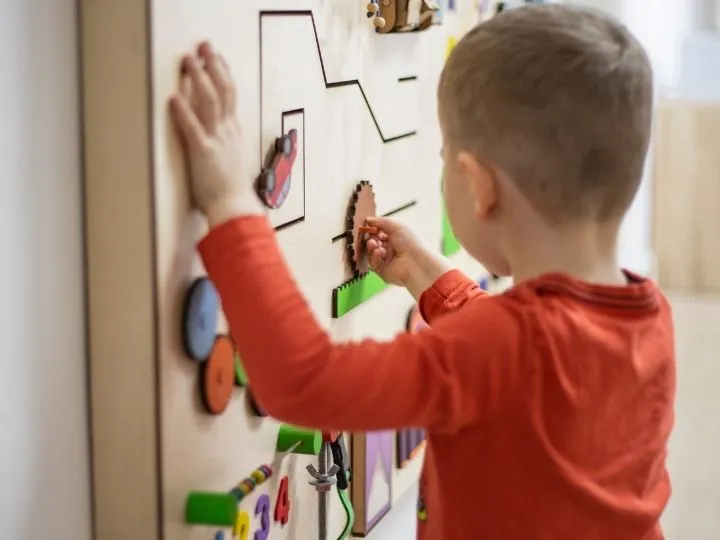
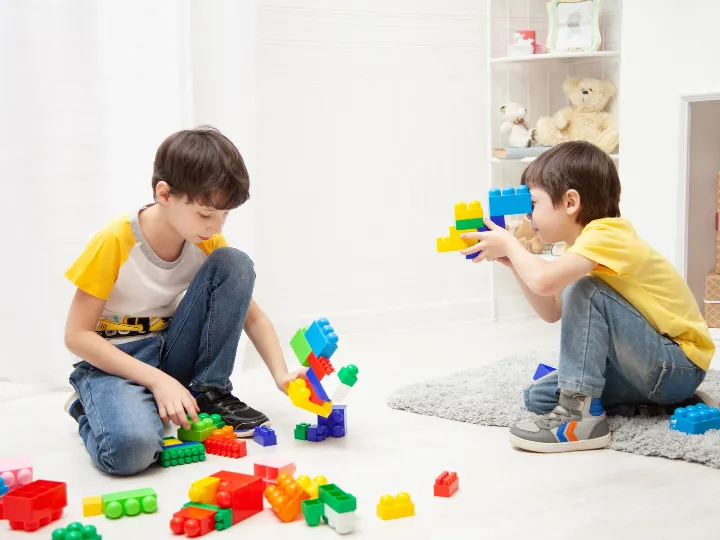
Therapy activities may involve puzzles, drawing, construction tasks, craft activities and other purposeful exercises. These activities can help children practise hand strength, coordination and control in an engaging way.
Improved fine motor abilities can make everyday tasks more manageable and support participation at home and school.
Building Gross Motor Abilities
Movement and coordination can also influence a child's confidence and independence. Some children may find activities involving balance, body awareness, climbing, running or jumping challenging.
Encouraging Movement Through Play
Therapy can incorporate movement into enjoyable activities rather than treating physical development as a repetitive exercise. Games involving balance, reaching, obstacle activities and coordinated movements can help children practise physical skills while remaining engaged.
Activities can be adjusted according to the child's abilities and gradually changed as their confidence develops.
Addressing Sensory Processing Differences
Some autistic children experience sensory information differently. Sounds, textures, movement, lights or smells may feel overwhelming, while other children may actively seek particular sensory experiences.
Making Daily Activities More Manageable
Therapy can help identify sensory preferences and consider how they affect participation. A child who struggles with noisy environments may need practical strategies for managing busy settings. Another child may benefit from planned movement activities throughout the day.
The aim is to help children participate more comfortably in meaningful activities while respecting their individual sensory needs.
Encouraging Self Care and Independence
Everyday self care activities provide important opportunities for children to develop independence. These can include dressing, eating, brushing teeth, toileting and organising personal belongings.
Breaking Tasks Into Smaller Steps
A complex activity can sometimes feel overwhelming when several actions are required at once. Therapy may break a task into smaller steps and provide appropriate prompts or visual supports.
As the child becomes more familiar with the routine, support can gradually be reduced where appropriate. This can encourage confidence and greater independence.
Supporting School Participation
School involves much more than academic learning. Children need to manage classroom routines, interact with peers, use learning materials and move between different activities.
Developing Classroom Skills
Therapy can focus on practical abilities such as pencil control, sitting comfortably, organising materials, following routines and participating in group activities.
Strategies can also help children manage sensory challenges that may affect concentration or participation within the classroom environment.
Helping Children Build Confidence
Therapy is not only about developing physical or practical skills. Positive experiences can also help children become more confident when approaching activities that previously felt difficult.
Celebrating Progress
Small improvements can represent meaningful progress. Completing part of a dressing routine, using a new communication method or joining a group activity can all be valuable achievements.
Recognising these steps can encourage children to keep practising without placing unnecessary pressure on them.
Involving Parents and Carers
Parents and carers understand their child's routines, preferences and challenges better than anyone. Their involvement can help ensure that therapy strategies are practical and relevant outside the therapy setting.
Using Strategies at Home
Professionals may suggest activities or adjustments that families can incorporate into everyday routines. Practising skills during familiar activities can provide regular opportunities for development without making every activity feel like formal therapy.
Communication between families and professionals can also help identify what is working and where strategies may need to change.
Frequently Asked Questions
Can therapy help every child with autism and developmental delay?
Therapy can provide support based on an individual child's needs, strengths and goals. The type of support and expected progress can vary considerably between children.
What areas can therapy address?
Depending on the child's needs, therapy may support fine motor skills, gross motor abilities, sensory processing, self care, communication, play, school participation and everyday independence.
How can parents support therapy at home?
Parents can incorporate recommended strategies into familiar routines such as dressing, mealtimes, play and school preparation. Consistent practice can provide additional opportunities to use developing skills.
When should parents consider seeking professional support?
Parents may consider seeking advice when ongoing difficulties affect their child's communication, self care, movement, sensory responses, learning, play or participation in everyday activities. An appropriate assessment can help identify areas where additional support may be useful.























Sign in to leave a comment.