

Maintaining a stable temperature is one of the most important requirements when transporting temperature-sensitive products. Pharmaceuticals, vaccines, biologics, diagnostics, food products, and other sensitive materials can lose their quality when exposed to temperatures outside their required range.
The thermal cover 2-8 degrees is designed to provide an additional layer of thermal protection around temperature-sensitive shipments. It can help reduce the impact of external temperature fluctuations during storage, handling, and transportation.
What Is a Thermal Cover for 2-8°C?
A thermal cover is an insulated protective covering used around containers, pallets, boxes, drums, or other shipment configurations. Its primary purpose is to slow down heat transfer between the shipment and the surrounding environment.
For products that need to remain between 2°C and 8°C, maintaining the required temperature throughout transportation can be challenging. Shipments may experience changing temperatures while moving between warehouses, loading areas, vehicles, airports, and delivery locations.
A suitable thermal cover can help provide additional protection during these temperature transitions.
Why Is 2-8°C Temperature Control Important?
The 2-8°C range is commonly used for various temperature-sensitive pharmaceutical and healthcare products. Maintaining this range helps protect product quality and supports appropriate cold chain handling practices.
Temperature excursions can happen because of several factors, including:
- Outdoor weather conditions
- Extended transportation times
- Loading and unloading delays
- Vehicle temperature fluctuations
- Airport or warehouse handling
- Improper packaging
- Exposure to direct sunlight
- Door openings during transportation
Thermal protection can help reduce the effect of these external conditions when used as part of a properly designed cold chain packaging system.
How Does a Thermal Cover Work?
Thermal covers work by reducing the rate at which heat moves between the external environment and the protected shipment.
Most thermal covers use insulating materials that create a barrier around the shipment. Depending on the design, the cover may include reflective layers, insulation, protective outer materials, and specialized construction for different shipping requirements.
The cover does not necessarily create cold temperatures by itself. Instead, it helps preserve the temperature created by the overall packaging and cooling system.
For example, if a shipment is packed using qualified cold-chain packaging and maintained within the required temperature range, a thermal cover can provide an additional protective layer against external heat exposure.
Benefits of Using Thermal Covers for 2-8°C Shipments
1. Helps Reduce Temperature Fluctuations
External temperatures can change significantly during transportation. A thermal cover can help slow the transfer of heat and reduce the impact of sudden environmental changes.
This can be particularly useful when shipments are temporarily exposed to warmer conditions during loading, unloading, or transportation.
2. Provides Additional Cold Chain Protection
Thermal covers work alongside insulated boxes, refrigerated transportation, coolants, and temperature monitoring devices.
Using multiple protective measures can create a more robust temperature-control strategy for sensitive shipments.
3. Supports Pharmaceutical Transportation
Pharmaceutical products often require carefully controlled transportation conditions. A thermal cover can provide an additional protective layer around shipping containers and palletized products.
However, the cover should be selected according to the shipment's validated packaging configuration and temperature requirements.
4. Useful for Different Shipment Sizes
Thermal covers are available in different sizes and configurations. They can be designed for applications involving pallets, boxes, drums, containers, and other shipping units.
Selecting the correct size helps ensure that the shipment receives adequate coverage.
5. Helps Protect Against Environmental Exposure
Direct sunlight and hot external conditions can increase the temperature around a shipment. A suitable thermal cover can reduce the direct impact of environmental heat on the protected packaging.
Where Can 2-8°C Thermal Covers Be Used?
Thermal covers can be useful across different stages of the cold chain, including:
- Pharmaceutical transportation
- Vaccine logistics
- Clinical trial shipments
- Medical product distribution
- Food and beverage transportation
- Temperature-sensitive laboratory products
- Warehouse handling
- Airport transportation
- Palletized cold chain shipments
Their application depends on the product requirements, packaging design, transportation duration, and environmental conditions.
Thermal Cover vs. Temperature Monitoring
Thermal protection and temperature monitoring serve different purposes.
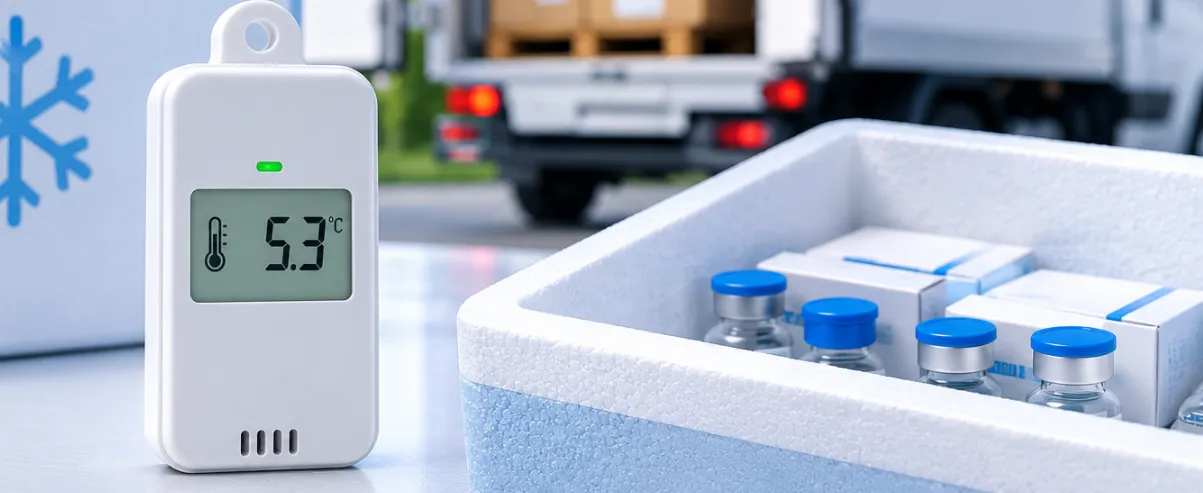
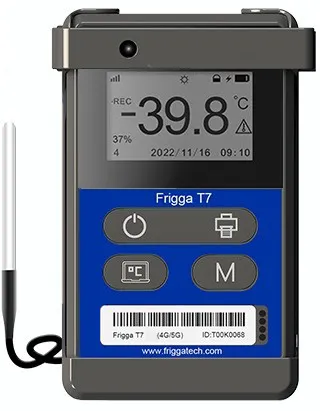
A thermal cover helps protect a shipment from external temperature conditions, while a temperature data logger records temperature conditions during transportation.
For critical cold chain shipments, combining both approaches can provide better visibility and protection. A suitable data logger can continuously or periodically record shipment temperatures, while the thermal cover helps reduce environmental temperature impact.
This combination can help businesses identify potential temperature excursions and evaluate transportation performance.
How to Select the Right Thermal Cover
Before selecting a thermal cover for a 2-8°C application, businesses should consider several factors.
Temperature Requirement
Confirm that the cover is appropriate for the required temperature range and intended application.
Shipment Size
Measure the pallet, box, drum, or container dimensions to ensure the cover provides suitable coverage.
Transportation Duration
Consider how long the shipment will be exposed to external conditions. Longer transportation periods may require a more comprehensive packaging solution.
Environmental Conditions
Evaluate expected ambient temperatures, humidity, sunlight exposure, transportation routes, and handling conditions.
Packaging Configuration
The thermal cover should work effectively with the existing insulated packaging, coolant system, container, and monitoring equipment.
Validation and Testing
For pharmaceutical and other critical applications, packaging performance should be evaluated under appropriate conditions. Businesses should follow their internal qualification procedures and applicable industry requirements.
Best Practices for Using Thermal Covers
To get the best performance from a thermal cover, proper handling is important.
First, inspect the cover before use and check for tears, damaged insulation, or other defects. Ensure that the cover is correctly positioned around the shipment without leaving significant areas unnecessarily exposed.
Avoid compressing or folding the insulation in a way that could affect its intended performance. Keep the shipment protected from unnecessary exposure during loading and unloading.
Temperature monitoring should also be considered for sensitive shipments. A data logger can provide useful information about the actual temperature conditions experienced during transportation.
Temp Note for Cold Chain Protection
Temp Note provides solutions focused on temperature monitoring and thermal protection for temperature-sensitive logistics.
For businesses managing pharmaceutical, healthcare, food, or other temperature-sensitive shipments, combining appropriate thermal protection with reliable temperature monitoring can help improve cold chain visibility and shipment handling.
Conclusion
Maintaining 2-8°C conditions requires more than simply covering a shipment. Effective cold chain protection involves suitable packaging, thermal insulation, temperature monitoring, proper handling, and controlled transportation practices.
A thermal cover can serve as an important additional layer of protection by helping reduce heat transfer and shielding temperature-sensitive shipments from external environmental conditions.
When selected according to shipment size, transportation duration, environmental conditions, and packaging requirements, thermal covers can support more reliable cold chain transportation and help businesses protect temperature-sensitive products throughout their journey.


























Sign in to leave a comment.