How Third-Party Logistics Is Improving Modern Delivery Networks


The rapid growth of e-commerce has changed how businesses manage their supply chains. Customers expect products to arrive quickly, safely, and with accurate tracking information. Meeting these expectations requires businesses to build efficient fulfillment and transportation networks that can respond to changing demand.
One of the most important stages of the supply chain is the movement of products from a distribution center to the customer's doorstep. This stage directly influences customer satisfaction because it is often the final interaction between the customer and the delivery process.
The Importance of Efficient Delivery
Businesses face several challenges when managing deliveries. Traffic congestion, changing customer locations, delivery failures, high transportation costs, and fluctuating order volumes can affect operational performance.
Efficient delivery planning can help companies reduce unnecessary transportation expenses while improving service reliability. Technology also plays an important role by providing shipment visibility, automated notifications, route optimization, and real-time delivery updates.
For growing businesses, managing these activities internally can become increasingly complex. This is where outsourcing logistics operations can provide significant advantages.
Understanding Third-Party Logistics
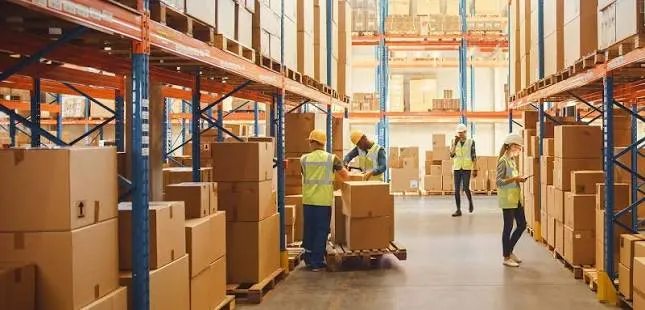
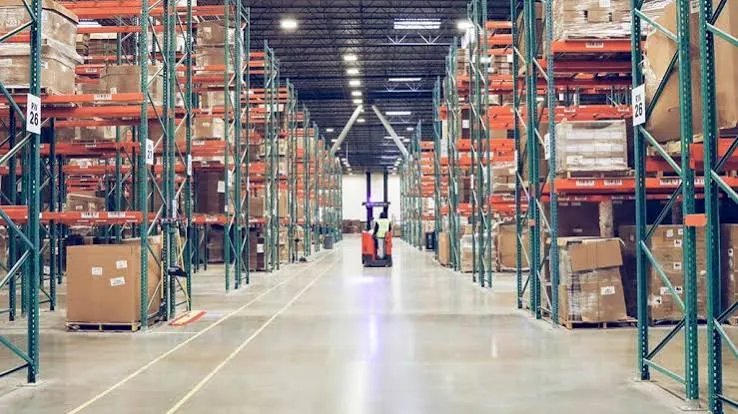
Third-party logistics involves partnering with an external provider to manage selected supply chain activities. Depending on business requirements, services may include warehousing, inventory management, order fulfillment, transportation, packaging, and returns management.
Outsourcing these functions allows businesses to access established infrastructure and logistics expertise without making substantial investments in their own network.
For e-commerce and direct-to-consumer brands, this approach can also make it easier to expand into new markets while maintaining consistent operational standards.
How Technology Supports Delivery Operations
Technology has become a central part of modern logistics. Delivery management platforms can provide real-time information about shipments, routes, delivery status, and customer communication.
Route optimization systems can analyze multiple variables to identify efficient delivery sequences. This can reduce travel time and help delivery teams handle more orders within the same operational window.
Data analytics can also help businesses identify recurring delivery problems. For example, companies can analyze failed deliveries, delayed shipments, and high-demand locations to improve future planning.
Benefits of Working With Logistics Providers
Partnering with experienced logistics providers can offer several benefits. Businesses can access wider delivery networks, trained personnel, warehouse facilities, and technology systems.
Scalability is another major advantage. During festivals, promotional campaigns, or seasonal periods, order volumes can increase significantly. A flexible logistics network can help businesses handle these fluctuations without permanently increasing their internal infrastructure.
Reliable logistics support can also allow companies to focus more on product development, marketing, and customer relationships.
Selecting the Right Logistics Partner
Businesses should carefully evaluate potential providers before entering into a partnership. Important factors include geographic coverage, technology capabilities, service quality, scalability, pricing, and customer support.
Clear service-level expectations should also be established. Businesses can define requirements related to delivery timelines, order accuracy, shipment handling, reporting, and returns.
The provider's experience with similar products and business models should also be considered. A specialized approach can help address unique requirements related to fragile goods, high-value products, temperature-sensitive items, or large order volumes.
The Future of Delivery
The logistics industry is moving toward greater automation, real-time visibility, and data-driven decision-making. Artificial intelligence, predictive analytics, electric vehicles, and automated fulfillment technologies are expected to influence future delivery networks.
As businesses continue to expand their digital sales channels, last-mile delivery will remain a critical part of customer experience and supply chain performance.
Meanwhile, 3PL companies in India can help businesses manage complex logistics requirements by providing scalable infrastructure, technology, and operational expertise.
Conclusion
Efficient logistics is no longer simply about transporting products from one location to another. It is about creating a reliable and responsive supply chain that supports customer expectations and business growth.
By combining technology, strategic planning, and specialized logistics expertise, businesses can improve delivery performance, control costs, and create stronger customer experiences. As e-commerce continues to expand, efficient logistics partnerships will remain an important part of sustainable business growth.






Sign in to leave a comment.