

Nature is constantly changing, but many of its most beautiful transformations happen so slowly that we rarely notice them. Clouds drift across the sky, shadows move across the landscape, and storms develop from distant clouds into powerful displays. Timelapse photographers have a unique ability to reveal these changes by compressing hours, days, or even longer periods into a short visual sequence.
Timelapse photography is more than simply taking hundreds of photographs. It requires patience, planning, technical knowledge, and a strong understanding of natural light. Photographers carefully choose a location, compose the scene, and determine how frequently images should be captured. When these individual photographs are played together, nature appears to move at an accelerated pace.
Capturing the Changing Sky
The sky is one of the most fascinating subjects for timelapse photography. Clouds can transform an ordinary landscape into something dramatic within minutes. Sunrises and sunsets create constantly changing colors, while approaching storms can produce incredible patterns across the horizon.
Professional timelapse photographers often spend hours waiting for the right conditions. A scene that appears quiet at first can eventually become a spectacular visual story. This patience is an important part of the creative process.
The Role of Weather
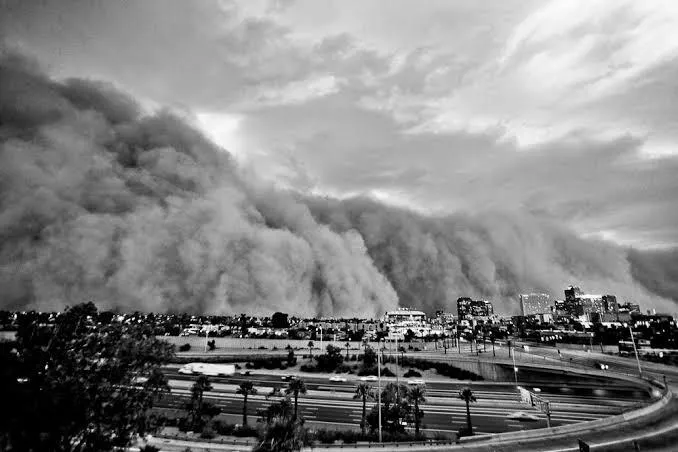
Weather plays a major role in creating compelling timelapse sequences. Storm clouds, lightning, rain shafts, dust storms, and rapidly changing skies can add movement and drama to a scene.
This is one reason the work of Mike Olbinski stands out. Known for documenting dramatic weather and powerful skies, Mike combines photography and timelapse techniques to showcase the energy of nature. His work demonstrates how changing weather can become a visual narrative rather than simply a single photograph.
Planning a Timelapse
Creating a successful timelapse starts before the camera is turned on. Photographers need to consider the direction of sunlight, expected weather conditions, foreground elements, and the amount of movement within the scene.
Camera stability is also essential. A sturdy tripod helps keep every frame aligned, while consistent exposure and focus settings help maintain a smooth sequence. Depending on the subject, photographers may capture an image every few seconds or several minutes.
Turning Moments Into Stories
The real strength of timelapse photography is its ability to show something that a single photograph cannot. One image might capture a beautiful cloud formation, but a timelapse can reveal how that cloud formation developed and transformed over time.
For timelapse photographers, this creates an opportunity to tell stories about landscapes, weather, seasons, and natural events. Instead of freezing one moment, the photographer presents a complete progression.
Experience Nature Differently
Timelapse photography encourages viewers to notice movement and change in the natural world. Whether it is a sunrise over the desert or a massive storm developing across the horizon, these sequences make familiar landscapes feel extraordinary.
Through his distinctive approach to weather and landscape photography, Mike Olbinski continues to demonstrate how patience, technology, and creativity can transform fleeting moments into lasting visual experiences.


























Sign in to leave a comment.