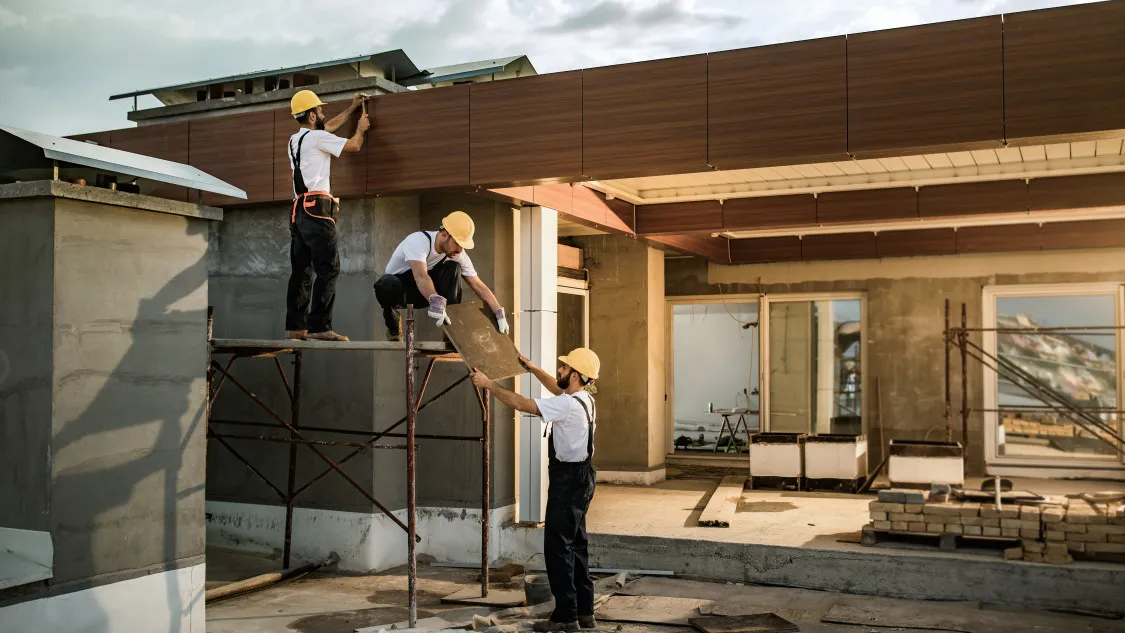

Your home should feel comfortable on a cold winter morning, look inviting when friends visit, and hold up to the demands of everyday life. Yet many Syracuse homeowners find themselves choosing between attractive finishes, practical features, and materials that can withstand years of use. A beautiful room may be difficult to maintain, while a durable surface might not match the warm, welcoming atmosphere you want.
The challenge becomes even more noticeable when you are renovating an older property, expanding your living space, or planning a major upgrade. Syracuse winters, humid summers, snow, and temperature changes all influence how a home performs. The right decisions can help you create a space that looks good, works for your family, and remains dependable over time.
Finding the Right Balance for Your Home
A successful home improvement project begins with understanding how you actually use your space. Families with young children may need scratch-resistant flooring and easy-to-clean surfaces, while homeowners who entertain guests might prioritize an open kitchen, comfortable seating, and attractive lighting.
Thoughtful Residential Construction brings these priorities together instead of treating appearance, comfort, and durability as separate goals. It considers the home's layout, structural needs, material choices, and everyday routines before work begins.
For example, replacing worn flooring with a durable, attractive option can improve the appearance of a room without creating additional maintenance headaches. Similarly, adding storage during a renovation can make a beautiful space more functional by reducing clutter.
The goal is not to spend the most money on every feature. It is to invest wisely in improvements that provide lasting value.
Real Home Improvement Challenges Syracuse Residents Face
1. Materials That Struggle With Local Weather
Central New York weather can be demanding on residential properties. Heavy snowfall, freezing temperatures, spring moisture, and summer humidity can affect exterior materials, entryways, windows, and indoor comfort.
Poorly sealed doors, inadequate insulation, and unsuitable exterior finishes may contribute to drafts, moisture problems, and unnecessary maintenance. Materials that perform well in a mild climate may not deliver the same results through a Syracuse winter.
Homeowners should consider local weather exposure when selecting siding, roofing materials, insulation, windows, and exterior finishes. Choosing products suited to the conditions can help protect the home while maintaining its appearance.
2. Beautiful Rooms That Are Difficult to Maintain
A dramatic kitchen backsplash or delicate flooring might look wonderful in a showroom, but everyday use can reveal its limitations. Busy households need surfaces that tolerate spills, frequent cleaning, foot traffic, and occasional accidents.
This does not mean giving up on style. Porcelain tile, appropriately rated flooring, washable paint, and well-sealed countertops can offer an attractive appearance without demanding constant attention.
The best choice depends on the room, the people using it, and the level of maintenance you are comfortable handling.
3. Renovations That Do Not Improve Daily Living
Some homeowners invest in new finishes only to discover that the underlying problems remain. A renovated kitchen can still feel cramped if the layout is inefficient, and a newly finished basement may remain uncomfortable if moisture concerns were overlooked.
These issues often arise when projects focus on visible changes before addressing practical needs. A better approach evaluates storage, lighting, circulation, insulation, ventilation, and structural conditions before choosing decorative details.
Solving these problems early can prevent avoidable expenses and help every improvement serve a clear purpose.
Designing for Syracuse's Seasons and Neighborhoods
Syracuse homes vary considerably, from established properties around Eastwood and Sedgwick to homes near Westcott Street and newer residential developments throughout the surrounding area. Each property brings its own opportunities, maintenance concerns, and design possibilities.
Older houses may have distinctive woodwork, compact rooms, or layouts that need thoughtful updating. Rather than removing every original feature, homeowners can preserve appealing details while improving insulation, storage, lighting, and room functionality.
Properties exposed to harsh winter winds may benefit from careful air sealing and suitable window upgrades. Homes with busy entryways can benefit from durable flooring, coat storage, and a practical place for wet boots and snow-covered clothing.
Seasonal planning also matters outdoors. Exterior materials should be selected with moisture management, drainage, temperature fluctuations, and expected maintenance in mind.
These considerations help homeowners make decisions based on the actual property rather than following a design trend that may not suit their needs.
Practical Ways to Combine Comfort, Style, and Durability
Step 1: Identify Your Everyday Priorities
Before choosing colors or materials, make a list of what currently frustrates you about your home. Perhaps the kitchen lacks counter space, the bathroom is difficult to clean, or the living room feels cold during winter.
Separate your needs into three categories:
- Comfort: Better temperature control, improved lighting, quieter rooms, or more usable space.
- Style: Colors, finishes, architectural details, and design features that reflect your preferences.
- Durability: Materials and construction methods that withstand regular use and local weather.
Rank these priorities so your budget supports the changes that matter most. A clear plan makes it easier to compare options without getting distracted by attractive extras.
Step 2: Choose Materials for the Room's Purpose
Different rooms require different performance characteristics. Flooring suitable for a quiet bedroom may not be ideal for a busy mudroom, and a decorative wall finish may not be practical in a high-moisture bathroom.
Consider these options when planning your project:
- Kitchens: Durable countertops, easy-to-clean backsplashes, sturdy cabinet hardware, and practical storage.
- Bathrooms: Appropriate waterproofing, moisture-resistant materials, effective ventilation, and slip-conscious flooring.
- Living areas: Comfortable finishes, layered lighting, durable flooring, and layouts that support conversation.
- Entryways: Hard-wearing surfaces, convenient storage, and finishes that tolerate wet shoes and winter debris.
- Exterior spaces: Weather-appropriate siding, sound drainage, suitable sealants, and materials selected for local exposure.
Always check product specifications and installation requirements. Even a high-quality material can perform poorly if it is installed incorrectly or used in an unsuitable location.
Step 3: Improve the Structure Behind the Finishes
Comfort begins with more than furniture and decorative details. Insulation, air sealing, moisture control, ventilation, and properly functioning building systems can influence how comfortable and dependable a home feels.
Before covering walls or replacing finishes, investigate signs of leaks, recurring condensation, uneven floors, or persistent drafts. Addressing the source of a problem is generally more effective than repeatedly repairing its visible symptoms.
Depending on the project, improvements may require qualified specialists, permits, or inspections. Planning these requirements early can reduce disruptions and help protect the home's long-term value.
Step 4: Make Every Square Foot Work Harder
You do not always need a larger house to gain more usable space. Better storage, improved room layouts, and carefully planned additions can make an existing property feel more accommodating.
Consider built-in shelving, organized pantry storage, bathroom niches, or multipurpose rooms. During a kitchen renovation, relocating cabinets or adjusting work areas may improve movement without requiring an extensive expansion.
If your household needs more substantial changes, discuss whether a room addition, basement renovation, or revised floor plan makes the most sense. The right solution depends on your property's condition, budget, and long-term plans.
Step 5: Plan the Budget Before Work Begins
A realistic budget should account for materials, labor, permits where applicable, and possible surprises uncovered during construction. Older Syracuse homes may require additional work if contractors discover outdated wiring, hidden water damage, or other concealed issues.
Request a written estimate that explains the proposed work, material allowances, payment schedule, and how changes will be handled. Keep a contingency reserve for unexpected expenses rather than committing every dollar to the original design.
Spending strategically often produces better results than choosing the cheapest option in every category. Durable materials and correct installation may reduce repair needs over the years.
How a Local Contractor Can Simplify the Process
Planning several improvements at once can become overwhelming. Coordinating materials, scheduling trades, comparing estimates, and understanding construction requirements takes time, especially when you are trying to maintain your normal household routine.
Joel's Construction Services helps Syracuse homeowners approach construction and remodeling projects with a focus on practical needs, careful planning, and dependable workmanship. Whether you are updating a kitchen, improving a bathroom, renovating a basement, or considering a home addition, discussing your goals before work begins can help establish a clear direction.
A useful planning process should include:
- Reviewing the existing space and identifying the most important concerns.
- Discussing design preferences, household needs, and realistic budget limits.
- Evaluating suitable materials and construction approaches.
- Clarifying the project scope, anticipated schedule, and any necessary approvals.
- Reviewing progress and addressing changes before they become larger problems.
Clear communication matters just as much as the finished appearance. Homeowners should know what work is included, whom to contact with questions, and how unexpected issues will be discussed.
When comparing Residential Construction Near Me options, look beyond photographs and advertised prices. Ask about relevant experience, references, insurance, licensing requirements, written estimates, and how the contractor handles changes or delays.
For homeowners comparing Residential Construction Syracuse NY services, local familiarity can also be valuable. A contractor who understands the region's seasonal conditions and the challenges associated with older homes can help identify practical considerations before they affect the project.
Building Trust Through Better Planning and Workmanship
Trust starts with realistic expectations. A dependable contractor should explain what is included in the estimate, identify important exclusions, communicate scheduling limitations, and provide a clear process for approving additional work.
Before signing an agreement, ask questions such as:
- Is the proposed scope of work documented in writing?
- Are material choices and allowances clearly explained?
- Who will coordinate the work and communicate updates?
- What insurance coverage and licenses are required for this project?
- Will permits or inspections be necessary?
- How are workmanship concerns and changes handled?
In New York, licensing requirements can vary by municipality and type of work. Syracuse homeowners should verify applicable local requirements and confirm that any necessary permits are addressed before construction begins.
It is also wise to discuss warranties, maintenance expectations, and care instructions for installed products. These details help you understand how to protect your investment after the workers leave.
A respectful construction process should account for your household, protect unaffected areas where practical, and communicate disruptions as clearly as possible. While no major project is completely free of inconvenience, good planning can make the experience much more manageable.
Frequently Asked Questions
Q 1. What should I prioritize when renovating my home?
Ans: Start with safety, structural condition, moisture control, and essential building systems. Then address comfort, layout, storage, and decorative finishes according to your budget.
Q 2. Which home materials are best for Syracuse winters?
Ans: Choose materials rated for the intended application and local climate. Proper insulation, air sealing, weather-resistant exterior products, and suitable moisture protection are important considerations.
Q 3. How can I make my home stylish without increasing maintenance?
Ans: Select durable flooring, washable paint, practical countertops, quality hardware, and finishes that suit your household's daily activities. You can still personalize the space through colors, lighting, and decorative accents.
Q 4. How much does a home renovation cost in Syracuse, NY?
Ans: Costs vary with project size, material selections, labor, permits, and existing conditions. Request a detailed estimate based on your specific property and keep a reserve for unexpected repairs.
Q 5. Do I need permits for residential construction in Syracuse?
Ans: Some projects require permits or inspections, depending on the work involved and applicable local codes. Confirm the requirements with the appropriate Syracuse or local building department before starting.
Q 6. How do I choose a reliable construction contractor?
Ans: Compare written estimates, relevant experience, references, insurance, applicable licenses, communication practices, and contract terms. Avoid choosing solely on the lowest initial price.
Q 7. Can I improve comfort and durability without a complete renovation?
Ans: Yes. Targeted improvements such as air sealing, better lighting, updated flooring, improved storage, and bathroom ventilation can make a meaningful difference without remodeling the entire house.
Create a Home That Works for You
A comfortable, attractive home should support your everyday life rather than create another list of maintenance problems. With thoughtful material choices, practical layouts, attention to Syracuse's seasonal conditions, and careful construction planning, you can create spaces that remain appealing and useful for years.
The smartest improvements balance what you love about your home with what it needs to perform well. Start with your priorities, establish a realistic budget, and work with a contractor who values clear communication and quality workmanship.
Joel's Construction Services can help you explore practical options for your next home improvement project, from remodeling existing rooms to planning a larger addition. If you are considering Residential Construction, reach out to discuss your goals and take the first step toward a home that brings together comfort, style, and lasting durability.

























Sign in to leave a comment.