

Bed Bugs Are Back on the Rise — Here's How to Actually Stop Them
Bed bugs have made a well-documented comeback over the past couple of decades, and Australia hasn't been spared. Increased international travel, second-hand furniture, and shared accommodation have all contributed to a steady rise in infestations, particularly in cities. Unlike dust mites, which are mostly an allergy concern, bed bugs are a direct nuisance — they bite, they spread between rooms and even buildings, and once established, they're notoriously difficult to eliminate with sprays and chemical treatments alone. The most reliable long-term defence isn't a chemical at all; it's physical barrier protection combined with a few sensible habits.
Why Bed Bugs Are So Hard to Get Rid Of
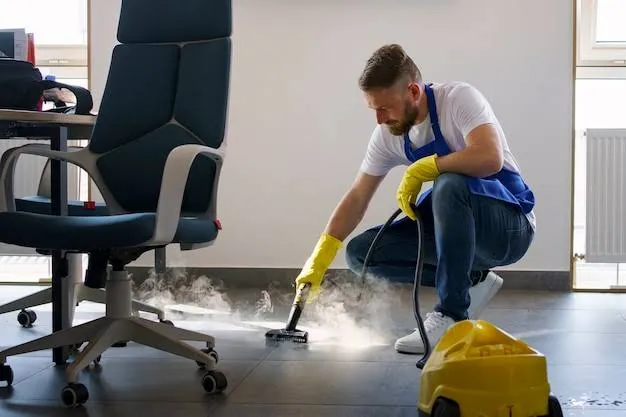
Bed bugs are resilient in ways that surprise most people. They can survive for several months without feeding, hide in seams, cracks, and crevices far from the mattress itself, and have developed resistance to a number of common insecticides over the years. This is why pest controllers increasingly recommend a layered approach: chemical or heat treatment to deal with an active infestation, paired with physical barriers that prevent bugs from re-establishing themselves afterward. Without that second layer, it's common for an infestation to appear resolved only to resurface weeks later from bugs that survived in an untreated crevice.
Encasements: The First Line of Defence
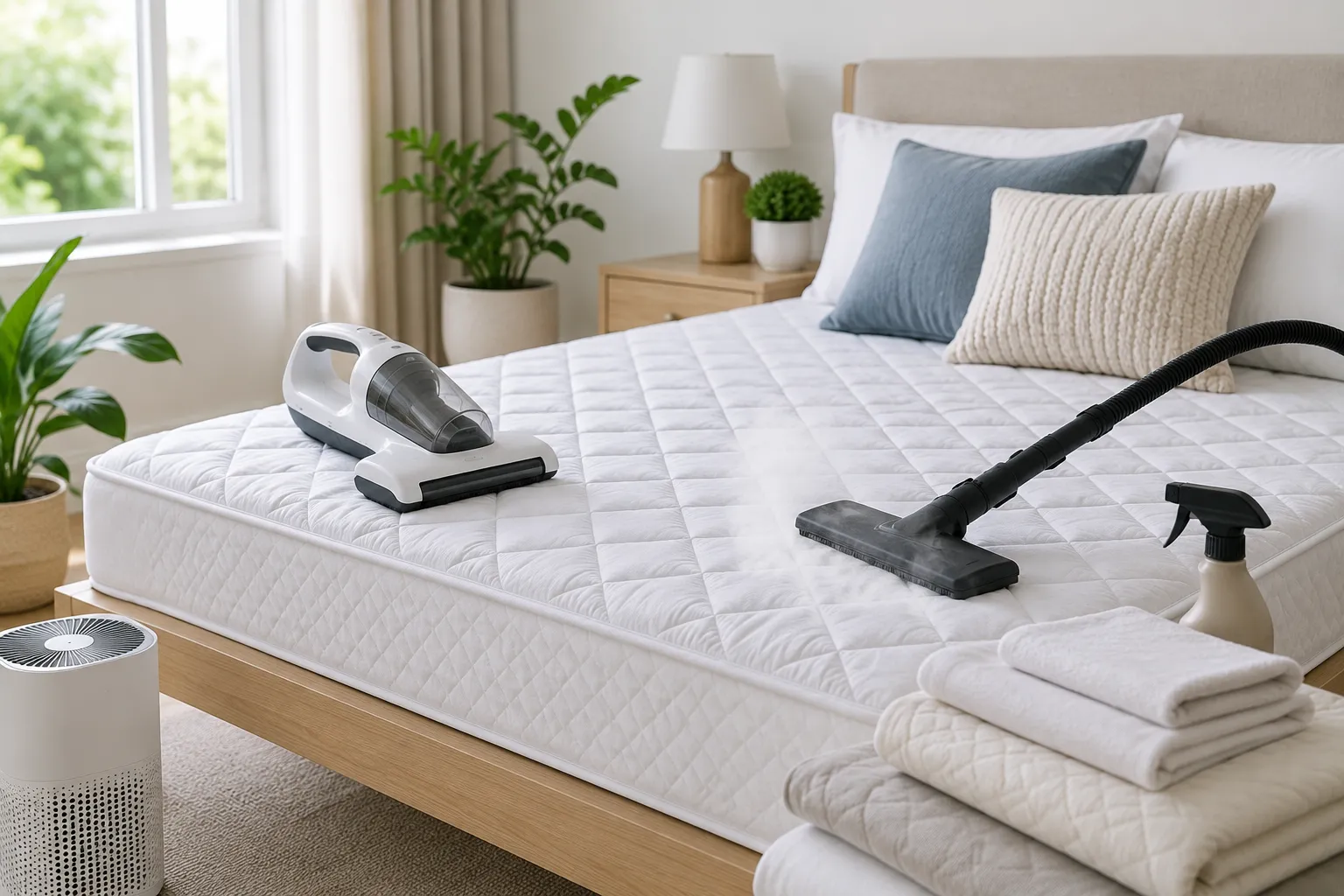
The single most effective physical barrier is a fully zippered encasement around the mattress. A properly fitted zippered cotton mattress encasement seals the entire mattress — top, sides, and base — so that any bugs already inside are trapped and eventually die off from lack of access to a host, while new bugs are physically unable to burrow in or nest inside the seams. This is a meaningfully different function from a standard mattress topper or protector, which typically only covers the sleeping surface and leaves the sides and underside exposed.
The same principle applies to pillows, which are frequently overlooked despite being handled and moved around more than almost anything else in the bedroom. A waterproof pillow protector with full bed bug encasement closes off the entire pillow in the same way, which matters because pillows are often the first place bugs are transported into a room via luggage, bags, or secondhand purchases.
Quilts and Doonas Need Protection Too
It's easy to focus entirely on the mattress and pillows while forgetting that quilts and doonas spend just as much time in direct contact with a sleeping body. A waterproof knitted-jersey quilt protector offers the same sealed protection for bedding, and the knitted-jersey construction in particular tends to feel softer and more breathable against the skin than stiffer vinyl-style alternatives, which makes it easier to actually use night after night rather than something people abandon after a few uncomfortable sleeps.
Building a Habit, Not Just a Purchase
Buying the right protective gear is only half the equation — consistency is what actually keeps an infestation from taking hold or returning. A few habits worth adopting alongside barrier products:
Inspect secondhand furniture, particularly upholstered pieces and bed frames, before bringing them into the home. Wash and heat-dry luggage contents after travel, since hotel rooms are one of the most common transmission points. Check the seams of mattress encasements periodically for small tears, since even a small opening can undermine the whole barrier. And if you do suspect an active infestation, treat the source first — protective encasements work best at preventing re-infestation, not as a stand-alone cure for bugs that are already established.
The Bottom Line
Bed bugs aren't going away as a household issue anytime soon, but they're also far more manageable than their reputation suggests once you understand how they operate. Sealing off the mattress, pillows, and quilt with proper encasements removes their hiding spots and food source in one move, turning your bedding from a vulnerable target into a much harder environment for them to survive in. Combined with a bit of vigilance around secondhand items and travel, it's a genuinely effective way to keep bed bugs from becoming a recurring problem.






















Sign in to leave a comment.