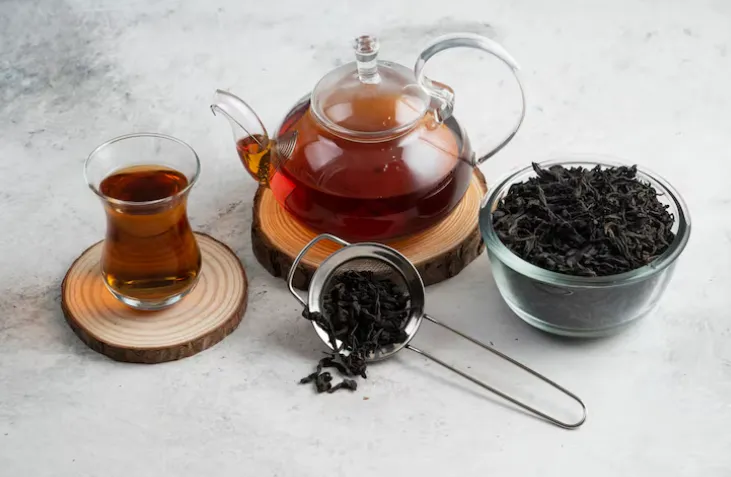

A satisfying cup of tea depends on more than the quality of the leaves. Water temperature, steeping time, tea quantity, and even the quality of the water can influence the aroma, flavour, and finish in your cup. This becomes particularly important when preparing an aromatic tea where delicate citrus notes need to remain balanced with the deeper character of the tea leaves.
Earl Grey is recognised for its distinctive bergamot aroma and elegant citrus character. With the right brewing approach, you can bring out its fragrance while avoiding excessive bitterness or astringency. Whether you prefer loose leaf tea or convenient pyramid tea bags, a few simple adjustments can make your daily cup smoother and more enjoyable.
What Gives Earl Grey Its Distinctive Flavour?
Earl Grey is traditionally a black tea flavoured with bergamot, a fragrant citrus fruit. The black tea provides body and depth, while bergamot contributes its characteristic bright, floral-citrus aroma.
Modern Earl Grey blends can vary considerably. Some combine black tea with additional botanicals, flowers, herbs, or fruit pieces to create a more layered flavour profile. These ingredients can influence how the tea tastes and how its aroma develops during brewing.
Because bergamot is such an important part of the experience, brewing the tea carefully helps prevent the citrus character from being overwhelmed by bitterness or excessive tannins.
Start With Fresh, Filtered Water
Water is one of the most important ingredients in any cup of tea. Since it makes up most of the finished beverage, its mineral content and freshness can influence the way the tea tastes.
Fresh, filtered water is a good choice when preparing Earl Grey tea. Water with strong mineral, chlorine, or other pronounced flavours can interfere with the tea's natural aroma and make the finished cup taste less clean.
It is also preferable to use freshly heated water rather than repeatedly boiling the same water. Fresh water can help produce a brighter, cleaner infusion and allow the tea's aromatic qualities to come through more clearly.
Use the Right Amount of Tea
The amount of tea used affects both strength and balance. Too little tea can result in a weak infusion, while using too much can create a concentrated cup with a stronger astringent finish.
For loose leaf tea, around 2 to 2.5 grams per cup is a useful starting point. For pyramid tea bags, one bag is generally appropriate for a standard serving, although cup size and personal preference can influence the ideal quantity.
If you want to understand how tea quantity interacts with water temperature and steeping time, how to brew loose leaf tea: water temperature, steep time, and perfect ratio guide provides a useful reference for adjusting these variables.
Choose the Right Water Temperature
Temperature plays a major role in tea extraction. Water that is too cool may not extract enough flavour, while excessively hot water can encourage the rapid release of tannins, potentially producing a bitter or drying cup.
For Earl Grey tea, around 200°F (93°C) is a useful starting point. This temperature is hot enough to extract the black tea's body and aroma while allowing the bergamot character to remain noticeable.
However, brewing is not an exact formula. If your tea tastes too strong or astringent, try lowering the temperature slightly. If the flavour seems weak, a modest increase may help produce a fuller infusion.
Find the Right Steeping Time
Steeping time has an equally important role in creating a balanced cup. A shorter infusion generally produces a lighter flavour, while a longer steep extracts more of the tea's compounds and creates greater intensity.
A three-to-four-minute steep is a useful starting point for many Earl Grey blends. Brook37's black tea brewing guidance also recommends approximately three to four minutes for Earl Grey at around 200°F.
Once the desired strength has been reached, remove the tea leaves or tea bag. Leaving them immersed for too long can continue extracting tannins and may make the cup increasingly bitter or astringent.
How to Preserve the Bergamot Aroma
The defining characteristic of Earl Grey tea is its relationship between the black tea base and bergamot. A balanced brewing method should allow both elements to remain noticeable.
If the citrus aroma seems muted, freshness may be a factor. Store tea in an airtight container or resealable package away from moisture, heat, and direct sunlight. Proper storage helps protect the aromatic compounds that contribute to the tea's character.
It can also be helpful to smell the dry leaves or tea bag before brewing. Once hot water is added, pay attention to how the citrus aroma develops alongside the deeper black tea notes.
Should You Add Milk, Lemon, or Sweetener?
Earl Grey can be enjoyed plain, but additions can create a different drinking experience. A small amount of milk can soften the tea's body, while a little honey or sugar can round out sharper flavours.
Lemon is another popular pairing. Its bright acidity can complement the citrus character of bergamot, although using too much may overwhelm the tea's more subtle aromas.
For a richer variation, try a London Fog. Brook37's London Fog recipe combines Earl Grey with steamed milk, vanilla, and optional sugar or honey, creating a creamy interpretation of the classic blend.
Enjoy Earl Grey Beyond a Traditional Cup
A well-brewed cup does not have to be the only way to enjoy this aromatic blend. Earl Grey can also work well in iced beverages and creative tea recipes.
For example, the Earl Grey Tini recipe combines brewed Earl Grey with vanilla, sugar, soda water, and orange for a citrus-forward tea beverage.
These variations demonstrate the versatility of the blend while allowing its characteristic bergamot aroma to remain part of the overall flavour profile.
Create a Smooth, Balanced Cup
The ideal Earl Grey tea does not need to be complicated to prepare. Fresh filtered water, the appropriate amount of tea, controlled water temperature, and a careful steeping time can make a noticeable difference.
Once you understand how these elements affect extraction, you can adjust them according to your personal preference. A slightly shorter steep can produce a lighter cup, while a longer infusion can bring out more body. The important thing is to find a balance that allows the black tea and bergamot character to work together.
For tea drinkers looking to make this aromatic blend part of their everyday ritual, Brook37's Phyllis Earl Grey Eco offers a refined option for enjoying a smooth, fragrant cup at home.





















Sign in to leave a comment.