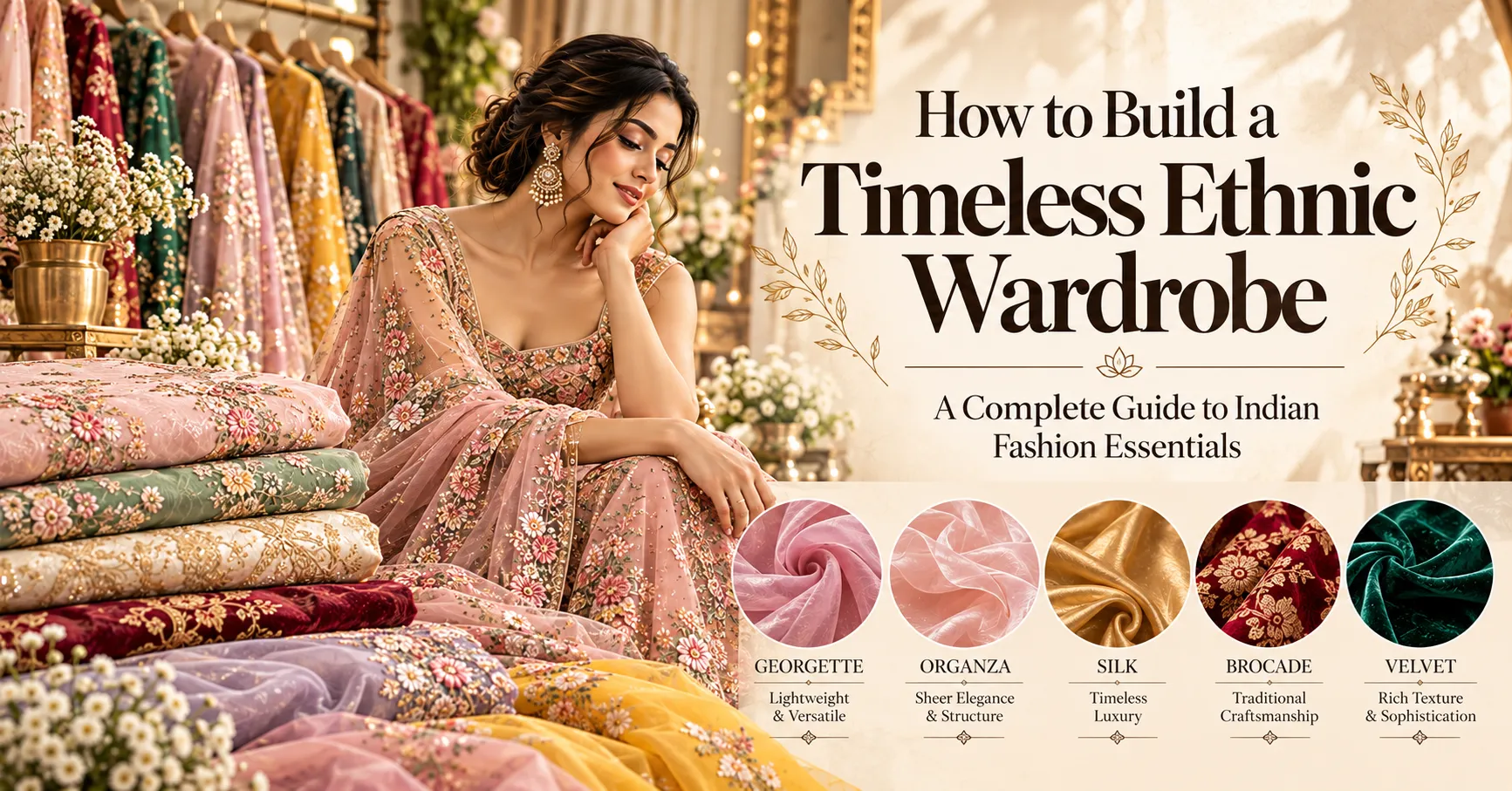


Indian ethnic fashion is a beautiful blend of tradition, craftsmanship, colour, and personal expression. From elegant sarees and graceful kurtas to elaborate lehengas and contemporary fusion outfits, ethnic clothing offers endless possibilities for creating a wardrobe that feels both timeless and individual.
However, building a versatile ethnic wardrobe does not mean buying dozens of outfits. The secret lies in choosing versatile silhouettes, understanding fabrics, and investing in pieces that can be styled in different ways.
Whether you are refreshing your festive wardrobe, preparing for wedding season, or simply exploring Indian fashion, this guide will help you create a collection that balances traditional elegance with modern style.
1. Start With the Essential Ethnic Wear Pieces
A well-planned ethnic wardrobe begins with a few versatile garments that can be styled for different occasions.
The Classic Saree

A saree is one of the most versatile garments in Indian fashion. Depending on the fabric, draping style, and blouse design, it can work for formal celebrations, weddings, festive gatherings, and elegant evening events.
Consider adding a lightweight georgette saree, a traditional silk saree, or an organza saree to your collection.
The Versatile Kurta Set

A well-fitted kurta set is suitable for everyday wear, family gatherings, and festive occasions.
Neutral colours such as ivory, beige, and pastel pink can be paired with different accessories, while brighter shades create a more festive appearance.
The Statement Lehenga

A lehenga is a popular choice for weddings, receptions, and major celebrations.
For a versatile wardrobe, consider a lehenga with a skirt that can be paired with different blouses or dupattas to create multiple looks.
2. Choose Fabrics That Match Your Lifestyle
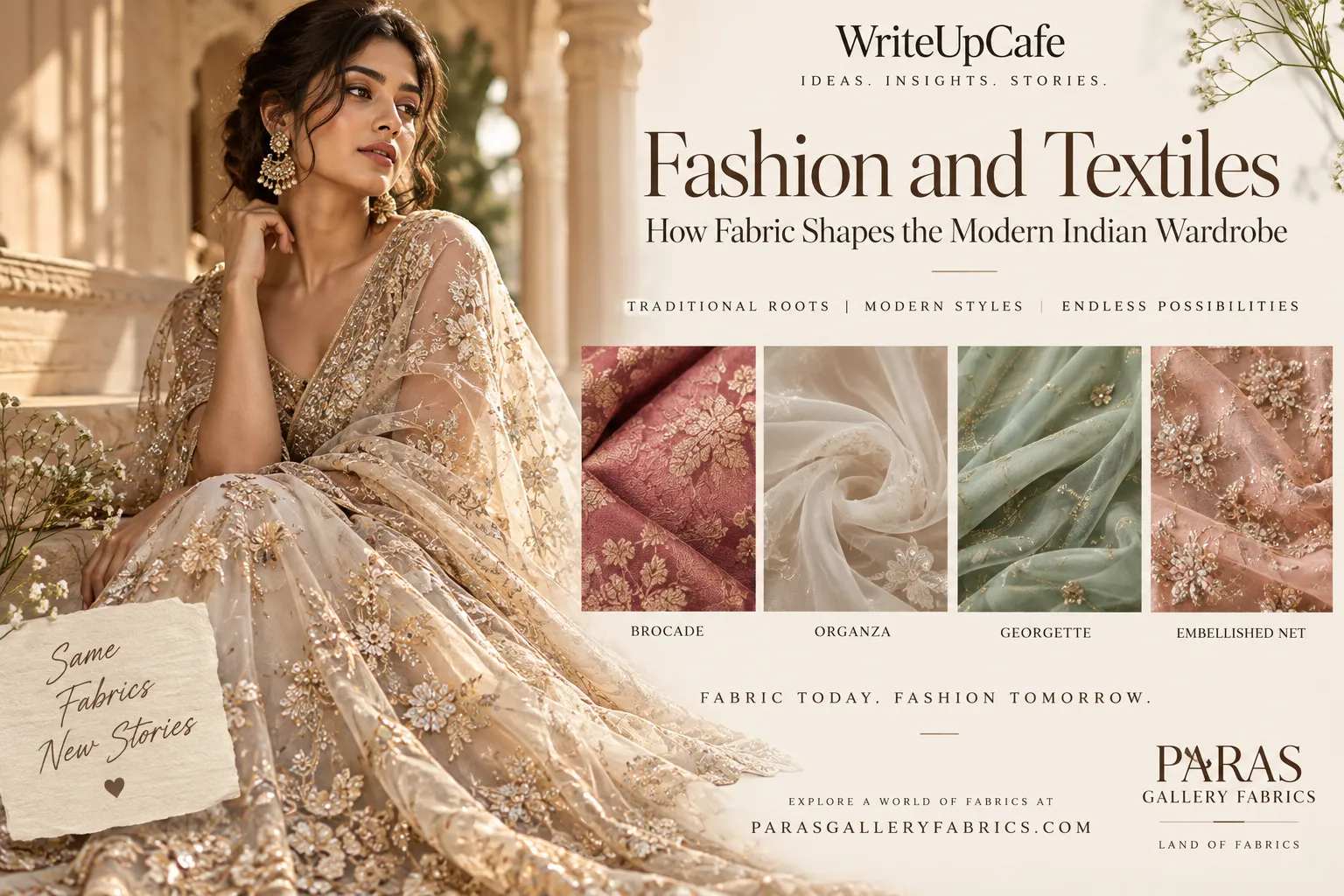
Fabric selection plays an important role in the appearance, comfort, and versatility of ethnic clothing.
Different fabrics offer different textures, drapes, and styling possibilities.
| Fabric | Key Characteristics | Ideal Uses |
|---|---|---|
| Georgette | Lightweight, fluid drape | Sarees, suits, flowing outfits |
| Organza | Sheer, crisp structure | Dupattas, layered outfits |
| Silk | Lustrous, versatile texture | Sarees, festive outfits |
| Brocade | Decorative woven patterns | Blouses, lehengas, jackets |
| Velvet | Plush, rich texture | Winter occasionwear |
When choosing fabrics, consider the occasion, weather, garment design, and maintenance requirements.
For example, georgette works well for flowing silhouettes, while organza can add structure and volume to sleeves and layered outfits.
3. Build a Colour Palette That Works Together
A coordinated colour palette makes it easier to create different outfits from a smaller collection of garments.
Neutral shades
Ivory, beige, cream, and soft grey can serve as versatile wardrobe foundations.
Pastel shades
Blush pink, mint green, lavender, and powder blue are popular choices for daytime celebrations and elegant festive looks.
Rich jewel tones
Emerald green, royal blue, maroon, and deep purple can create striking outfits for evening events and weddings.
Traditional festive colours
Red, mustard, orange, and gold remain popular choices for many Indian celebrations.
Choosing colours that complement one another makes it easier to mix and match blouses, dupattas, skirts, and accessories.
4. Make Your Outfits More Versatile With Styling
One of the simplest ways to refresh an ethnic wardrobe is to style existing garments differently.
Here are a few practical ideas:
- Pair a traditional silk skirt with a contemporary blouse.
- Style a plain kurta with an embroidered dupatta.
- Wear a saree with different blouse designs for distinct looks.
- Combine a brocade blouse with a simpler saree.
- Pair a statement ethnic jacket with a plain kurta and trousers.
Small styling changes can create a noticeably different appearance without requiring an entirely new outfit.
5. Understand the Importance of Custom Stitching
Custom stitching allows you to personalise the fit, silhouette, and detailing of an outfit.
When selecting fabric for a custom garment, consider:
Fabric quantity: The amount required depends on the design, garment size, fabric width, and details such as pleats or flare.
Lining: Sheer materials such as organza and net may require lining depending on the garment design.
Embroidery: Heavy embellishments can affect the weight and drape of the finished garment.
Fit and construction: Discuss the design with your tailor before purchasing fabric to avoid unnecessary wastage.
Thoughtful planning can help you create garments that reflect your personal style while making effective use of the material.
6. Where to Find Fabrics for Your Ethnic Wardrobe
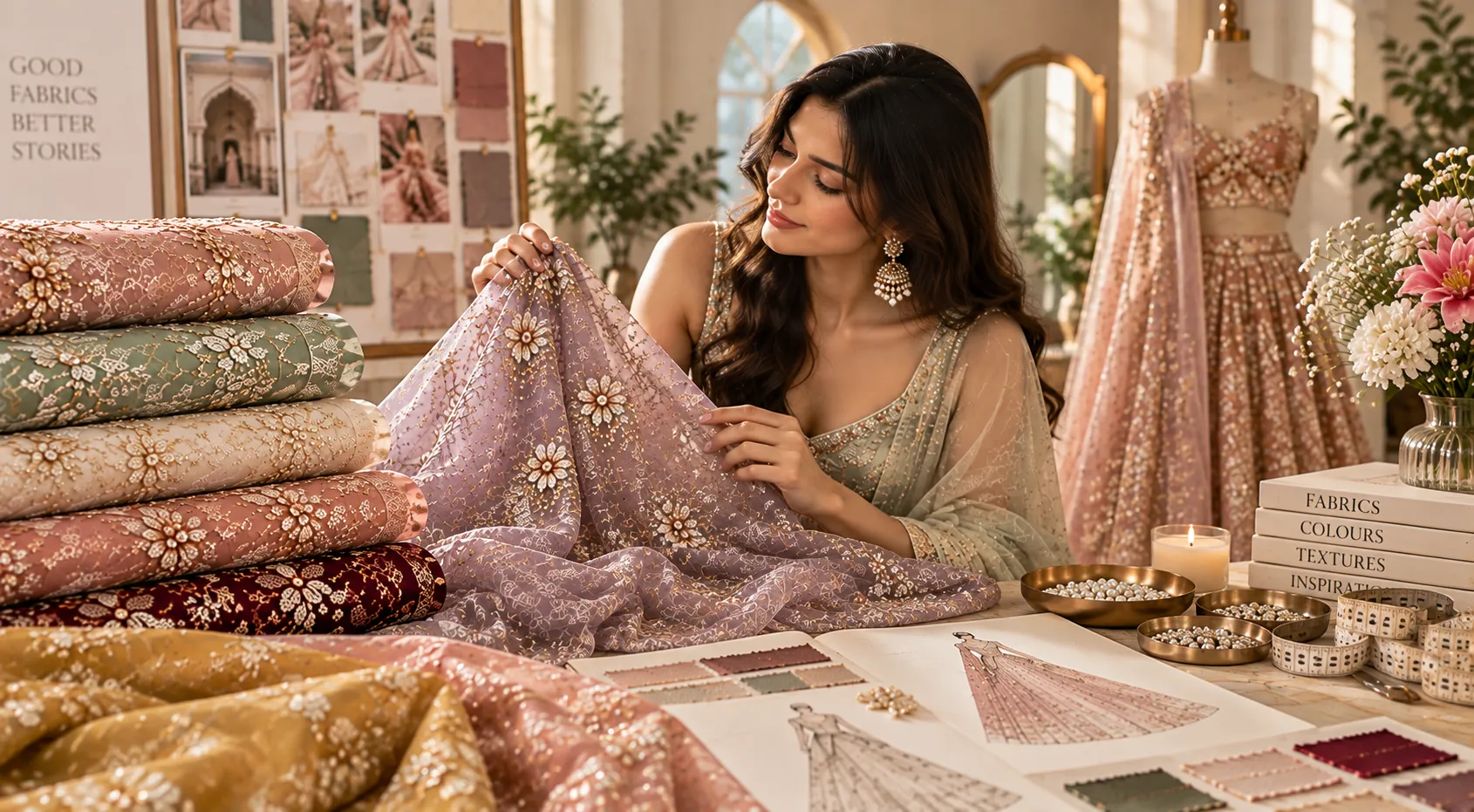
Choosing the right fabric is an important part of creating a personalised ethnic wardrobe.
Whether you are designing a wedding outfit, refreshing your festive collection, or sourcing material for a boutique, exploring different textures and colours can help you discover new styling possibilities.
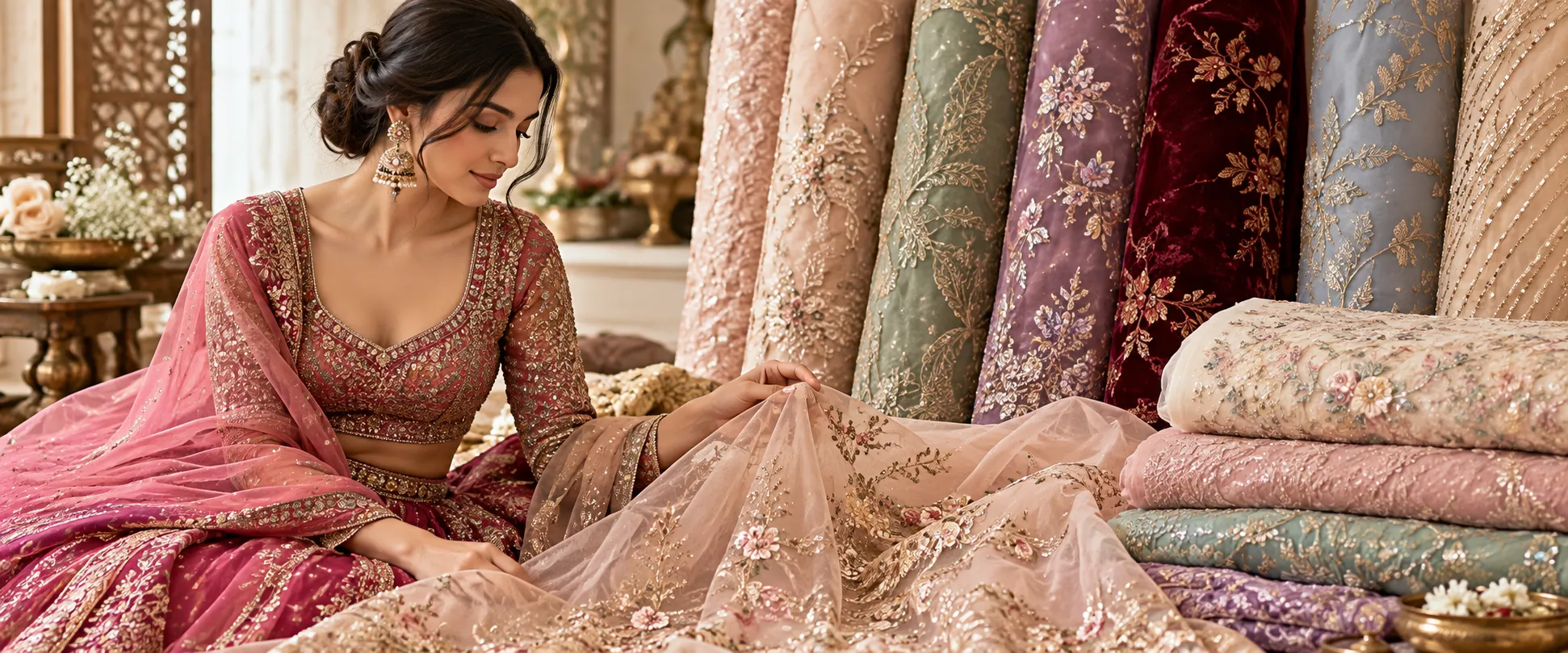
Paras Gallery Fabrics, located in Lajpat Nagar, New Delhi, offers a range of fabrics for ethnic wear, bridal outfits, festive clothing, and designer creations.
The collection includes georgette, organza, net, brocade, and other decorative textiles.
Explore the collection at Paras Gallery Fabrics to discover fabrics for your next outfit.
For readers interested in learning more about fabric selection and styling, explore the Paras Gallery Fabrics website for additional inspiration.
7. Make Sustainable Choices With a Thoughtful Wardrobe
Building a versatile wardrobe can also encourage more mindful fashion choices.
Instead of purchasing outfits for a single occasion, consider selecting garments that can be restyled and worn multiple times.
A few practical habits include:
- Invest in versatile garments that can be styled in different ways.
- Choose fabrics and silhouettes suited to your lifestyle.
- Take proper care of delicate textiles.
- Reuse and restyle existing outfits for different celebrations.
- Plan custom garments carefully to reduce fabric wastage.
A thoughtfully planned wardrobe can help you get more use out of the clothes you already own.
Conclusion: Create an Ethnic Wardrobe That Reflects Your Style
A timeless ethnic wardrobe is not about following every fashion trend. It is about choosing garments, fabrics, and colours that complement your personal style and suit your lifestyle.
From the elegance of a saree to the versatility of a kurta set and the grandeur of a lehenga, every piece can become more valuable when selected thoughtfully.
Understanding fabrics, experimenting with styling, and planning custom outfits carefully can help you build a wardrobe that feels both traditional and contemporary.
Explore the world of ethnic fashion and discover the fabrics that bring your personal style to life.





















Sign in to leave a comment.