How to Build Strength, Improve Mobility, and Stay Active at Empire Fitness Madison AL

Staying active is one of the best things you can do for your body, but knowing where to start is the hard part. If you’re searching for a gym in Madison, Alabama, Empire Fitness Madison AL can be a good place to build a routine that improves strength, mobility, and long-term health. This guide covers how to train smart, move better, and look after your body, including your jaw and neck, so you can stay consistent without pain.
Why Strength, Mobility, and Activity Work Together
Many people focus on only one part of fitness. Some lift heavy but can’t touch their toes. Others stretch daily but never build muscle. The best results come from combining three things:
- Strength protects your joints, supports your posture, and keeps your metabolism healthy.
- Mobility is your ability to move joints through their full range of motion with control.
- Daily activity keeps your heart healthy and your energy up outside the gym.
Training all three reduces injury risk and makes everyday tasks, like carrying groceries or playing with your kids, much easier.
Step 1: Build Strength with a Simple Plan
You don’t need a complicated program. Start with a full-body routine two to three days a week, focusing on basic movement patterns.
Example beginner strength workout:
- Goblet squat: 3 sets of 10 reps (builds legs and core)
- Dumbbell bench press or push-ups: 3 sets of 8–12 reps (chest, shoulders, triceps)
- Seated cable row: 3 sets of 10–12 reps (back and posture muscles)
- Romanian deadlift with dumbbells: 3 sets of 8–10 reps (hamstrings and glutes)
- Plank: 3 holds of 20–40 seconds (core stability)
Choose a weight that feels challenging by the last two reps but still lets you keep good form. Once you can complete every set comfortably, add a little weight or one more rep. This is called progressive overload, and it’s the foundation of getting stronger.
Example: If you squat with a 20-pound dumbbell for 3 sets of 10 this week, try 25 pounds next week, or add 2 reps per set before increasing the weight.
Step 2: Improve Mobility Before and After Workouts
Mobility work doesn’t have to take long. Ten minutes before training can make your lifts feel smoother and safer.
Warm-up mobility routine (about 8–10 minutes):
- Cat-cow stretch: 10 slow reps to loosen the spine
- World’s greatest stretch: 5 reps per side for hips, hamstrings, and upper back
- Hip circles or leg swings: 10 per leg
- Shoulder dislocates with a band or towel: 10 reps
- Bodyweight squat hold: 3 holds of 20 seconds, sinking as deep as is comfortable
After your workout, spend a few minutes on static stretches such as a hip flexor stretch, chest doorway stretch, and hamstring stretch. Hold each for 30 seconds while breathing slowly.
Example: If you sit at a desk all day, tight hips and rounded shoulders are common. Pairing hip flexor stretches with rows and face pulls can help counter that posture over time.
Step 3: Stay Active Outside Your Workouts
Two or three hours at the gym each week is great, but the rest of your week matters too. Aim to move throughout the day:
- Take a 10-minute walk after meals
- Use stairs when you can
- Stand and stretch every hour if you work at a desk
- Try a weekend hike, bike ride, or family walk
Many adults should aim for around 150 minutes of moderate cardio weekly, along with two days of strength training. Mixing treadmill sessions, cycling, or light intervals into your gym visits is an easy way to get there.
Don’t Ignore Jaw and Neck Tension: When to See a TMJ Specialist
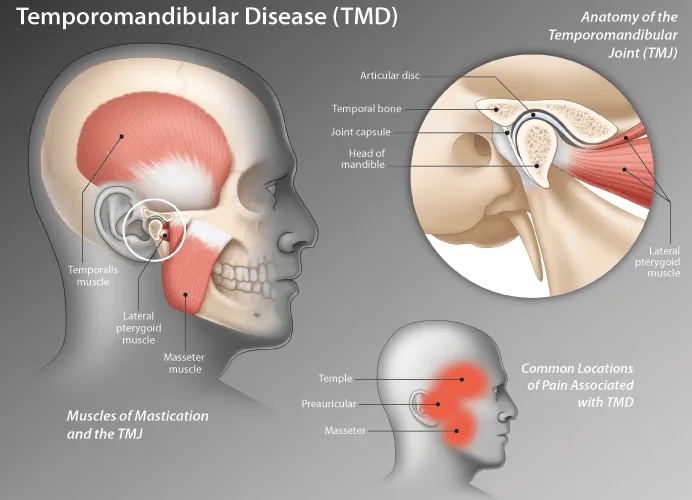
Here’s something many gym-goers overlook: your jaw. Clenching your teeth during heavy lifts, intense cardio, or stressful days can strain the temporomandibular joint (TMJ), the joint that connects your jaw to your skull. Poor posture, like a forward head position from phone or desk use, can add to neck and jaw tension.
Common signs of TMJ problems include:
- Jaw pain or soreness, especially in the morning
- Clicking, popping, or locking when you open your mouth
- Frequent headaches or earaches
- Neck and shoulder tightness that doesn’t improve with stretching
- Difficulty chewing
If you notice these symptoms, a TMJ specialist can evaluate the cause and recommend treatment, such as a night guard, physical therapy, or other care. Persistent jaw pain isn’t something to push through with more training, and a proper diagnosis helps you return to exercise safely.
Gym habits that can help your jaw:
- Keep your tongue resting on the roof of your mouth and your teeth slightly apart during lifts
- Breathe out through the effort instead of bracing with a clenched jaw
- Strengthen your upper back with rows and band pull-aparts to improve head and neck posture
- Add gentle neck stretches to your cool-down
- Manage stress with deep breathing or short walks, since stress often drives clenching
Tips for Staying Consistent
Even the best plan fails if you don’t stick with it. These habits make consistency easier:
- Schedule workouts like appointments. Pick specific days and times.
- Start small. Three 45-minute sessions beat a plan you abandon after two weeks.
- Track progress. Write down weights, reps, or how you feel.
- Rest and recover. Sleep seven to nine hours and take at least one or two rest days weekly.
- Ask for help. If you’re unsure about form, a trainer or staff member at your gym can show you proper technique.
- Fuel your body. Eat enough protein, vegetables, and water to support recovery.
Sample Weekly Schedule
- Monday: Full-body strength + 10 minutes mobility
- Tuesday: 30-minute brisk walk or light cardio
- Wednesday: Full-body strength (slight variation)
- Thursday: Mobility and stretching session
- Friday: Full-body strength + short cardio finisher
- Saturday: Outdoor activity such as a hike or bike ride
- Sunday: Rest
Final Thoughts
Building strength, improving mobility, and staying active doesn’t require perfection, just a steady plan and attention to how your body feels. Whether you train at Empire Fitness Madison AL or elsewhere, focus on good form, gradual progress, and recovery. And if jaw or neck pain keeps showing up, don’t ignore it: a TMJ specialist can help you find the cause so you can keep moving without discomfort.
Start with one small step this week, such as a 10-minute mobility routine or your first full-body workout, and build from there.




Sign in to leave a comment.