

Learn how to match a truck to your trade, inspect it with confidence, and stay on the right side of California's vehicle rules.
A work truck is more than a vehicle. It is a rolling piece of your business that hauls materials, carries tools, and gets your team to the job on time. When it runs well, nobody thinks about it. When it fails, you lose hours, miss deadlines, and watch repair bills climb. In California, where distances are long and regulations are strict, choosing the right truck is one of the most important purchases a contractor or fleet owner will make.
Why the Right Truck Protects Your Profits
Every day a truck sits in the shop is a day it earns nothing. A poorly matched vehicle also costs money in quieter ways. Overloaded axles wear out brakes and tires, and an undersized engine burns extra fuel. A body that does not fit your cargo slows every loading cycle. Getting the purchase right at the start prevents these hidden costs from compounding over the years you own the truck.
Match the Truck to the Work
Start with what you haul, how far you drive, and how often you load and unload.
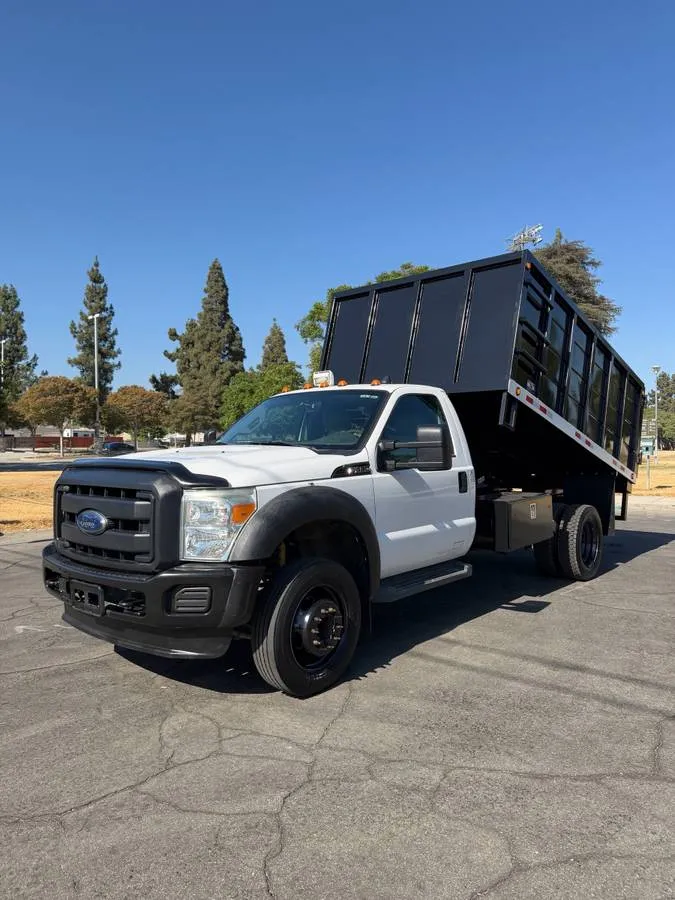
- Dump trucks: Built for gravel, soil, asphalt, and demolition debris.
- Flatbeds and stake beds: Handle lumber, pipe, pallets, and oversized loads.
- Box trucks: Keep goods and equipment dry, secure, and organized.
- Service body trucks: Give electricians, plumbers, and technicians fast access to tools.
- Tow and roll-off trucks: Suit recovery, hauling, and container work.
Check the gross vehicle weight rating and payload capacity on the door sticker before you fall in love with any model. The body and equipment add weight, which reduces the cargo you can legally carry.
Where to Start Your Search
Searching for commercial truck sales CA is far easier once you know your payload, body type, and weight rating. Write down the cab style, drivetrain, fuel type, and maximum mileage you will accept, along with your total budget. A clear checklist keeps you from overpaying for features you will never use and helps you walk away from trucks that cannot handle your daily loads.
New or Used?
New trucks offer warranty coverage, current emissions technology, and predictable reliability, but they cost more and often come with long lead times. Used trucks lower the purchase price and are available quickly, which suits growing businesses that need capacity now. The tradeoff is condition, since a used truck's past work shapes its future. A well-maintained unit with complete records can outperform a neglected newer one, so judge each truck on its history, not just its age.
What to Inspect Before You Buy
A clean exterior can hide expensive problems, so inspect every candidate carefully:
- Engine and transmission: Look for leaks, rough shifting, excess smoke, and unusual noise.
- Frame and suspension: Check for cracks, rust, sagging springs, and worn bushings.
- Brakes and tires: Uneven wear can signal alignment or axle trouble.
- Hydraulics and equipment: Test hoists, lifts, and PTO systems through their full range.
- Electrical and lighting: Confirm that everything works, including warning lights.
- Service records: Consistent maintenance is one of the best predictors of reliability.
An independent mechanic can spot issues you might miss, and the fee is small compared with a major repair.
California Rules to Keep in Mind
California has some of the strictest vehicle regulations in the country, and they can directly affect which trucks you can register and operate. Diesel trucks must meet emissions requirements set by the California Air Resources Board, including the Clean Truck Check program. Gasoline trucks typically need periodic smog inspections. Vehicles above 26,001 pounds gross vehicle weight rating generally require a commercial driver's license, and registration and weight fees vary by rating. Fleet-related rules have also been changing, so confirm the latest requirements with the DMV and CARB before you sign anything.
Plan for the Full Cost of Ownership
The sticker price is only the beginning. Add insurance, registration, fuel, tires, scheduled maintenance, and any upfitting your work requires. Set aside a repair fund for the first few months, especially with a used truck. Compare financing and leasing options too, since the right structure can protect your cash flow while you build your business.
Conclusion
The best truck is the one that fits your work, your budget, and the rules you operate under. Define your needs, inspect carefully, and plan for the full cost of ownership before you commit. Dump Truck Kings helps contractors and fleet owners find dependable trucks built for demanding jobsites, so you can spend less time shopping and more time getting work done. Do your homework, trust the inspection, and put the right truck to work.



















Sign in to leave a comment.