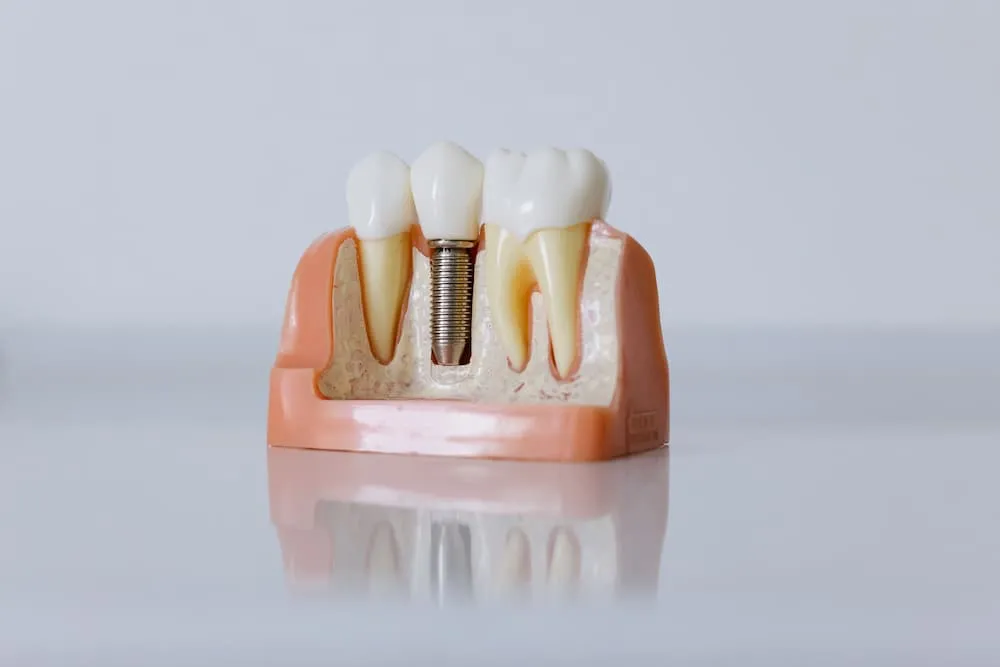

Dental implants have become one of the most trusted solutions for replacing missing teeth because they offer excellent stability, natural appearance, and long term function. However, maintaining these restorations requires consistent care and healthy oral hygiene habits. Many patients who receive dental implants essex uk treatment achieve lasting success by following professional advice, attending regular dental appointments, and practicing effective home care every day. Proper maintenance helps protect both the implant and surrounding gums while ensuring a healthy, confident smile for many years.
Understanding Dental Implants
Why Dental Implants Need Proper Care
Although dental implants cannot develop cavities like natural teeth, they still require careful maintenance to protect the surrounding gums and supporting bone. Plaque and bacteria can accumulate around the implant if oral hygiene is neglected, increasing the risk of inflammation and implant related complications. Daily cleaning removes harmful bacteria while supporting healthy gum tissue. Proper care also preserves the stability of the implant and helps maintain excellent oral health throughout the years.
How Dental Implants Function
Dental implants replace the root of a missing tooth by integrating securely with the jawbone. Once healing is complete, they provide a stable foundation for crowns, bridges, or dentures that closely resemble natural teeth. Because implants become firmly anchored within the bone, they allow comfortable chewing, speaking, and smiling. Their long term success depends on maintaining healthy gums and supporting bone through consistent oral hygiene and regular professional dental care.
Daily Oral Hygiene Routine
Brushing Correctly Every Day
Brushing at least twice each day remains one of the most important aspects of implant care. A soft bristled toothbrush helps remove plaque without damaging the surrounding gum tissue or restoration. Gentle circular movements clean effectively around the implant while protecting delicate tissues. Using fluoride toothpaste supports the health of remaining natural teeth and contributes to overall oral hygiene. Consistent brushing prevents bacterial buildup that may threaten the long term stability of dental implants.
Cleaning Between the Teeth
Plaque often collects in areas that ordinary toothbrushes cannot easily reach. Daily flossing or using interdental brushes helps remove food particles and bacteria from around implants and neighboring teeth. Dental professionals may recommend specific cleaning aids based on the design of the restoration and individual oral health needs. Thorough cleaning between teeth reduces gum inflammation, improves oral freshness, and supports healthy tissues that are essential for successful implant maintenance.
Keeping Gums Healthy
The Importance of Healthy Gum Tissue
Healthy gums provide essential support for dental implants by protecting the surrounding bone and reducing the risk of infection. Redness, swelling, bleeding, or discomfort may indicate gum irritation that requires professional attention. Daily plaque removal and routine dental examinations help maintain healthy gum tissue around implants. Strong, healthy gums create a stable environment that allows implants to continue functioning effectively while supporting comfortable oral health.
Preventing Implant Related Gum Problems
Poor oral hygiene may allow bacteria to accumulate around dental implants, increasing the risk of inflammation affecting the surrounding tissues. Regular brushing, flossing, and professional cleanings significantly reduce this risk. Patients should pay close attention to any changes in gum appearance or comfort and seek professional advice if concerns arise. Early intervention helps prevent minor problems from progressing into more serious implant complications.
Regular Professional Dental Visits
Why Routine Checkups Matter
Routine dental examinations allow professionals to monitor implant health, evaluate surrounding gum tissue, and identify early signs of potential concerns. Regular assessments help ensure the implant remains stable while supporting healthy bone and soft tissues. Dental professionals also evaluate bite alignment and the condition of the restoration during these appointments. Consistent monitoring contributes significantly to maintaining successful implant outcomes and reducing the likelihood of future complications.
Professional Cleaning Around Implants
Professional hygiene appointments remove plaque and hardened deposits that cannot be eliminated through daily brushing alone. Dental hygienists use specialized techniques and instruments designed to clean safely around implants without causing damage. These appointments also provide valuable opportunities to reinforce proper home care techniques. Regular professional cleanings maintain healthier gums, reduce bacterial buildup, and support the long term success of implant treatment.
Healthy Lifestyle Habits
Choosing a Balanced Diet
A nutritious diet supports healing, healthy gums, and strong bone that contribute to successful dental implant maintenance. Eating foods rich in vitamins, minerals, and protein helps maintain healthy oral tissues while supporting overall wellbeing. Limiting sugary snacks and acidic beverages reduces bacterial growth and protects natural teeth. Drinking plenty of water throughout the day also encourages a healthier oral environment by helping wash away food particles and bacteria.
Avoiding Harmful Habits
Certain lifestyle habits may negatively affect the health and longevity of dental implants. Smoking, excessive alcohol consumption, and poor oral hygiene can increase the risk of gum disease and delayed healing. Reducing these risk factors improves overall oral health while supporting successful implant outcomes. Following professional recommendations and maintaining healthy daily habits significantly increases the likelihood of enjoying dental implants for many years.
Protecting Dental Implants
Preventing Damage During Daily Activities
Although dental implants are highly durable, they should not be used to open packaging, bite hard objects, or perform tasks unrelated to eating. Excessive force may damage the crown or restoration attached to the implant. Patients should also exercise caution when chewing particularly hard foods. Sensible daily habits protect both the implant and surrounding teeth while preserving long term function and appearance.
Managing Teeth Grinding
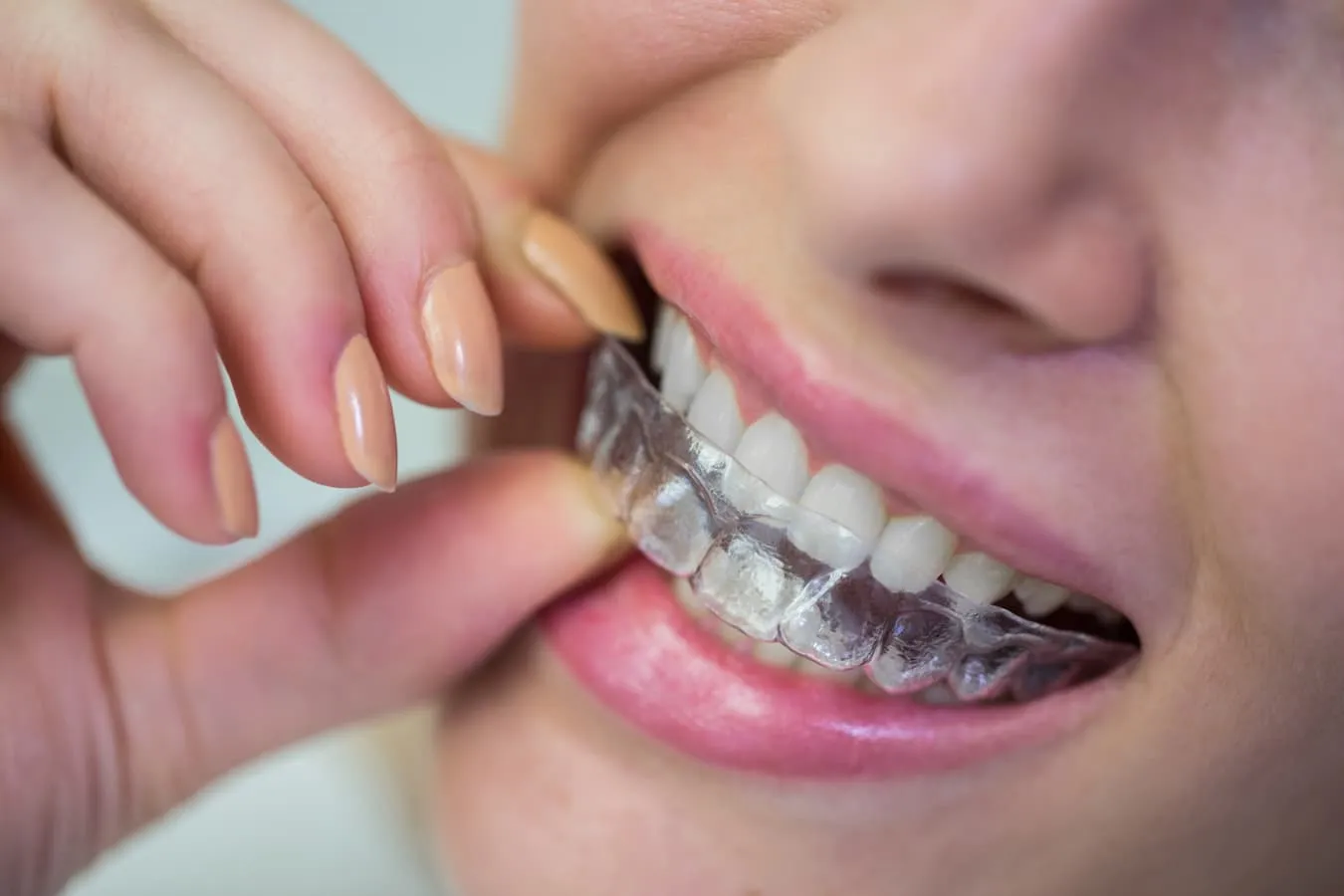
Some individuals grind or clench their teeth during sleep without realizing it. This habit places additional pressure on both natural teeth and dental implants. Dental professionals may recommend a custom made night guard to reduce excessive biting forces and protect restorations. Early identification and management of teeth grinding helps preserve implant stability while minimizing unnecessary wear on surrounding dental structures.
Recognizing Warning Signs
Symptoms That Should Not Be Ignored
Dental implants generally remain comfortable once healing has been completed. Persistent pain, swelling, bleeding, looseness, or unusual discomfort should never be ignored because these symptoms may indicate developing complications. Prompt professional assessment allows concerns to be identified and managed before they worsen. Early treatment increases the likelihood of preserving implant health while preventing more extensive procedures in the future.
Seeking Timely Professional Advice
Patients should contact their dental professional whenever they notice changes affecting their implants or surrounding gums. Delaying treatment may allow minor problems to progress into more serious conditions that become more difficult to manage. Regular communication with the dental team encourages prompt intervention whenever necessary. Early professional care supports healthier outcomes and contributes to maintaining successful implant function over the long term.
Long Term Success with Dental Implants
Consistency Is Essential
Successful implant maintenance depends on consistent daily care rather than occasional attention. Brushing, flossing, healthy eating, and regular professional appointments all work together to protect implants and surrounding oral tissues. Establishing a reliable oral hygiene routine makes these habits easier to maintain throughout life. Long term consistency supports healthier gums, stronger bone, and dependable implant performance for many years.
Building Lifelong Oral Health Habits
Dental implant care encourages patients to adopt healthier oral hygiene practices that benefit both implants and natural teeth. Professional education helps individuals understand the importance of proper brushing techniques, effective cleaning between teeth, and routine dental visits. These positive habits contribute to improved oral health, fresher breath, healthier gums, and greater confidence. Lifelong preventive care remains one of the most effective ways to protect every aspect of oral wellbeing.
Frequently Asked Questions About Implant Care
Can Dental Implants Last for Many Years?
Dental implants are designed to provide long term function when supported by excellent oral hygiene and regular professional care. Many patients enjoy successful implant performance for decades because they consistently follow recommended maintenance routines. The condition of the surrounding gums and jawbone plays an important role in implant longevity. Maintaining healthy oral tissues remains essential for protecting the implant and preserving comfortable function.
Is Implant Care Different from Natural Teeth?
The daily cleaning routine for dental implants is very similar to caring for natural teeth, although additional attention around the implant may be recommended. Brushing twice daily, cleaning between teeth, and attending professional hygiene appointments remain essential. Dental professionals may suggest specialized cleaning tools depending on the type of restoration. Following individualized advice helps maintain healthy gums while supporting the continued success of implant treatment.
Conclusion
Dental implants provide an excellent long term solution for replacing missing teeth, but their success depends greatly on proper daily care and regular professional maintenance. Consistent brushing, effective cleaning between teeth, healthy lifestyle choices, and routine dental visits all contribute to protecting implants and supporting healthy gums. Patients who follow professional recommendations are more likely to enjoy comfortable function and confident smiles for many years. Those seeking expert guidance and comprehensive implant care can rely on the experienced team at Perfect Smile Spa to help maintain healthy, long lasting dental implant results.


























Sign in to leave a comment.