How to Change Eye Color: Permanent Methods, Risks and Alternatives

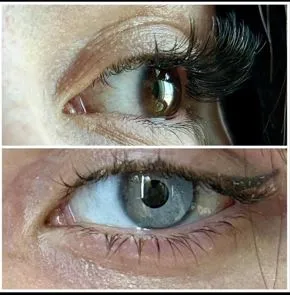
Eye color is one of the features that makes every person’s appearance unique. While some people are happy with their natural eye color, others may wish to explore a different shade, such as blue, green, gray, or hazel. Advances in eye care have introduced several ways to change the appearance of the eyes, ranging from temporary colored contact lenses to surgical procedures designed to alter the visible color of the iris.
However, changing eye color is not simply a cosmetic decision. The eyes contain delicate structures that are essential for clear vision, and any procedure involving the inside of the eye requires careful consideration. Understanding how different methods work, what results they can provide, and what risks they involve can help people make informed decisions.
If you are researching how to change eye color, it is important to distinguish between temporary cosmetic options and procedures intended to provide a lasting change. Each approach has different considerations, and the right choice depends on your expectations, eye health, and willingness to accept potential risks.
What Determines Your Natural Eye Color?
The iris is the colored part of the eye surrounding the pupil. It helps regulate the amount of light entering the eye while contributing to the appearance of eye color.
Natural eye color is largely influenced by genetics and the amount and distribution of pigment within the iris. Brown, blue, green, gray, and hazel eyes reflect differences in pigmentation and how light interacts with the structures of the iris.
For example, brown eyes generally contain more melanin than blue eyes. Green and hazel eyes can display combinations of pigmentation and light-scattering effects that create variations in their appearance.
Natural eye color can also appear slightly different under changing lighting conditions. Clothing, surrounding colors, photography, and pupil size may affect how a particular shade looks without actually changing the iris itself.
This distinction matters when exploring eye color modification. A method that changes the way your eyes appear is not necessarily changing the natural pigment inside your iris.
How to Change Eye Color: Available Methods
There are several approaches to consider when exploring a different eye color. Some are temporary and reversible, while others involve medical procedures intended to create a longer-lasting change.
The main options include colored contact lenses, artificial iris implants, and laser-based techniques that have been explored for changing iris pigmentation.
Each method works differently, and their availability, suitability, and safety considerations are not the same.
1. Colored Contact Lenses for Temporary Eye Color Changes
A non-surgical option for experimenting with different eye colors.
Colored contact lenses are one of the most straightforward ways to change the appearance of your eyes without undergoing surgery. They are available in a variety of shades and designs, allowing you to experiment with a new look without permanently altering your natural iris.
Depending on the lens design and your original eye color, the result may be a subtle enhancement or a more noticeable transformation. For instance, someone with brown eyes may choose a lens designed to create a blue or green appearance.
The main advantage is flexibility. You can return to your natural eye color by removing the lenses, making this option suitable for people who want to try different looks before considering a more permanent approach.
However, colored contact lenses are not risk-free. Poorly fitted lenses, inadequate cleaning, sharing lenses, or wearing them for longer than recommended can contribute to eye irritation, infection, and corneal damage.
Colored lenses should be obtained through an appropriate eye-care professional, with proper fitting and instructions for safe use. Even lenses marketed purely for cosmetic purposes require responsible handling.
For people who want to experiment with their appearance without committing to surgery, this is an option worth discussing with an eye-care professional.
2. BrightOcular Artificial Iris Implant for a Permanent Color Change
A surgical approach that changes the visible appearance of the iris.
BrightOcular is a United States-developed artificial iris implant made from thin, flexible, colored medical-grade silicone. According to the information on the BrightOcular website, the implant is designed to change the appearance of the iris for medical and cosmetic purposes.
The implant is placed inside the eye, in the anterior chamber, to create the appearance of a different iris color. Unlike colored contact lenses, which are removed after use, an iris implant is intended to provide a lasting change in eye appearance.
BrightOcular describes medical applications for certain iris-related conditions, including aniridia, coloboma, ocular albinism, iris atrophy, and heterochromia. In selected medical cases, an artificial iris may help address problems associated with an absent or damaged iris, including light sensitivity.
For cosmetic purposes, the procedure is intended for people seeking a different visible eye color. The website presents various color options, including blue, green, gray, and other shades. The suitability of a particular color and implant depends on an individual assessment.
However, a permanent cosmetic change does not automatically mean a risk-free procedure. An artificial iris implant involves surgery inside the eye, and the potential consequences deserve careful consideration before making a decision.
What Happens During an Artificial Iris Implant Procedure?
The process begins with a consultation and a comprehensive eye examination. An ophthalmologist needs to assess the eye's anatomy and health before determining whether an implant procedure is appropriate.
According to BrightOcular's published FAQ, the preoperative assessment may include:
- Visual acuity and refraction testing.
- Measurement of intraocular pressure.
- Assessment of anterior chamber depth and corneal diameter.
- Examination of the anterior chamber angle.
- Evaluation of corneal endothelial cells.
- A peripheral retinal examination and measurement of axial length.
These examinations help the medical team evaluate the eye's condition and identify factors that could affect the procedure.
The implant is placed surgically, and postoperative care includes prescribed medication and follow-up appointments. BrightOcular's FAQ explains that recovery varies between individuals and that some patients may experience redness, blurred vision, tearing, light sensitivity, or discomfort during recovery.
The procedure is not designed to correct nearsightedness, farsightedness, or astigmatism. People who need glasses or corrective contact lenses may still need them after surgery.
Is BrightOcular Suitable for Everyone?
No. A person's interest in changing eye color does not automatically make them a suitable candidate.
Eye health, previous eye surgery, medical history, anatomical measurements, and other individual factors can affect eligibility. A qualified ophthalmologist must assess these considerations rather than relying on appearance or personal preference alone.
It is also important to understand the distinction between a medical need and a cosmetic preference. Artificial iris implants have established medical uses for certain iris defects, but undergoing intraocular surgery solely to change eye color raises a different set of considerations.
BrightOcular itself states that its cosmetic iris implant procedure is not performed, sold, or distributed in the United States. Anyone considering treatment abroad should independently verify the procedure's regulatory status, the qualifications of the surgeon, the facility's standards, and the arrangements for follow-up care.
3. Risks and Possible Complications of Permanent Eye Color Surgery
Anyone researching how to change eye color permanently should understand that surgery involving the eye carries potential risks, even when performed by an experienced surgeon.
BrightOcular's published FAQ lists several possible complications associated with artificial iris implantation. These include:
- Elevated eye pressure: Increased intraocular pressure can damage the optic nerve if it is not appropriately managed.
- Glaucoma: Pressure-related damage can threaten vision and may require ongoing treatment.
- Inflammation: Conditions such as iritis may cause pain, redness, and sensitivity to light.
- Corneal problems: Corneal edema, endothelial cell loss, or corneal decompensation may affect the clarity and health of the cornea.
- Infection: An infection inside the eye can become a serious medical problem.
- Cataracts: Changes affecting the natural lens may develop following complications or surgery.
- Other iris-related changes: Iris atrophy, pupil shape changes, and bleeding inside the eye are among the reported potential complications.
These risks do not mean that every patient will develop complications. However, they demonstrate why an intraocular procedure should never be treated as a routine beauty treatment.
The implant may sometimes be removed if complications arise, but removal requires another surgical procedure and does not guarantee that all resulting damage can be reversed. Additional treatment may also be necessary.
Before proceeding, ask the treating ophthalmologist to explain the known risks, the evidence supporting the specific procedure, the possibility of further surgery, and the long-term monitoring required.
4. Laser-Based Eye Color Change: What Should You Know?
Laser-based techniques have also been explored as a way to alter natural iris pigmentation. Unlike an artificial iris implant, this approach aims to change the appearance of the existing iris rather than cover it with an implanted structure.
One concept involves reducing pigment in the iris to create a lighter appearance. However, laser-based eye color modification should not be confused with established laser procedures used to correct refractive errors or treat other eye conditions.
The availability, evidence, regulatory status, and long-term safety of laser techniques intended specifically for cosmetic eye color change require careful examination. A lasting change in pigmentation does not establish that a procedure is safe for routine cosmetic use.
BrightOcular discusses laser-based techniques in its online content, but its artificial iris implant is a distinct approach. Anyone considering either method should request clear information about the exact technique being offered rather than assuming that different procedures have equivalent outcomes or risks.
Do not choose a procedure based solely on promotional claims, before-and-after photographs, or assurances that complications are unlikely. The potential impact on vision should remain central to the decision.
5. Natural Eye Color Changes and Common Misconceptions
Some people notice that their eyes look lighter or darker at different times of the day. This usually reflects changes in lighting, pupil size, surrounding colors, or photographic conditions rather than a permanent change in iris pigmentation.
Eye color can also change naturally during early childhood as pigmentation develops. In adults, a noticeable or sudden change in one or both eyes should not automatically be considered a harmless cosmetic variation.
Certain eye conditions, injuries, and medications can affect iris appearance. If you notice a new or unexplained change, particularly alongside pain, redness, blurred vision, or light sensitivity, seek an eye examination promptly.
There is no reliable basis for assuming that diet changes, eye exercises, or ordinary home remedies can safely transform genetically determined eye color permanently. Avoid putting unapproved substances into your eyes or using products that promise dramatic pigment changes without appropriate medical evidence.
6. How to Choose the Right Eye Color Change Option
The most appropriate choice depends on whether your goal is temporary experimentation, a lasting cosmetic change, or treatment for an underlying iris condition.
| Option | Intended result | Main consideration |
| Colored contact lenses | Temporary color change | Requires proper fitting and safe lens care |
| BrightOcular artificial iris implant | Lasting change in visible iris color | Involves intraocular surgery and potential complications |
| Laser-based pigmentation techniques | Intended lasting change in iris appearance | Evidence, availability, and safety must be carefully evaluated |
| Natural appearance adjustments | Changes how eye color is perceived | Does not permanently change iris pigmentation |
If you are exploring a permanent procedure, start with a comprehensive examination by a qualified ophthalmologist. Discuss your expectations openly and ask whether the potential aesthetic benefit justifies the surgical risks in your particular case.
For people considering BrightOcular, the consultation should cover implant suitability, the proposed color, potential complications, removal considerations, postoperative medication, and long-term follow-up. It should also clarify where the procedure can legally be performed and what arrangements are available if complications arise after returning home.
7. Questions to Ask Before Considering Permanent Eye Color Change
Before making a decision, prepare questions that address both the desired appearance and your long-term eye health.
- What changes can realistically be achieved with this procedure?
- What are the known short- and long-term complications?
- What clinical evidence supports the procedure being offered?
- Is the procedure authorized for cosmetic use in the country where it will be performed?
- What eye examinations are required before surgery?
- How frequently will postoperative examinations be necessary?
- What happens if the implant causes inflammation, elevated eye pressure, or corneal damage?
- If removal is necessary, what are the potential risks and additional costs?
- Who will provide follow-up care if a complication develops after I return home?
Clear answers are important because eye color surgery can involve consequences beyond the initial recovery period. A responsible provider should discuss uncertainties and potential complications rather than promising a particular result without qualification.
For anyone still deciding how to change eye color, temporary options can offer a way to explore different appearances without committing to intraocular surgery. Those considering a permanent change should prioritize a thorough medical assessment, independent verification of the procedure's status, and a realistic understanding of the risks before proceeding.



Sign in to leave a comment.