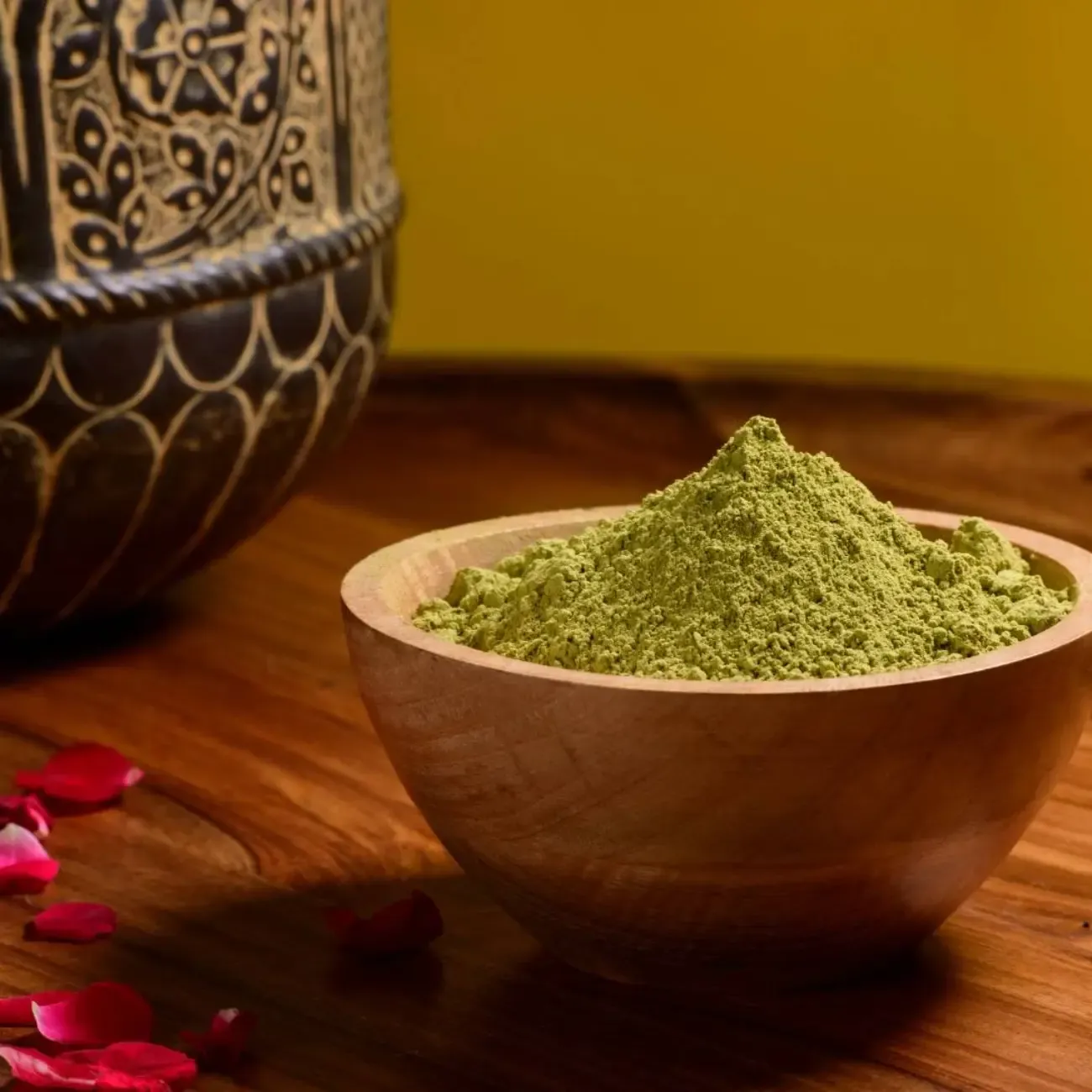


When buying natural henna powder, purity is one of the first things to consider. The quality of henna can affect how easily it mixes, how smoothly it applies, and how well it performs for hair or body art. However, identifying pure henna is not always as simple as looking at the color of the powder.
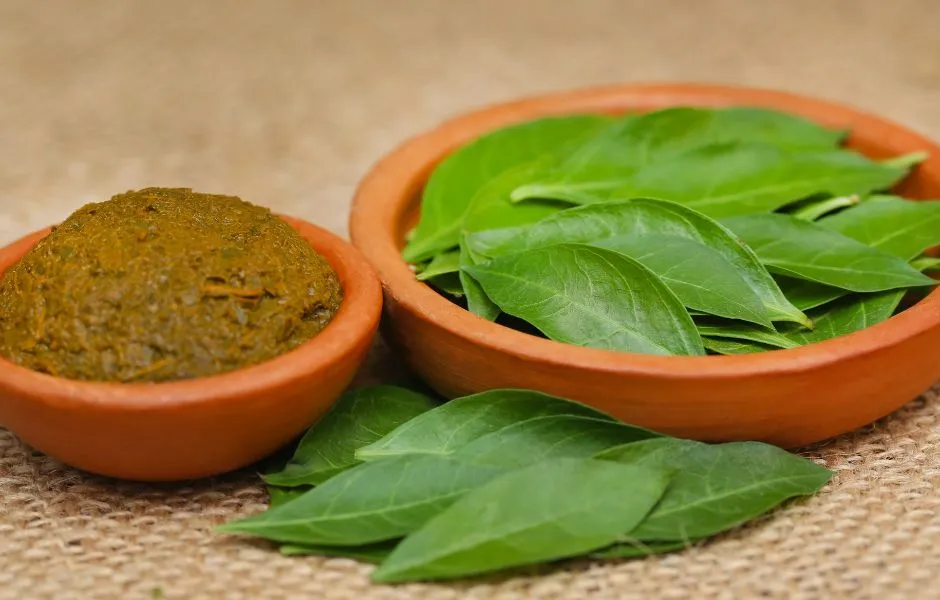
Natural henna comes from the leaves of the Lawsonia inermis plant. During processing, the leaves are dried and ground into a fine powder. Its natural characteristics can vary depending on factors such as cultivation, harvest, processing, storage, and freshness.
For buyers, especially those purchasing henna regularly or in bulk, understanding a few basic quality indicators can make product evaluation easier.
Check the Ingredient Information
The first step is to check the ingredient list or product description.
If you are specifically looking for pure natural henna, the product should clearly identify henna or Lawsonia inermis as the primary ingredient. Be cautious with products that use vague descriptions such as "instant henna" or "herbal color" without clearly explaining what they contain.
A detailed ingredient list gives buyers a better understanding of what they are purchasing. This is particularly important because products marketed as henna may sometimes contain additional ingredients intended to change the color or speed up the staining process.
For natural products, transparency about ingredients is an important quality indicator.
Look at the Powder's Texture
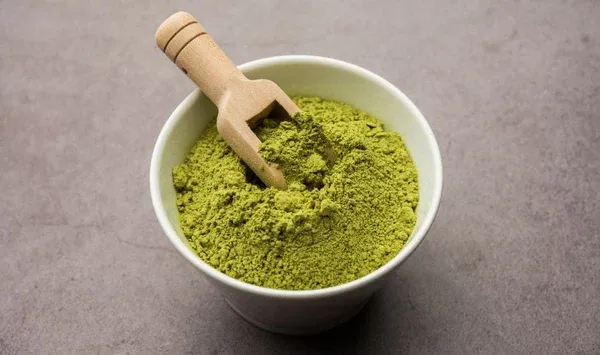
Pure henna powder is generally finely ground. A smooth and consistent texture makes it easier to mix into a paste and apply evenly.
When inspecting a sample, look for powder that appears relatively uniform rather than containing large pieces of leaves, stems, or other visible plant material.
However, texture alone cannot prove purity. A very fine powder could still contain other ingredients, so it should be considered alongside other indicators.
For users who apply henna to hair, fine powder can also make mixing easier and reduce the gritty feeling that may occur with coarser products.
Pay Attention to the Natural Aroma
Henna has a characteristic earthy, grassy, plant-like smell. The exact aroma can vary depending on the variety, freshness, and processing conditions.
A strong artificial fragrance may be worth questioning if you are specifically looking for a simple, natural henna product.
At the same time, smell should not be treated as a laboratory test. Different people may perceive the natural aroma differently, and storage conditions can also affect how a powder smells.
It is better to use aroma as one supporting observation rather than the only method of checking purity.
Consider the Powder's Color
Natural henna powder is usually found in shades ranging from green to olive or brownish-green, depending on the leaves, processing, and age of the product.
One common mistake is assuming that darker or brighter green powder automatically means higher quality. That is not necessarily true.
Powder color can change due to the plant's growing conditions, drying method, grinding process, and storage. Therefore, color can provide a useful visual clue, but it cannot confirm purity on its own.
A buyer should look at the complete product profile rather than judging quality from color alone.
Check for Unusual Additives
If the product is advertised as pure henna, buyers should pay attention to claims about additional chemicals, dyes, fragrances, or color-enhancing ingredients.
This is particularly important for products intended for hair and body art because different applications may have different ingredient requirements.
A product that changes hair or skin color very quickly may contain additional coloring ingredients. That does not automatically tell you whether the product is safe or unsafe, but it does mean that the product should not automatically be assumed to be pure henna.
Reading the label carefully is one of the simplest ways to avoid confusion.
Test How Easily It Mixes
Mixing behavior can provide another practical observation.
Good-quality fine henna powder should generally combine reasonably well with the chosen liquid, producing a workable paste when prepared correctly. Excessive grit, large particles, or persistent lumps may indicate issues with grinding or processing.
However, mixing performance can also depend on the liquid used, temperature, preparation method, and how long the mixture is allowed to rest.
For this reason, mixing is useful for evaluating usability, but it is not a scientific purity test.
Consider Freshness
Purity and freshness are different things, but both matter when evaluating henna powder.
A product can be free from unwanted additives yet lose some of its performance if it has been stored for too long or exposed to heat, moisture, air, or sunlight.
When purchasing henna, check the manufacturing or packaging date when available, along with the recommended shelf life.
Freshness becomes especially important when buyers expect consistent staining or coloring performance.
Look at the Packaging
Packaging can tell you something about how the product has been handled.
Natural henna powder should ideally be packed in a way that helps protect it from moisture, excessive air exposure, heat, and light. Damaged or poorly sealed packaging can allow environmental factors to affect the powder.
For bulk buyers, packaging becomes even more important because large quantities may remain in storage for an extended period.
Check whether the packaging is properly sealed and whether the supplier provides clear information about the batch, product, storage, and shelf life.
Ask for a Product Sample
If you are purchasing a significant quantity, asking for a sample before placing a large order can be a practical step.
A sample allows you to assess:
- Powder fineness
- Texture
- Aroma
- Appearance
- Mixing behavior
- Application experience
- Overall consistency
For businesses, testing a sample is often more useful than making a decision based only on photographs or a product description.
If the supplier offers multiple grades, ask which grade is suitable for your intended application.
Ask About Quality Control
A reliable supplier should be able to explain how the henna powder is processed and checked.
Questions you can ask include:
- Where is the henna sourced from?
- How are the leaves cleaned and dried?
- How is the powder ground and sifted?
- How is batch consistency maintained?
- What packaging is used?
- How is the finished product stored?
- Are quality checks performed before dispatch?
The answers can help buyers understand whether the supplier follows a consistent production process.
For companies purchasing in bulk, quality documentation and batch information may also be relevant depending on the destination market and intended use.
Laboratory Testing for Greater Certainty
Simple visual and sensory checks can help identify obvious quality differences, but they cannot definitively prove purity.
If purity is critical, laboratory testing provides a more reliable approach. Depending on the purpose of the testing, laboratories can analyze the product for composition, contaminants, moisture, and other relevant parameters.
This can be particularly useful for manufacturers, exporters, importers, and businesses purchasing large quantities.
Laboratory analysis should be considered when a high level of certainty is required rather than relying entirely on home-based tests.
Avoid Judging Quality by Price Alone
Price is another factor that can easily lead buyers to incorrect conclusions.
A very expensive product is not automatically pure or superior, while a lower-priced product is not automatically poor quality. Pricing can be influenced by sourcing, processing, packaging, order quantity, logistics, and other business factors.
Instead of asking only, "How much does it cost?", consider what you are getting for the price.
Ingredient transparency, freshness, processing standards, packaging, consistency, and supplier reliability provide a more useful basis for comparison.
What Buyers Should Remember
Checking henna powder purity does not have to begin with complicated testing. Start with basic indicators such as the ingredient list, powder texture, natural aroma, appearance, packaging, freshness, and supplier information.
However, none of these individual factors can conclusively prove purity. For important commercial purchases, samples, documentation, and laboratory testing provide stronger evidence.
Whether you are purchasing small quantities for personal use or sourcing products from a Henna Powder Exporter, the goal should be to understand exactly what you are buying and how consistently the product is produced.
Final Thoughts
Pure natural henna has several recognizable characteristics, but there is no single visual or sensory test that can guarantee purity. A better approach is to combine several simple quality indicators and ask the supplier clear questions about ingredients, sourcing, processing, storage, and testing.
For larger purchases, always consider requesting a sample and, where necessary, independent laboratory analysis. Taking these steps can help buyers make more informed decisions and avoid relying on assumptions such as powder color or price alone.
Most importantly, look for transparency. A supplier that clearly explains the product, its ingredients, processing methods, packaging, and quality checks gives buyers a much stronger basis for evaluating natural henna powder.























Sign in to leave a comment.