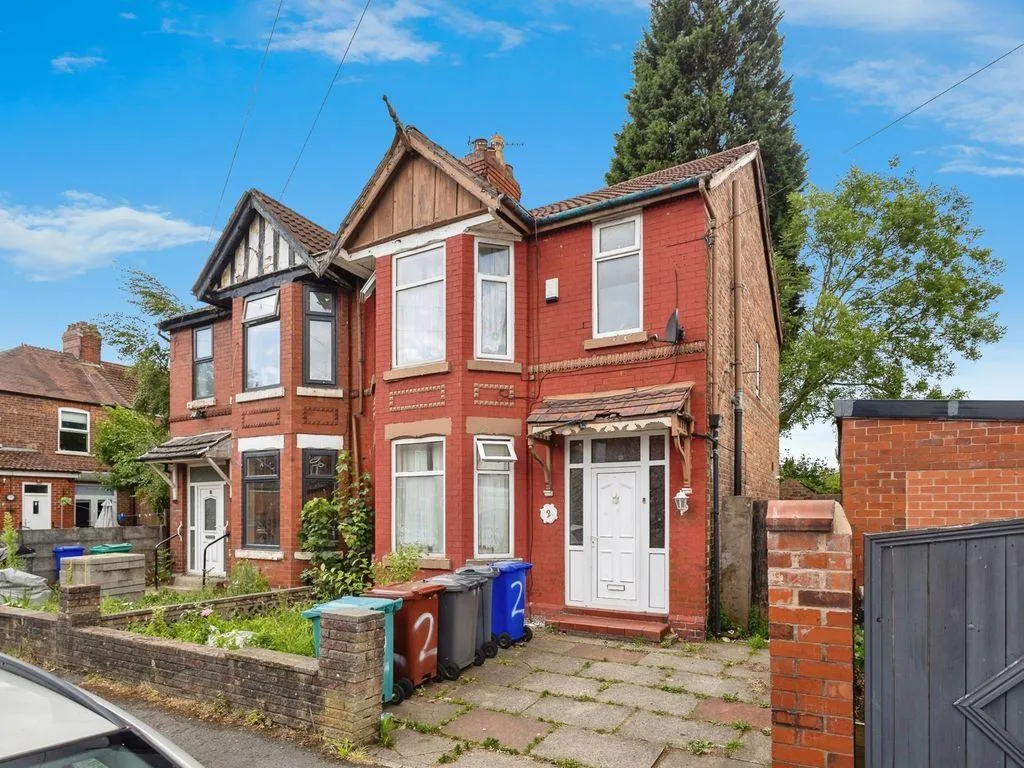

Found a property for sale that looks promising? Before booking a viewing, spend some time checking the street, the likely commute and the wider surrounding area. A listing can show your room sizes, but it can’t tell you what internal problems you might face later, like parking spaces, nearby construction chaos, or your transportation routes. The right location shapes the cost and time involved in everyday life, from getting to work and buying groceries to visiting family, dropping and picking kids up from school. It can also affect insurance costs, how much interest the property may attract from future buyers, and how comfortable the home feels once you’re settled.
Use these checks to decide whether a location deserves your offer or not.
1. Test the Real Commute
The first check is whether the commute works for you in real life. Do not rely on a map’s estimated travel time because those estimates usually reflect ideal conditions rather than the situations people really experience. Test the route at the times you would actually travel because morning and evening conditions can change the whole picture.
Check:
- A weekday morning journey, when public transport demand is usually higher.
- A weekday evening return journey, which can be slower or more crowded than the outbound trip.
- The reliability of the train, bus, tram, or tube service.
- The walking time from the station or stop to the property, especially in bad weather or after dark.
- Parking availability and local restrictions, if a car is part of the daily routine.
- Traffic around school-run hours, which can make otherwise manageable routes feel slow and unpredictable.
- Roadworks, diversions and known bottlenecks that may not appear clearly on a simple map estimate.
- A journey that takes 25 minutes on a quiet Sunday can feel unique on a wet weekday morning when delays and crowding are more likely.
- If you are relocating, use live journey planners first, then visit the area in person.

2. Check Everyday Services Nearby
The second check is whether the area is fit for an ordinary daily life. A home can sit in a popular area and still be inconvenient for day-to-day living if the services you rely on are awkward to reach. Make a list of the services you use regularly and check how easy each one is to reach from the property rather than assuming the neighbourhood will cover everything.
Look for:
- Supermarkets and local food shops. Because food shopping is one of the most frequent trips from any home.
- Pharmacies and GP surgeries
- Dentists and hospitals, especially if anyone in the household has regular appointments or may need easier access to care.
- Green spaces and play areas for daily walks, children, pets, or simply having somewhere nearby to step outside.
- Gyms, cafés, and leisure facilities, if those form part of a regular weekly routine rather than occasional visits.
- Parcel drop-off points and cash machines/ATMs.
- Petrol stations or electric vehicle charging points, depending on how the household works
- Someone working from home may value a nearby park and reliable broadband more than a short station walk
- A family may need children and a food shop within easy reach.
3. Check Transport Links That Exist Now
The third check is whether the transport links that already exist are good enough rather than relying on future promise. New station roads, cycle routes and generation projects can change, face delays, or have a different impact on the area than expected. Base the buying decision on the transport options available today:
- Current rail, tram, or tube services that already operate near the property.
- How often those services run in the morning and evening
- The timing of the last services at night for work, social life or returning home safely.
- Excellent road access for driver deliveries and visitors.
- Parking permits and visitor parking rules because they can affect both residents and guests.
- Accessibility for pushchairs and bicycles for mobility needs, so the route works for the whole household.
- Then research any plans separately through the local council, transport authority and planning websites, so possible improvements are checked.

4. Search for planned developments
Before viewing a property for sale, search the local council planning portal for the street and plots of land nearby. You may find applications for housing blocks, commercial units, extensions, roads or other changes that could affect the area.
Planned development is not always a negative. It may bring in new services, housing or public spaces. However, it may affect:
- Daylight and privacy.
- Construction noise.
- Traffic and parking.
- Views from the property.
- Local demand for schools and health services.
- The character of the street.
- You should pay attention to vacant land, car parks and low-rise buildings near the home. These sites may be more likely to change than an established residential street.
5. Check flood risk and drainage
Flood risk doesn't always mean you should say no to a property. It does mean understanding the risk, asking questions and being aware of the impact on insurance and future ownership.
Use official flood-risk services to assess exposure to:
- River flooding.
- Surface-water flooding.
- Coastal flooding, where relevant.
- Groundwater-related issues.
If possible, look out for practical signs during a viewing, such as damp patches, mould, damaged skirting boards, raised thresholds, drainage problems or unusually high external ground levels. Ask the seller or agent if the property has flooded and whether any insurance claims have been made.
Final Thoughts
PropertyZoom can help you find property for sale in the UK. It helps you shortlist homes by area and property type. Once you find a potential match, use this checklist to decide whether the location deserves a viewing and, finally, an offer.
























Sign in to leave a comment.